
Yamaha vs Club Car Golf Carts: Which Brand Fits Your Needs?
Compare Yamaha vs Club Car golf carts by performance, comfort, durability, ownership costs, and best use cases. Learn how to choose the right cart for personal, utility, fleet, or community needs, then browse and register with Jeff Martin Auctioneers.
If you are comparing Yamaha vs Club Car golf carts, the best choice usually comes down to how you plan to use the cart. Both brands have strong reputations, but they often appeal to buyers in different ways depending on terrain, comfort preference, maintenance expectations, and whether the cart will be used for personal travel, utility work, or fleet operations.
This guide breaks down the differences that matter most so you can compare models with confidence. If you are ready to shop current options, register to buy with Jeff Martin Auctioneers and start narrowing your search based on real inventory, not guesswork.
Quick comparison overview: key differences buyers notice first
Yamaha and Club Car both offer dependable golf carts, but shoppers often notice differences right away in ride feel, design, and how each brand handles long-term ownership. Yamaha is often associated with a more performance-oriented driving experience, while Club Car is frequently favored by buyers who want a smooth ride, broad model familiarity, and a strong presence in personal and fleet use.
For most shoppers, the best comparison starts with the basics: gas or electric power, passenger or utility setup, and whether the cart will stay on private property or be used in a neighborhood or community setting. If you want to see how those choices play out in live inventory, browse the current available carts and compare options side by side.
- Compare how each cart feels on pavement, gravel, hills, and mixed terrain.
- Look at the type of power source before comparing model names.
- Check the cart’s intended use first: personal, utility, fleet, or street-legal.
- Balance upfront condition against expected maintenance over time.
Performance, ride quality, and handling on different terrain
Ride quality is one of the biggest reasons buyers lean toward one brand over the other. Yamaha models are often appreciated for responsive handling and a confident feel on varied terrain, which can matter for properties with hills, rough paths, or uneven surfaces. Club Car carts are often chosen for their stable, comfortable ride and easy everyday drivability, especially in planned communities and flatter environments.
Neither brand is automatically better for every buyer. A cart that feels perfect on a paved community road may not be the best fit for a farm, campground, or commercial property. That is why practical buyers compare the cart’s suspension, tires, lift options, and overall condition instead of focusing only on the badge on the front.
Gas vs electric options, speed, range, and maintenance considerations
Both Yamaha and Club Car offer gas and electric options, and that choice can matter as much as the brand itself. Gas carts may appeal to buyers who want quick refueling and a familiar service profile, while electric carts are often preferred for quieter operation, lower emissions on-site, and simpler everyday use in communities or workplaces.
Maintenance expectations also differ by power type. Electric carts typically shift attention toward batteries, charging systems, and electrical components, while gas carts require care for fuel, engine, and related mechanical systems. If you are learning what to inspect before making an offer, our guide on what to inspect before buying a used golf cart is a useful next step.
Range, speed, and running costs are all influenced by battery age, engine condition, terrain, cargo weight, and how often the cart is used. That is why buyers should avoid relying on assumptions and instead evaluate the specific unit in front of them.
- Electric carts often suit quiet neighborhoods, campuses, and indoor-adjacent property use.
- Gas carts may be better for longer routes, heavier loads, or frequent refueling access.
- Battery condition can change the value of an electric cart significantly.
- Always compare the cart’s actual condition, not just the model year.
Durability, build quality, and long-term ownership costs
Durability is about more than brand reputation. A well-kept Yamaha or Club Car can deliver years of reliable service, while a neglected cart from either brand can become expensive quickly. Long-term ownership costs usually come down to maintenance history, parts condition, battery age, tire wear, and whether the cart has been used lightly or pushed hard in commercial settings.
Club Car is often associated with strong resale familiarity, which can help some buyers feel more confident when shopping used. Yamaha often appeals to buyers who value solid performance and practical design. In reality, the better long-term buy is usually the cart that has been maintained properly and fits the job it needs to do.
If you are comparing carts for resale value or planning to move multiple units, it helps to understand how condition influences market interest. Our article on how to price a used golf cart for sale can help sellers think more clearly about condition, demand, and presentation.
- Review service records whenever possible.
- Check for corrosion, cracked components, worn seats, and uneven tire wear.
- Battery replacement can be a major cost on older electric carts.
- A lower-mileage cart is not always better than a better-maintained higher-use unit.
Best use cases for buyers, dealers, fleets, and communities
Personal buyers often care most about comfort, reliability, and easy ownership. For that audience, either brand can be a smart choice if the cart is in good condition and configured correctly. Utility users may prioritize cargo capacity, ground clearance, and durability over cosmetic features, which can make model setup more important than brand preference.
Fleet operators and communities usually look for consistency, serviceability, and a cart that can handle repeated daily use. In those cases, the decision may come down to ease of standardization across multiple units, access to parts, and how well a model supports the route or task. Dealers and sellers, meanwhile, should think about which brand and configuration is most likely to move quickly in their market.
If you are selling used units, it helps to know what buyers are looking for before you list. See our guide on how to sell a used golf cart online for practical listing advice that can improve buyer confidence.
- Personal use: prioritize comfort, style, and simple charging or fueling.
- Utility use: prioritize cargo needs, towing, and durability.
- Fleet use: prioritize consistency, serviceability, and ease of replacement parts.
- Community use: prioritize quiet operation, safety, and neighborhood-friendly setup.
How to compare models, pricing, and condition before you buy
Model name alone does not tell the full story. Yamaha and Club Car both have multiple generations, trim levels, and powertrain setups, and two carts with the same brand badge can feel very different once you inspect them closely. Before you buy, compare the year, power source, battery age, accessories, tire condition, seat quality, and any modifications that may affect performance or value.
Pricing should always be viewed alongside condition and intended use. A clean cart with documented maintenance may justify a different value than a similar unit with visible wear or uncertain battery health. Buyers who want to avoid surprises should ask detailed questions, request photos, and confirm whether the cart needs immediate repairs or upgrades.
The easiest way to make a confident decision is to compare real inventory and register early so you can act when the right unit appears. If you are ready to take that step, use our buyer registration form to connect with Jeff Martin Auctioneers and get positioned for the carts that fit your needs.
- Compare the cart’s age, use history, and maintenance records.
- Inspect batteries, charger, tires, brakes, and steering before committing.
- Watch for aftermarket changes that may improve or reduce value.
- Think about total ownership cost, not only purchase price.
Browse and register with Jeff Martin Auctioneers to find the right golf cart
Choosing between Yamaha and Club Car golf carts becomes much easier when you can compare actual units instead of relying on general brand impressions. Jeff Martin Auctioneers gives buyers, dealers, and sellers a trusted marketplace to review inventory, evaluate condition, and move forward with confidence.
Whether you are buying one cart for personal use or sourcing several units for a fleet or property, the next step is simple: register, review current options, and reach out with questions if you need help identifying the best fit. Jeff Martin Auctioneers makes it easier to turn a brand comparison into a practical buying decision.
If you are ready to start, register now or contact Jeff Martin Auctioneers for help with your search, listing, or next purchase.
Frequently asked questions
Neither brand is automatically better. Yamaha may appeal to buyers who want a responsive feel and strong performance, while Club Car often attracts shoppers looking for a smooth ride and familiar ownership experience. The better choice depends on your terrain, budget, and how you plan to use the cart.
Next step
Register with Jeff Martin Auctioneers to compare golf carts with confidence
If you are weighing Yamaha vs Club Car golf carts, the smartest next step is to review live inventory, compare condition, and connect with a marketplace team that understands buyer, dealer, fleet, and seller needs. Jeff Martin Auctioneers helps you move from brand comparison to a real buying decision.
Register to Buy or SellKeep reading
Related articles
Club Car vs EZGO Golf Carts: Which Brand Fits Your Needs?
Compare Club Car vs EZGO golf carts across comfort, durability, powertrain options, maintenance, customization, and best-fit use cases so you can choose the right cart with confidence.
Read article
Electric vs Gas Golf Carts: Which One Is Right for You?
Compare electric vs gas golf carts by cost, maintenance, range, performance, and best-use scenarios so you can choose the right cart for personal, utility, fleet, or community needs.
Read article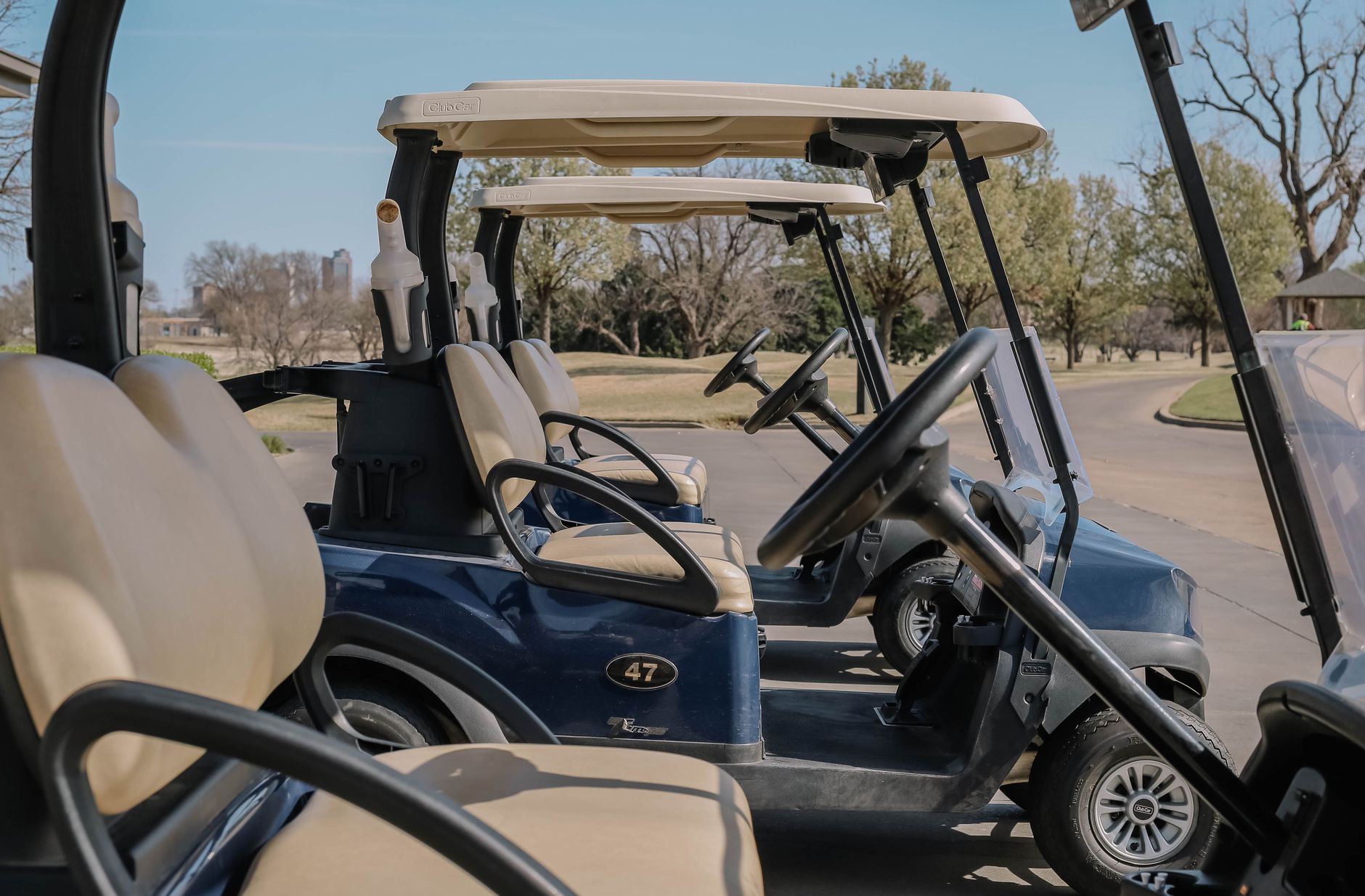
Lifted Golf Carts vs UTVs: Which Is the Better Fit?
A practical comparison of lifted golf carts vs UTVs for property work, community transport, recreation, and short-haul utility. Learn when each option makes the most sense and how Jeff Martin Auctioneers helps buyers compare inventory with confidence.
Read article
Fleet Golf Carts vs Utility Golf Carts: Which One Fits Your Needs?
Compare fleet golf carts vs utility golf carts with a practical guide to seating, cargo, terrain, ownership costs, and buying considerations for buyers, dealers, and property managers.
Read article
Electric Golf Carts vs Neighborhood Electric Vehicles (NEVs): Which Is Right for Your Needs?
Compare electric golf carts and neighborhood electric vehicles (NEVs) by speed, safety equipment, road use, comfort, cost, and ownership needs so you can choose the right fit for private property, communities, fleets, or street use.
Read article