
Fleet Golf Carts vs Utility Golf Carts: Which One Fits Your Needs?
Compare fleet golf carts vs utility golf carts with a practical guide to seating, cargo, terrain, ownership costs, and buying considerations for buyers, dealers, and property managers.
If you are comparing fleet golf carts vs utility golf carts, the right choice comes down to how the cart will be used day to day. Fleet carts are built to move people efficiently, while utility carts are built to carry tools, supplies, and heavier workloads.
For golf courses, communities, dealerships, and businesses shopping multiple carts, understanding the practical differences can save time and prevent costly mismatches. This guide breaks down the main specs, common use cases, and buying factors so you can choose with confidence.
What Fleet Golf Carts Are Designed For
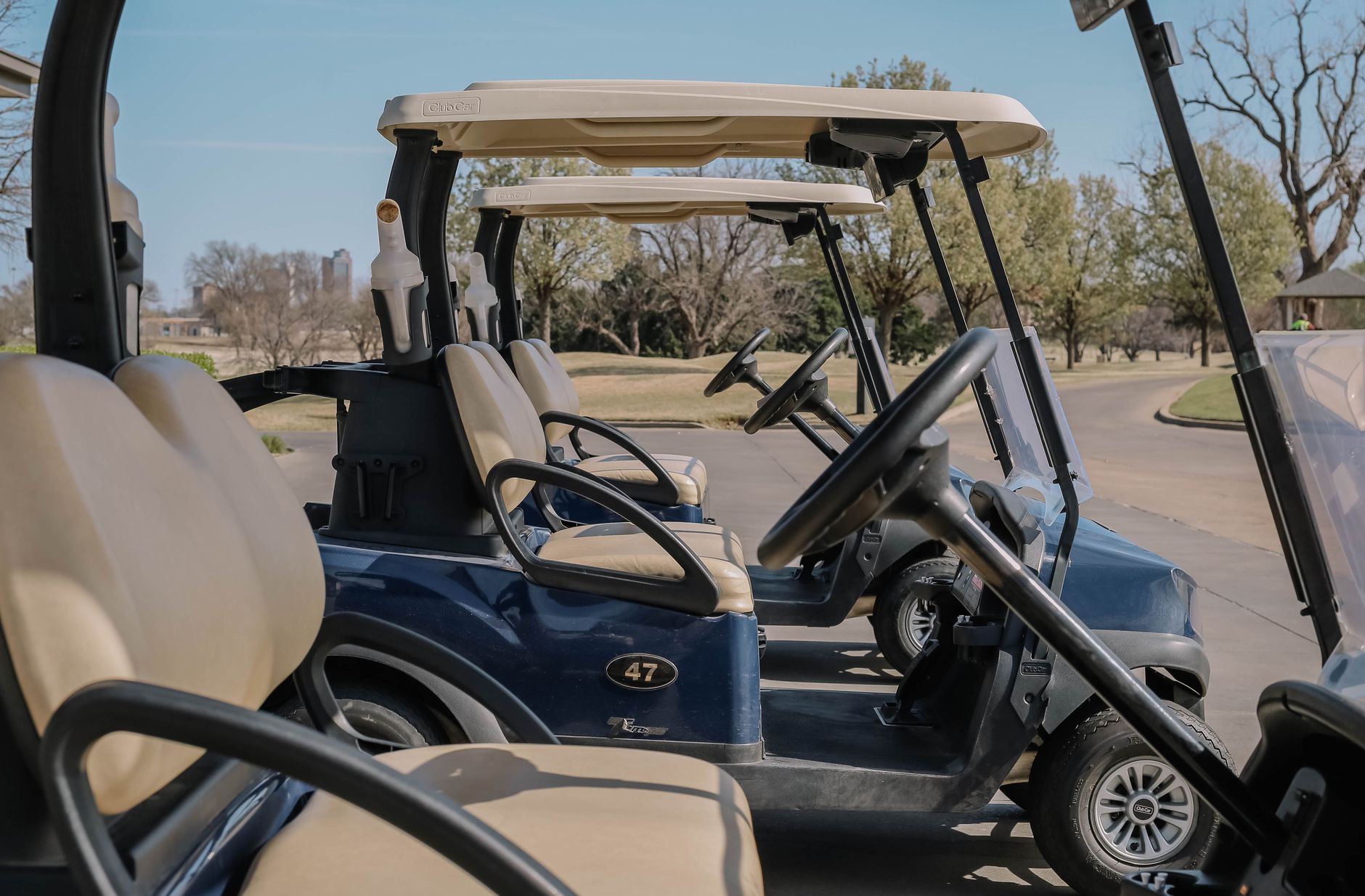
Fleet golf carts are typically built for passenger transport. You will most often see them on golf courses, in resorts, and in master-planned communities where moving people quickly and comfortably matters more than hauling cargo.
These carts usually prioritize simple seating layouts, easy entry and exit, and dependable operation over heavy-duty work features. If your main goal is shuttle-style transport or player movement between holes, a fleet setup is usually the more natural fit.
- Best for passenger transport
- Common in golf courses, resorts, and communities
- Usually focused on seating efficiency rather than cargo capacity
- Often easier to standardize across a large cart fleet
What Utility Golf Carts Are Designed For
Utility golf carts are built for work. They are commonly used by maintenance teams, campuses, warehouses, municipalities, and properties that need to move tools, parts, trash, or supplies from one area to another.
Compared with fleet carts, utility models usually offer cargo beds, rear dump beds, racks, or other work-ready additions. If the cart needs to function like a small jobsite vehicle, utility equipment is usually the better starting point.
If you are still weighing passenger-focused carts against work-focused carts, it can help to review related buying factors such as battery setup and charging style. Our guide on lithium vs lead acid batteries for golf carts is a useful next step for comparing ownership and maintenance tradeoffs.
- Best for maintenance and light-duty transport tasks
- Often includes cargo beds or work accessories
- Useful for campuses, parks, industrial sites, and municipalities
- Better suited to hauling supplies than carrying passengers
Fleet Golf Carts vs Utility Golf Carts: Key Differences That Matter
The biggest difference is purpose. Fleet carts are optimized for people, while utility carts are optimized for work. That sounds simple, but it affects seating, storage, power needs, and the kind of wear the cart is likely to see over time.
Before you buy, think about the route the cart will run, the weight it needs to carry, and how often it will be used. A cart that looks like a bargain can become expensive if it is not matched to the job.
For buyers ready to compare available inventory, it helps to browse current golf cart listings and narrow the search by intended use rather than appearance alone.
Passenger capacity, cargo space, and seating layout
Fleet golf carts usually give you more seating efficiency. Standard two- or four-passenger layouts make it easier to move groups without sacrificing stability or visibility. Utility carts trade some of that seating flexibility for beds, racks, and cargo carrying options.
If your operation needs to transport people and gear at the same time, pay close attention to how the cart is configured. A small rear cargo area can be enough for light supplies, but a true utility cart is better when tools, parts, or cleaning equipment are part of the daily routine.
Buyer needs can also vary by family or guest transport. For a broader passenger-focused comparison, see our guide to the best golf carts for large families.
- Fleet: more focused on passenger seating
- Utility: more focused on cargo and work support
- Layout affects comfort, stability, and daily efficiency
- Mixed-use buyers should estimate both people and payload needs
Power, range, and terrain performance
Neither category is automatically better on power or range. The right setup depends on battery condition, motor configuration, load weight, tire choice, and the type of terrain the cart will face. A lightly used fleet cart on flat ground may perform very differently from a utility cart carrying tools across hills or rough pavement.
Utility carts often need stronger traction and more robust components because they are asked to do more work. Fleet carts may feel smoother and simpler to drive, especially in controlled environments like golf properties and residential communities.
If your cart will be lifted, heavily loaded, or used off paved paths, think carefully before chasing looks alone. Lift and tire changes can affect handling and efficiency, which is why it is worth reading whether lifted golf carts are worth buying before you commit.
- Terrain and load matter as much as cart category
- Battery health can influence usable range
- Heavy loads can reduce performance on both types
- Tire and suspension choices change ride quality and handling
Which Option Is Better for Courses, Communities, and Businesses?
Golf courses usually lean toward fleet carts because they need reliable passenger transport at scale. Communities often choose fleet carts too, especially when the goal is short-distance mobility for residents and guests.
Businesses, campuses, parks, and maintenance teams often get more value from utility carts because the work demands are broader. If the cart must handle supplies, tools, maintenance runs, or light hauling, utility models usually deliver a better return.
The most important question is not which cart is more popular. It is which cart can do the job with fewer compromises. If you are buying for a group or managing replacement cycles, use a clear list of route needs, payload, charging access, and storage space before comparing listings.
For inventory questions or help matching the right cart type to your use case, you can also reach out through the contact form and ask about current options.
- Courses: usually fleet carts
- Communities: often fleet carts, sometimes utility carts for maintenance
- Businesses and campuses: often utility carts
- Mixed-use properties may need both types in the same fleet
What to Check Before Buying a Used Fleet or Utility Cart
Used carts can be a smart buy, but only if you inspect them with the job in mind. Start with the frame, tires, steering, brakes, batteries or fuel system, and signs of uneven wear. Then confirm whether the cart’s current setup matches your intended use.
Pay close attention to the cargo area on utility carts and the seating condition on fleet carts. A cart that has been modified for a past owner’s needs may require changes before it works for yours, and those changes can add to the true cost of ownership.
It is also smart to compare service history, charger compatibility, and any added accessories. If you are buying multiple carts for a property or business, consistency matters just as much as condition. Standardizing the fleet can make maintenance and parts support much simpler.
If you are ready to register and look for current inventory, use buyer registration to connect with Jeff Martin Auctioneers and get access to opportunities that fit your needs.
- Check frame, tires, steering, and brakes
- Inspect batteries, charging gear, or fuel system
- Confirm seating or cargo setup matches your use case
- Ask about service history and modifications
- Consider how easy the cart will be to maintain as part of a larger fleet
Browse Available Golf Carts and Register to Buy with Jeff Martin Auctioneers
Once you know whether fleet or utility is the better fit, the next step is finding inventory that matches your budget, quantity needs, and operating conditions. That is especially important when you are buying for a business, community, or multi-cart replacement plan.
Jeff Martin Auctioneers helps buyers and sellers connect through a trusted marketplace built to make golf cart buying clearer and more efficient. Registering early gives you a faster path to current listings, inquiry support, and purchase opportunities when the right carts become available.
If you are comparing multiple units or planning a fleet purchase, start with the basics: intended use, passenger or cargo needs, terrain, and maintenance expectations. Then register with Jeff Martin Auctioneers so you are ready to act when inventory matches your checklist.
Frequently asked questions
No. Fleet golf carts are mainly designed for transporting people, while utility golf carts are designed for hauling tools, supplies, and other work-related cargo.
Next step
Find the Right Cart with Jeff Martin Auctioneers
If you are comparing fleet golf carts vs utility golf carts for a course, community, or business, register now to connect with Jeff Martin Auctioneers and review current inventory opportunities.
Register to BuyKeep reading
Related articles
Lifted Golf Carts vs UTVs: Which Is the Better Fit?
A practical comparison of lifted golf carts vs UTVs for property work, community transport, recreation, and short-haul utility. Learn when each option makes the most sense and how Jeff Martin Auctioneers helps buyers compare inventory with confidence.
Read article
Lithium vs Lead Acid Batteries for Golf Carts: What Buyers Should Know
A practical guide to lithium vs lead acid batteries in golf carts, covering cost, charging, maintenance, weight, lifespan, and which battery type fits personal, utility, fleet, and street-legal carts.
Read article
Electric vs Gas Golf Cart for Neighborhoods
A practical neighborhood cart comparison for buyers choosing between electric and gas golf carts for residential streets, HOA communities, and street-legal local travel.
Read article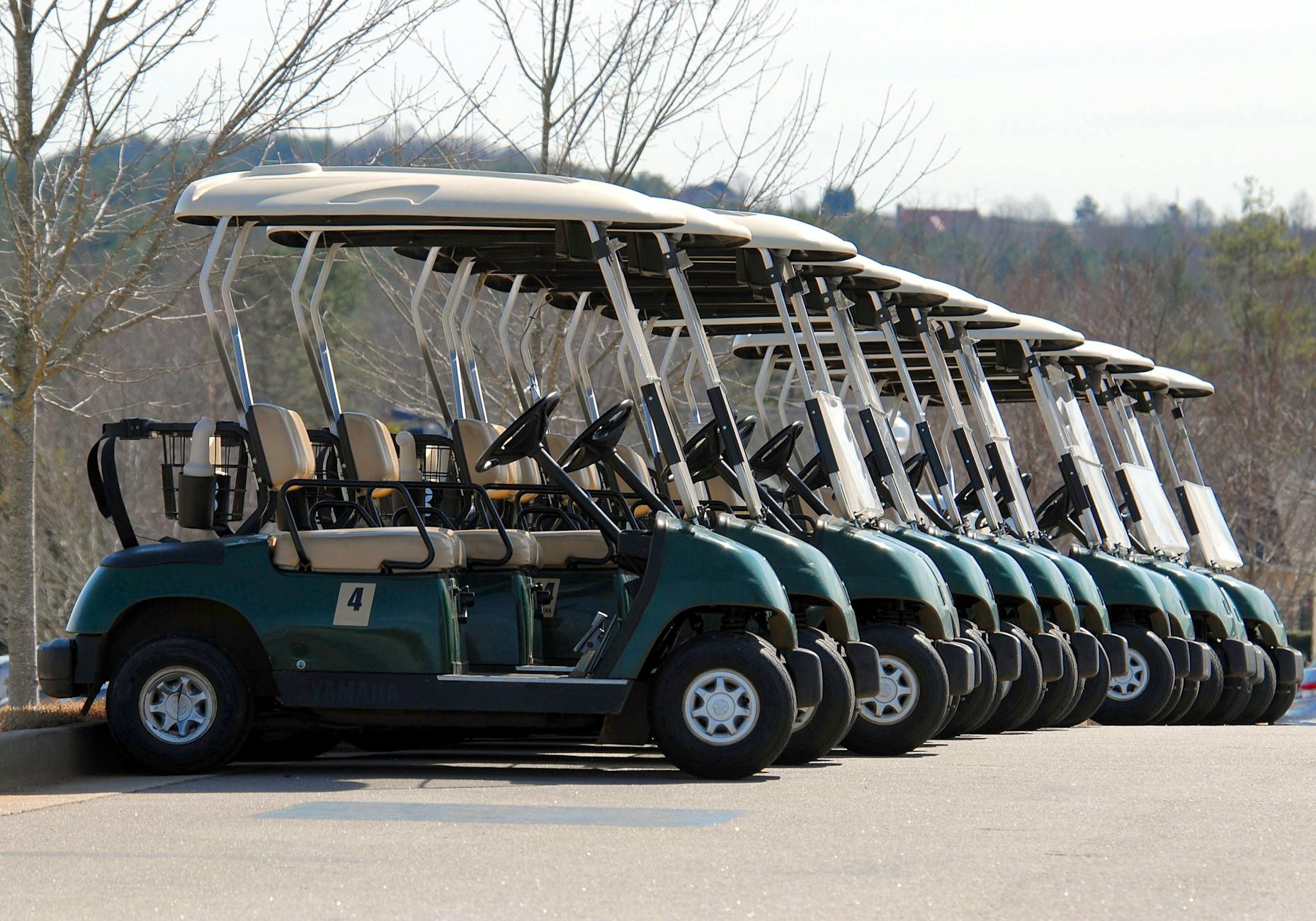
Club Car vs EZGO Golf Cart: Which Brand Is Right for You?
Compare Club Car vs EZGO golf carts across build quality, ride comfort, maintenance, parts, resale value, and best-use scenarios so you can choose the right cart with confidence.
Read articleCommercial Utility Golf Carts: What They Are and How to Choose the Right One
A practical buyer’s guide to commercial utility golf carts, including common uses, key features to compare, and what to inspect before you buy new or used equipment.
Read article