
Club Car vs EZGO Golf Carts: Which Brand Fits Your Needs?
Compare Club Car vs EZGO golf carts across comfort, durability, powertrain options, maintenance, customization, and best-fit use cases so you can choose the right cart with confidence.
If you’re comparing Club Car vs EZGO golf carts, the right choice usually comes down to how you plan to use the cart. Both brands are well known in the market, but they can feel different in ride quality, upkeep, and long-term fit for homes, fleets, communities, and businesses.
This guide breaks down the practical differences so you can narrow your search faster. If you want help finding available units, Jeff Martin Auctioneers and JMA Golf Carts make it easy to compare options, review listings, and move toward a purchase or sale with more confidence.
Club Car vs EZGO at a Glance
Club Car and EZGO are both major names in golf carts, and each has strengths that appeal to different buyers. In simple terms, Club Car is often associated with a more refined ride and a reputation for solid build quality, while EZGO is frequently valued for straightforward design, broad parts support, and options that can be attractive for different budgets and applications.
That does not mean one brand is always better. The better choice depends on whether you need a personal cart for a neighborhood, a fleet unit for repeated daily use, or a utility cart that needs to handle hauling and frequent stop-and-go operation. If you are still gathering options, it can help to review the key points for buying a used golf cart before you compare brands line by line.
- Club Car: often favored for comfort and a polished driving feel
- EZGO: often favored for practical ownership and wide model variety
- Both brands can work for personal, commercial, and community use
- Condition, maintenance history, and intended use matter as much as the badge on the body
Performance, Ride Feel, and Durability Differences
Ride feel is one of the first things buyers notice when comparing these brands. Club Car models are often described as more stable or smooth over mixed surfaces, while EZGO carts may feel more utilitarian depending on the model and setup. That makes the difference important for neighborhoods with hills, rough pavement, cart paths, or frequent passenger loads.
Durability is less about a single brand claim and more about how the cart was used and serviced. A well-maintained EZGO can outlast a neglected Club Car, and vice versa. When reviewing listings, focus on frame condition, steering response, braking, and visible wear on suspension and drivetrain components. For sellers preparing a cart for market, our guide on how to list a used golf cart online can also help set expectations before you request offers.
- Check steering tightness and test braking before comparing features
- Look for battery tray corrosion on electric carts
- Inspect tires, seats, and body condition for signs of heavy use
- Review service records when available, especially for fleet units
Suspension, handling, and terrain use
Suspension and handling matter most when the cart will see more than smooth fairway driving. For buyers in communities, resort settings, campuses, or large properties, a cart that handles curb transitions and uneven pavement can be more valuable than one with the flashiest accessories. Club Car is often preferred by buyers who want a composed feel, while EZGO can be appealing when the goal is practical transport with straightforward serviceability.
If you are comparing models for property use or fleet deployment, think beyond top speed. Ask how the cart handles loaded passengers, turning radius, and daily use over long routes. Utility buyers often benefit from a cart that is easy to inspect and maintain, especially when multiple units are being deployed across a site.
Electric vs gas options and maintenance considerations
Both brands offer electric and gas-powered carts in different model lines, and the better option depends on your operating environment. Electric carts can be a strong fit for neighborhoods, campuses, indoor facilities, and community use where quiet operation and simpler day-to-day driving are priorities. Gas carts may be better for longer routes, heavier use, or applications where quick refueling is more convenient than battery charging.
Maintenance expectations are also different. Electric carts require attention to batteries, cables, chargers, and electrical connections. Gas carts introduce engine, fuel, and exhaust-related service points. Buyers should decide which maintenance profile fits their team, budget, and usage pattern. If you are checking a unit’s condition in detail, the used golf cart inspection checklist is a useful next step before you commit.
In either case, the most important questions are not just what the cart is, but how it has been maintained and whether replacement parts are readily available for the model you are considering.
- Electric: quieter, simpler to operate, battery care required
- Gas: convenient refueling, more mechanical service points
- Usage patterns should drive the choice more than brand preference alone
- Maintenance history is a major indicator of future ownership costs
Best Use Cases for Buyers, Fleets, and Communities
For personal buyers, the decision often comes down to comfort, appearance, and how often the cart will be used. If the cart will mainly move one or two people around a neighborhood or property, either brand may work well if the model is in good condition. Club Car can be a stronger fit for shoppers focused on ride quality, while EZGO may appeal to buyers who want a practical platform with many configuration options.
For businesses, HOAs, campuses, resorts, and other fleet operators, the bigger question is consistency and uptime. A fleet cart should be easy to service, predictable to operate, and suitable for the property’s terrain and schedule. For utility use, buyers should pay close attention to cargo capacity, accessory compatibility, and ease of inspection. If you are ready to source available carts, you can explore current cart inventory and narrow in on the units that match your use case.
For sellers and dealers, the market can vary based on condition, model year, powertrain, and included upgrades. Knowing your buyer category helps you position the cart correctly before listing or auction time.
- Personal buyers: prioritize comfort, appearance, and easy ownership
- Fleet buyers: prioritize consistency, serviceability, and uptime
- Utility buyers: prioritize cargo needs, route length, and accessories
- Community buyers: prioritize quiet operation, fit, and long-term maintenance
How to Compare Used Club Car and EZGO Models Before You Buy
When you compare used Club Car and EZGO golf carts, start with condition rather than brand reputation. Look closely at the frame, batteries or engine, charger compatibility, tires, steering, and brakes. A clean-looking cart can still hide costly repairs, so it pays to inspect the details and ask direct questions about service history and replacement parts.
Next, think about the cart’s real-world use. A personal cart for short neighborhood trips does not need the same setup as a cart that will move staff, tools, or guests every day. If you are not sure how to evaluate the listing, our buyer-focused guide on what to look for when buying a used golf cart can help you sort the essentials from the extras.
Finally, compare total ownership fit. That includes charging access, fuel availability, storage space, repair support, and whether the cart already includes accessories you would otherwise need to add later. A lower upfront price is not always the better deal if the cart needs immediate work.
- Inspect drivetrain, steering, and braking first
- Ask for maintenance records and battery age when available
- Check whether needed accessories are already included
- Choose the cart that fits your route, load, and service capability
Where to Find the Right Cart Through JMA Golf Carts
The easiest way to compare Club Car vs EZGO golf carts is to look at real inventory side by side and evaluate the carts that are actually available. That is where JMA Golf Carts and Jeff Martin Auctioneers can help buyers, sellers, dealers, and fleet managers move from research to action without guesswork.
If you are ready to buy, register your interest so Jeff Martin Auctioneers can connect you with current opportunities and relevant listings. If you have a cart to move, or if you need help identifying the right vehicle for your property or operation, you can also reach out for next steps and get the conversation started with the trusted marketplace team behind the site.
For buyers who want a practical comparison process, the key is simple: define your use case, inspect condition carefully, and work from available inventory rather than assumptions. That approach makes it easier to find the right cart faster and reduce avoidable surprises after purchase.
Frequently asked questions
Neither brand is automatically better for every buyer. Club Car is often chosen for ride comfort and a polished feel, while EZGO is often appreciated for practical design and wide application fit. The best choice depends on how and where you plan to use the cart.
Next step
Compare Available Golf Carts with Jeff Martin Auctioneers
Ready to move from research to action? Register with Jeff Martin Auctioneers to review available Club Car and EZGO golf carts, ask about current inventory, and find the right fit for your home, business, fleet, or community.
Register as a BuyerKeep reading
Related articles

Electric vs Gas Golf Carts: Which One Is Right for You?
Compare electric vs gas golf carts by cost, maintenance, range, performance, and best-use scenarios so you can choose the right cart for personal, utility, fleet, or community needs.
Read article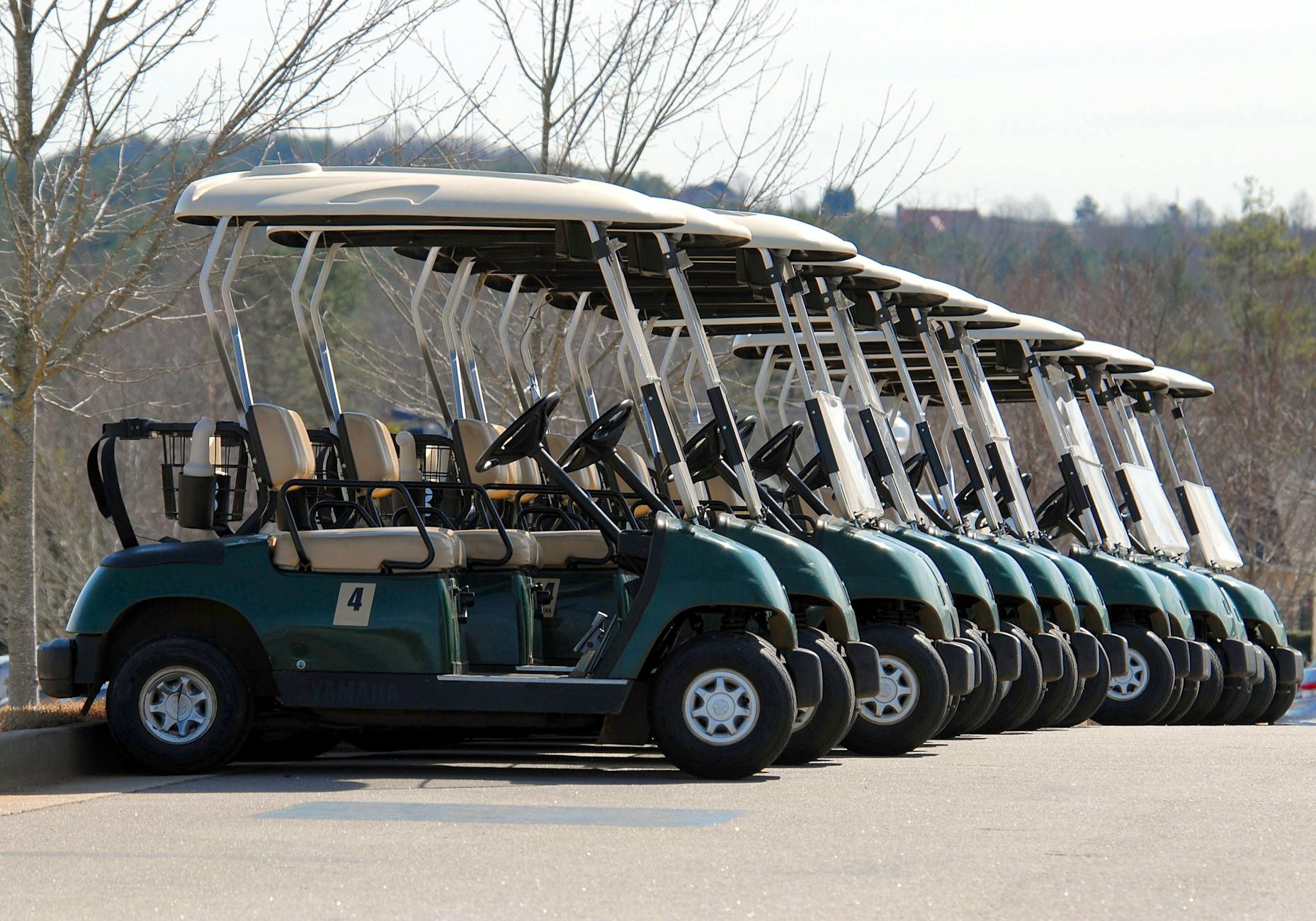
Club Car vs EZGO Golf Cart: Which Brand Is Right for You?
Compare Club Car vs EZGO golf carts across build quality, ride comfort, maintenance, parts, resale value, and best-use scenarios so you can choose the right cart with confidence.
Read article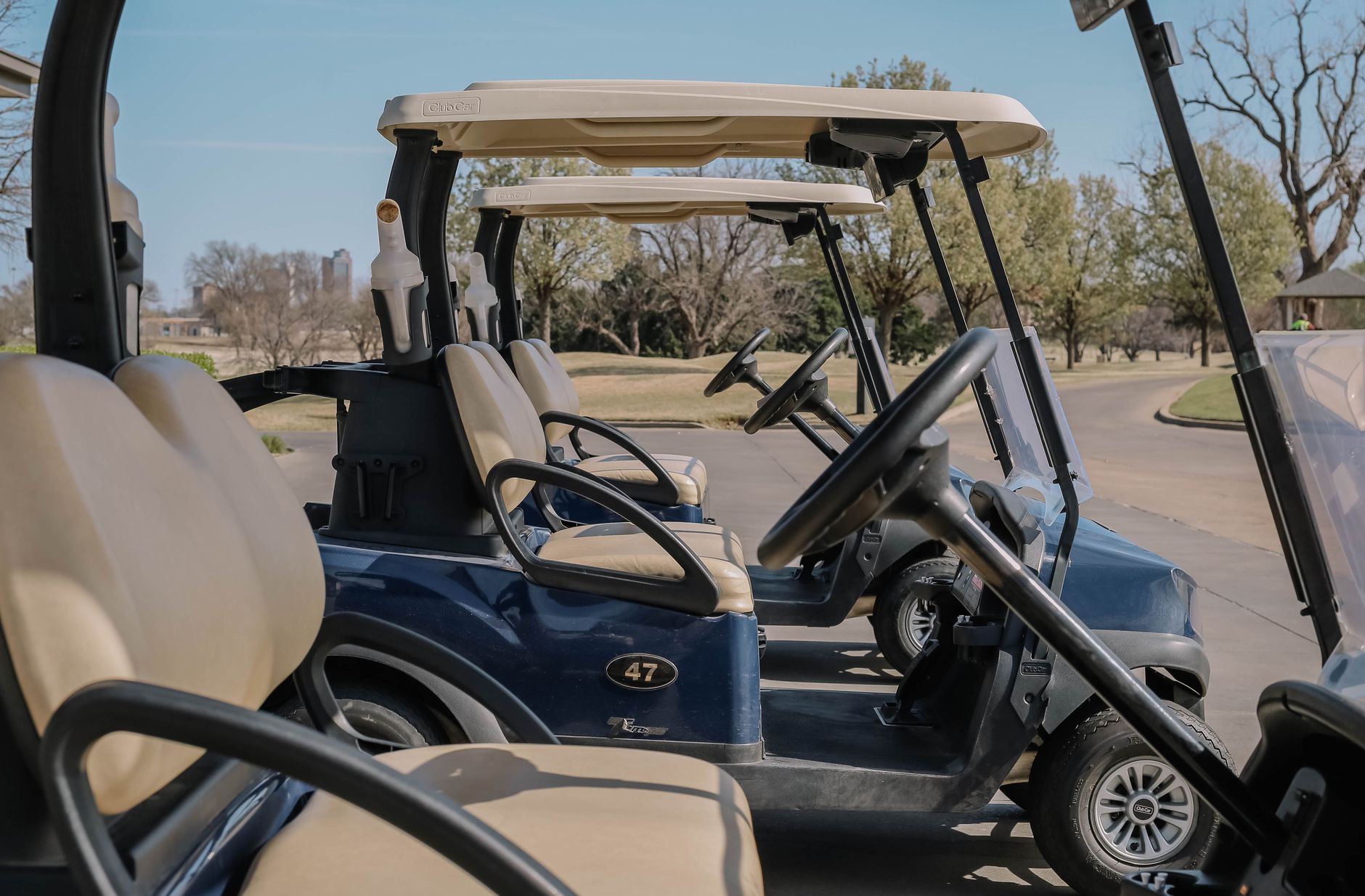
Lifted Golf Carts vs UTVs: Which Is the Better Fit?
A practical comparison of lifted golf carts vs UTVs for property work, community transport, recreation, and short-haul utility. Learn when each option makes the most sense and how Jeff Martin Auctioneers helps buyers compare inventory with confidence.
Read article
Fleet Golf Carts vs Utility Golf Carts: Which One Fits Your Needs?
Compare fleet golf carts vs utility golf carts with a practical guide to seating, cargo, terrain, ownership costs, and buying considerations for buyers, dealers, and property managers.
Read article
Electric Golf Carts vs Neighborhood Electric Vehicles (NEVs): Which Is Right for Your Needs?
Compare electric golf carts and neighborhood electric vehicles (NEVs) by speed, safety equipment, road use, comfort, cost, and ownership needs so you can choose the right fit for private property, communities, fleets, or street use.
Read article