
How to Price a Used Golf Cart for Sale
Learn how to price a used golf cart for sale with a simple framework that considers brand, age, condition, upgrades, and local demand. Use this guide to set a fair asking price and decide whether to sell faster or hold out for more value.
If you are trying to figure out how to price a used golf cart for sale, the goal is not to guess. It is to find a fair market number that reflects the cart’s condition, features, and demand in your area.
The right price can help you sell sooner, attract better buyers, and avoid leaving money on the table. Below is a practical way to estimate used golf cart pricing and decide whether to price for speed or for maximum return.
What determines used golf cart pricing?
Used golf cart pricing depends on more than age alone. Buyers compare brand reputation, power type, condition, and feature set before deciding what a cart is worth to them.
A clean gas or electric cart from a well-known brand may hold value better than a newer cart with weak batteries, worn tires, or obvious maintenance issues. Local demand also matters. A neighborhood with strong golf cart use may support stronger pricing than an area where carts are less common.
- Brand and model
- Year and power type
- Battery or engine condition
- Tire, body, seat, and charger condition
- Upgrades and street-legal equipment
- Local demand and seasonality
Start with the cart’s basics: brand, model, year, and power type
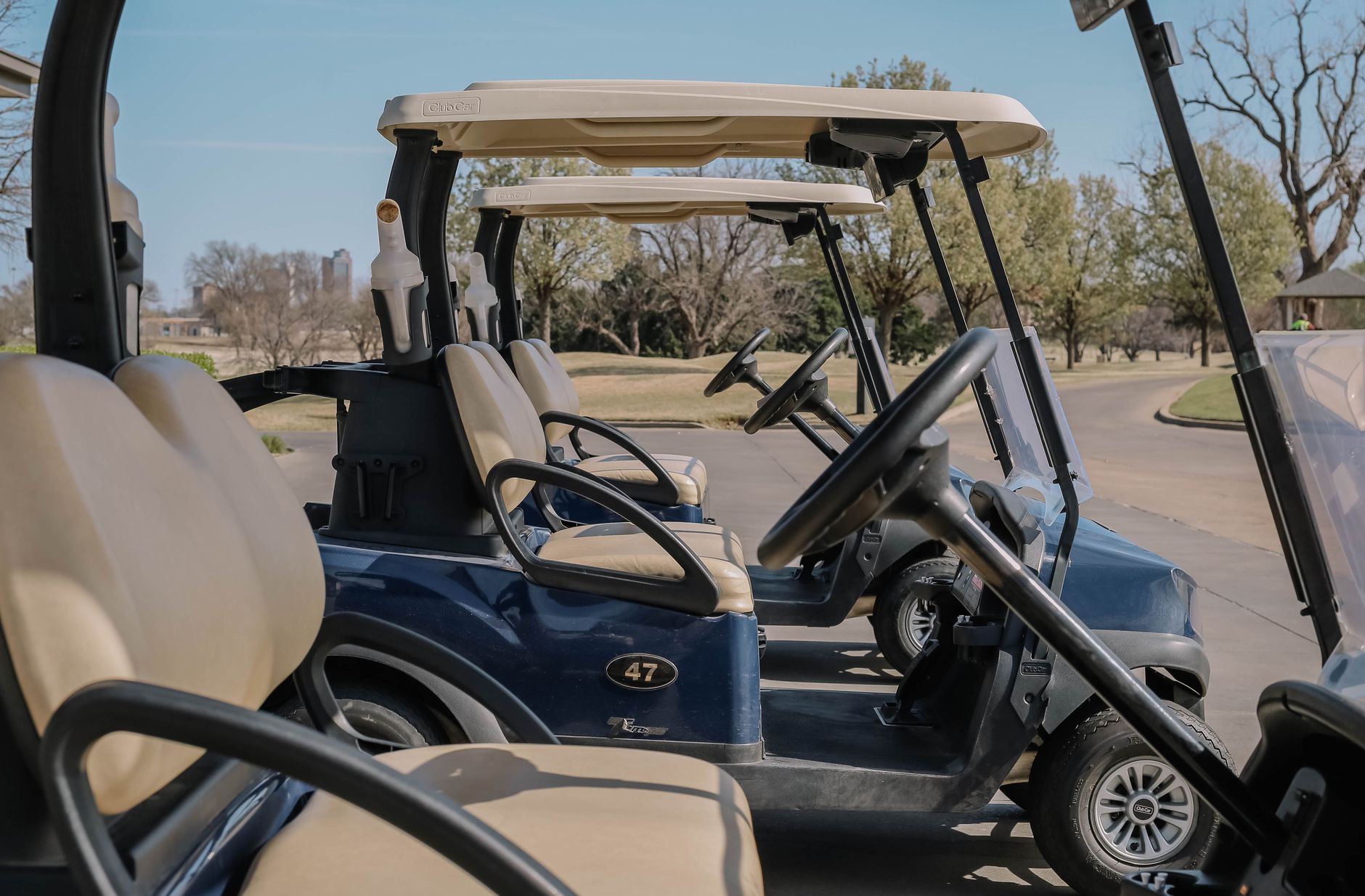
The first step in figuring out how much is my golf cart worth is identifying the basics clearly. Brand and model can affect resale value because buyers often recognize certain names, parts availability, and support options.
Year matters too, but it should be viewed alongside condition. A newer cart is not automatically worth more if it has heavy wear. Power type also changes buyer interest. Electric carts are often attractive for quiet neighborhood use, while gas carts may appeal to buyers who want longer run time and easy refueling.
Check condition: batteries, tires, body, seat, charger, and maintenance history

Condition is one of the biggest drivers of golf cart resale value. Buyers want to know what they are inheriting, especially when a cart may need repairs soon after purchase.
For electric carts, battery health is a major pricing factor. Weak or aging batteries can reduce value quickly because replacement can be a significant expense. For gas carts, engine performance, starting reliability, and maintenance history carry more weight. In both cases, visible wear on the body, seat, tires, and charger can change how buyers judge the cart.
- Batteries should be tested and disclosed honestly
- Tires with good tread usually support stronger pricing
- Cracked body panels or torn seats can lower value
- A working charger adds confidence for electric cart buyers
- Service records can support a higher asking price
Factor in upgrades and street-legal features that raise resale value
Upgrades can help a cart stand out, but not every add-on adds equal value. A lifted cart, custom wheels, upgraded lights, rear seat kit, windshield, enclosure, or better sound system may improve buyer interest if the features are practical and well installed.
Street-legal features can also increase value in the right market. Turn signals, mirrors, seat belts, headlights, brake lights, and other road-ready equipment may matter to buyers who plan to use the cart in a community or around a property where those features are required or preferred.
- Rear seat kits
- Lift kits and custom wheels
- Lighting packages
- Windshields and enclosures
- Turn signals, mirrors, and seat belts
- Fleet or utility attachments
Compare similar golf carts to estimate fair market value
A smart way to price golf cart to sell is to compare similar carts in the market. Look for listings that match your brand, power type, age range, condition, and major features as closely as possible.
Use those comparisons to identify a realistic range instead of a single number. If your cart is cleaner or better equipped than similar listings, you may justify the top of the range. If it needs work, a lower price may help it move faster. This is the most practical way to estimate fair market value without overthinking it.
How to price a golf cart to sell faster vs. maximize return
Your goal should determine your price. If you want a quick sale, price toward the lower end of the fair market range and make the listing easy to understand. Clear photos, honest details, and a reasonable price can draw stronger buyer interest.
If you want to maximize return, give yourself room for negotiation and support the price with details that add confidence. Mention recent maintenance, upgrades, street-legal equipment, and anything that reduces risk for the buyer. That said, pricing too high can slow the listing and make buyers ignore it.
- Price low end if speed matters most
- Price mid-range if you want flexibility
- Price high end only when condition and features support it
- Be ready to adjust if the listing sits too long
Common pricing mistakes sellers make
One of the most common mistakes is assuming every upgrade adds full dollar-for-dollar value. In reality, some add-ons help the cart sell faster without increasing the price by the amount they cost to install.
Another mistake is pricing based on emotion rather than market evidence. Sellers sometimes anchor to what they originally paid or what they spent on repairs. Buyers, however, care about current condition and current alternatives. Overpricing can also hurt trust if the listing lacks clear photos or detailed information.
- Pricing based on replacement cost instead of resale value
- Ignoring battery or tire wear
- Overvaluing cosmetic upgrades
- Comparing against brand-new carts
- Leaving out important condition details
Where to get help listing your cart with Jeff Martin Auctioneers
If you are still asking how much is my golf cart worth, the fastest path is often to work with a trusted marketplace that understands seller demand and buyer expectations. Jeff Martin Auctioneers helps sellers present carts clearly, reach qualified buyers, and move listings with more confidence.
At JMA Golf Carts, the goal is to make selling simple and transparent. If you are ready to list, register your cart and connect with Jeff Martin Auctioneers for marketplace exposure and seller support. A strong listing starts with the right price, the right details, and the right audience.
Frequently asked questions
If your cart gets little interest, few inquiries, or no comparable offers, the price may be too high for the market. Check similar listings, review your cart’s condition honestly, and consider adjusting the price if the listing has been sitting without traction.
Next step
Get help pricing and listing your golf cart
If you want a clearer read on used golf cart pricing, register your cart and connect with Jeff Martin Auctioneers. Our marketplace approach helps sellers price with confidence, reach the right buyers, and move forward with a trusted contact brand behind the listing.
Register Your Cart