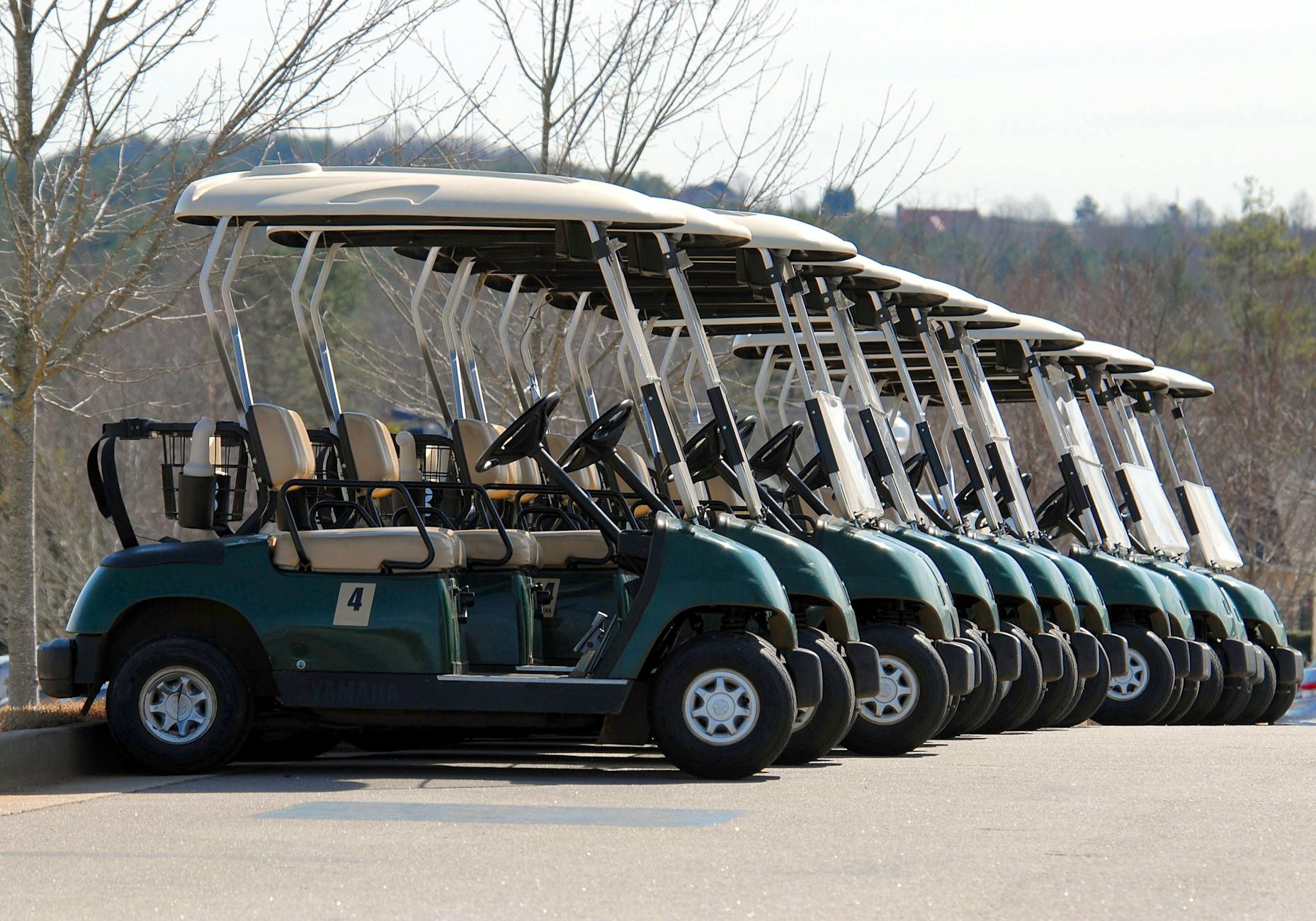
Lifted Vs Non Lifted Golf Carts: Which Is Right for Your Needs?
Compare lifted vs non lifted golf carts by terrain, comfort, clearance, handling, cost, and maintenance so buyers can choose the right cart with confidence.
Choosing between lifted vs non lifted golf carts comes down to how the cart will actually be used. The right fit depends on terrain, passenger needs, storage space, loading, maintenance tolerance, and total ownership cost.
If you are comparing listings for personal, commercial, or fleet use, Jeff Martin Auctioneers helps buyers and sellers evaluate carts in a practical marketplace setting. Start by looking at how each setup affects ride height, stability, and day-to-day performance.
What Each Type Means and How They Differ
A lifted golf cart sits higher than stock, usually with a suspension lift or larger tires that raise the frame and increase ground clearance. A non-lifted cart stays closer to factory height and typically offers a lower center of gravity and a more predictable ride on paved surfaces.
That height difference affects more than appearance. It changes clearance, handling, entry and exit, tire choices, and sometimes the cart's speed potential and load behavior. For buyers comparing options, it helps to think in terms of use case first and style second.
- Lifted carts: higher ride height, more clearance, more off-pavement flexibility
- Non-lifted carts: lower stance, easier entry, steadier handling on smooth surfaces
- Best choice depends on terrain, cargo needs, passenger comfort, and budget
Lifted Golf Carts: Best Uses, Benefits, and Tradeoffs
Lifted golf carts are often chosen for rougher ground, curb crossing, uneven property access, hunting paths, farms, large lots, and light utility work where clearance matters. The added height can help the cart clear obstacles that would slow down a stock-height model.
They also have a more aggressive look, which matters to many buyers. But the tradeoff is usually a firmer ride, more body sway in turns, and potentially higher wear on suspension parts, steering components, and tires. If you want a better feel for how lifted carts compare across brands and builds, our brand comparison guide can help frame those differences.
Lifted models can also place extra demand on the cart under load. Larger tires and changes to gearing or suspension can affect acceleration, braking feel, and battery workload, especially when carrying passengers or cargo over hilly ground.
Non-Lifted Golf Carts: Best Uses, Benefits, and Tradeoffs
Non-lifted golf carts are usually the better choice for golf courses, neighborhoods, campuses, retirement communities, resorts, and other smooth-surface environments. Their lower stance makes them easier to get in and out of, and the ride is often calmer for everyday transport.
Because the cart stays closer to stock height, it usually handles predictably and places less stress on tires and suspension components. That can be helpful for buyers watching service costs or managing multiple carts in a fleet. If you're still weighing used inventory, our used cart inspection guide is a good next read before you commit.
Non-lifted carts can still be very capable for light hauling and property use, but they are not the best option when clearance, rocky surfaces, or deep ruts are part of the job.
- Easier entry and exit for passengers of different ages
- More stable feel on pavement and maintained paths
- Typically simpler to maintain and outfit for standard use
Side-by-Side Comparison of Comfort, Clearance, Handling, and Cost
When you compare lifted vs non lifted golf carts side by side, the biggest differences usually show up in ride quality, clearance, and total cost of ownership. Lifted carts can be more capable on uneven terrain, but they often trade some comfort and efficiency for that capability. Non-lifted carts tend to be better for controlled environments and lower operating friction.
Comfort is also tied to loading and use patterns. A lifted cart with larger tires may feel more rugged, while a non-lifted cart may feel smoother and more accessible for frequent stops. If you are evaluating multiple units at once, explore current options through available cart listings and compare the setup that best matches your route, terrain, and passenger needs.
Important comparison points often include:
- Ground clearance and underbody protection
- Turning stability and body roll
- Tire wear and replacement frequency
- Battery strain or fuel demand under load
- Insurance, maintenance, and upgrade costs
- Ease of mounting accessories such as roofs, cargo boxes, and enclosures
Which Cart Fits Common Buyer Scenarios?
The right answer depends on how the cart will be used, who will drive it, and how often it will be loaded or moved. Buyers should compare terrain, distance, passenger count, and maintenance expectations before choosing a setup.
For many shoppers, the decision becomes easier when they match the cart to a specific role instead of a general preference. That is one reason a marketplace approach works well: it lets buyers compare real listings and ask the right questions before they register through Jeff Martin Auctioneers buyer registration.
- Choose lifted if you need clearance for rough terrain, property access, or light off-road utility
- Choose non-lifted if you will use the cart mostly on pavement, paths, or golf-course-style surfaces
- Choose based on serviceability if you are managing fleet uptime or resale turnover
Property owners, neighborhoods, and light utility use
Property owners often lean toward lifted carts when the route includes grass, gravel, drainage areas, or imperfect ground. That extra clearance can reduce scraping and help the cart move more confidently across mixed surfaces.
Neighborhood and community buyers usually prefer non-lifted carts because they are easier for a wider range of users to enter and exit, and they tend to ride more smoothly on paved streets or shared paths. If street-legal use matters, remember that local rules, lighting, mirrors, tires, and speed requirements may shape the final setup more than lift height alone. When you are ready to ask questions about a specific unit, contact Jeff Martin Auctioneers for a direct conversation about the listing and fit.
Dealers, fleets, and resale buyers
Dealers and fleet buyers need to think beyond one vehicle and look at demand, service costs, and resale appeal. Non-lifted carts can be easier to place in standard fleet use because they fit a broad set of buyers, while lifted carts may appeal more to niche recreational and property-use shoppers.
Resale buyers should inspect the build quality closely. Poorly done lift kits, mismatched tires, worn bushings, and altered steering geometry can create hidden costs after purchase. Dealers moving multiple units should also consider how one setup compares against future demand. For larger volume needs, our fleet auction overview is a useful companion read before making a sourcing decision.
How to Evaluate Listings Before You Buy
Before buying, review the lift kit, tire size, suspension condition, steering play, braking feel, battery condition, and underbody clearance. Ask whether the cart has been modified for performance, appearance, or utility, because those changes can affect reliability and future maintenance.
If you are comparing a used lifted cart to a standard-height model, check whether the cart still meets your actual driving needs without adding unnecessary wear or cost. A clear listing should help you understand the build, but it should also leave room for questions about use history, maintenance, and intended application.
When you are ready to move from comparison to action, Jeff Martin Auctioneers makes it easy to register, inquire, and review current marketplace opportunities with confidence.
Frequently asked questions
Not necessarily. A lifted cart may feel different depending on tire size, gearing, and motor setup, but speed depends on the full build, not the lift alone.
Next step
Find the right golf cart with Jeff Martin Auctioneers
Compare lifted and non-lifted options in a marketplace built for practical buyers. Jeff Martin Auctioneers helps you review real listings, ask the right questions, and take the next step with confidence.
Register to buyKeep reading
Related articles
Lifted Golf Carts vs UTVs: Which Is the Better Fit?
A practical comparison of lifted golf carts vs UTVs for property work, community transport, recreation, and short-haul utility. Learn when each option makes the most sense and how Jeff Martin Auctioneers helps buyers compare inventory with confidence.
Read article
Electric vs Gas Golf Carts: Which One Is Right for You?
Compare electric vs gas golf carts by cost, maintenance, range, performance, and best-use scenarios so you can choose the right cart for personal, utility, fleet, or community needs.
Read article
Yamaha vs Club Car Golf Carts: Which Brand Fits Your Needs?
Compare Yamaha vs Club Car golf carts by performance, comfort, durability, ownership costs, and best use cases. Learn how to choose the right cart for personal, utility, fleet, or community needs, then browse and register with Jeff Martin Auctioneers.
Read articleClub Car vs EZGO Golf Carts: Which Brand Fits Your Needs?
Compare Club Car vs EZGO golf carts across comfort, durability, powertrain options, maintenance, customization, and best-fit use cases so you can choose the right cart with confidence.
Read article
Fleet Golf Carts vs Utility Golf Carts: Which One Fits Your Needs?
Compare fleet golf carts vs utility golf carts with a practical guide to seating, cargo, terrain, ownership costs, and buying considerations for buyers, dealers, and property managers.
Read article