Government Golf Cart Auctions: How to Find, Evaluate, and Buy with Confidence
Learn how government golf cart auctions work, what types of carts are sold, and how to inspect used government inventory before bidding. Find practical buying guidance and current opportunities through Jeff Martin Auctioneers.
Government golf cart auctions can be a smart way to source used carts for property use, fleet expansion, resale, or community operations. But the value is in knowing how to evaluate what is listed, what condition notes mean, and how the auction process works from registration to pickup.
This guide breaks down the basics of government golf cart auctions in plain language, so you can bid with more confidence and make better decisions on inventory backed by Jeff Martin Auctioneers.
What government golf cart auctions are and who uses them
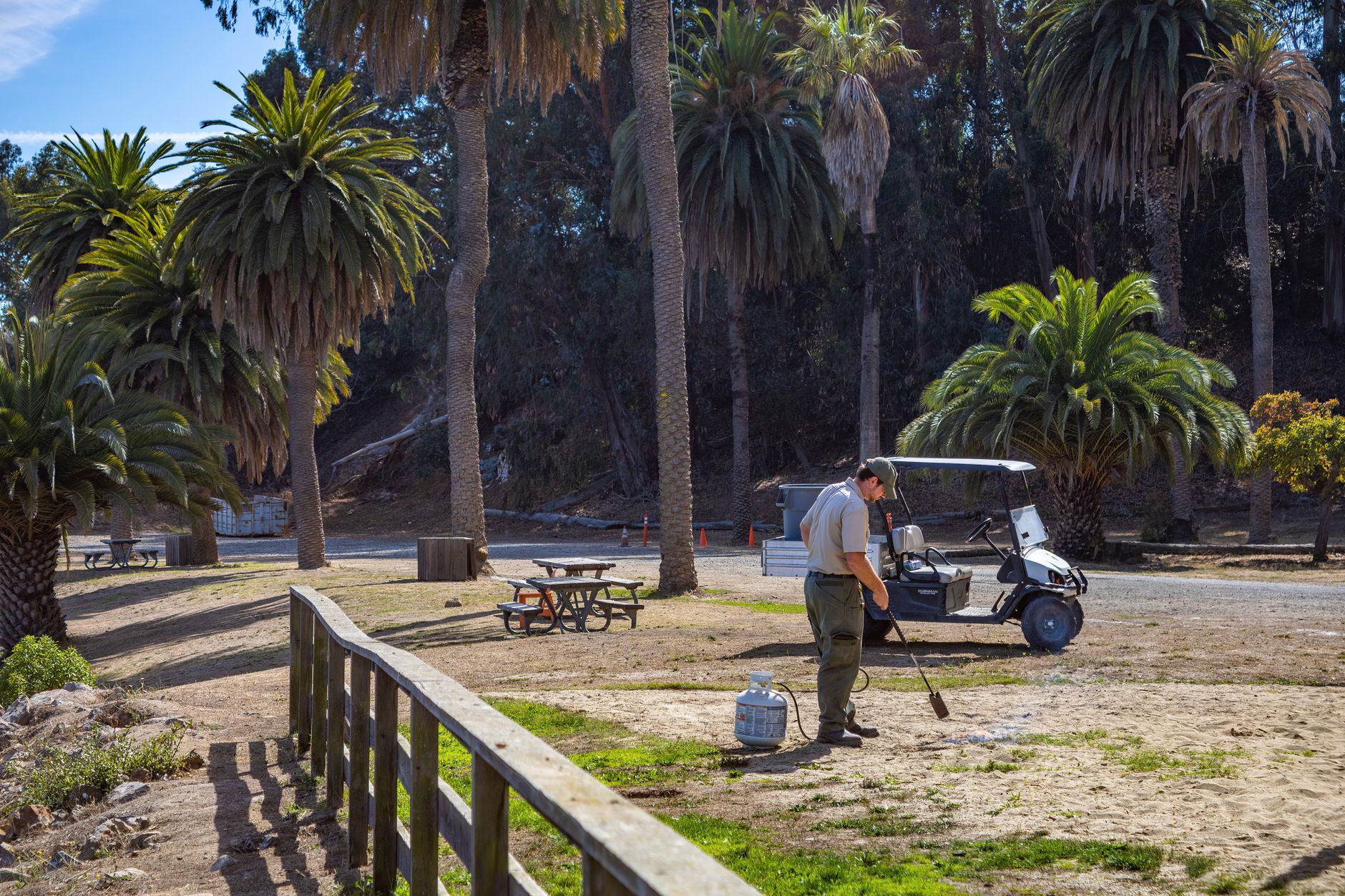
Government golf cart auctions are public sales where agencies dispose of carts they no longer need. These listings may include small utility carts, passenger carts, and specialty vehicles that have been used in managed environments and are ready for a new owner.
Buyers use these auctions for different reasons. Some want affordable inventory for a golf course, campus, resort, or neighborhood. Others are dealers looking for multiple units to refurbish and resell. Many buyers also prefer the transparency of an auction setting, where the available carts, sale terms, and pickup process are clearly posted before bidding.
Why government agencies sell golf carts at auction
Government agencies usually auction golf carts because the carts have reached the end of their intended service life, were replaced during an equipment refresh, or are no longer needed for a site change. In many cases, the goal is to clear space, simplify fleet management, and recover value from equipment that still has usable life left.
You will often see these carts come from structured environments where vehicles were maintained for daily use, but condition still varies a lot from one unit to the next. That is why buyers should focus on documentation, photos, notes, and pickup details instead of assuming every government-owned cart is automatically ready to drive.
- Fleet refresh or replacement cycles
- Site closures, relocations, or department changes
- Asset liquidation after surplus declaration
- Seasonal or limited-use property operations
- Transfer of equipment from one facility to another
Common sources of inventory, including municipalities, parks, campuses, and public facilities
When comparing listings, pay close attention to how the cart was used. A cart from a campus shuttle route may have different wear than one used for grounds work or facilities support. For current inventory and upcoming opportunities, explore the available auction carts and watch for units that match your use case.
If you need help identifying the right source or asking about upcoming opportunities, you can also reach out for auction support through Jeff Martin Auctioneers. That is often the fastest way to clarify whether a cart fits a personal, utility, or fleet need.
What to look for before bidding on a used government golf cart
If the listing includes a street-legal setup, verify that the equipment is complete and consistent with your local use requirements. If you are buying for a property or business, make sure the cart’s configuration fits the job instead of assuming a standard golf cart will handle every application. A deeper review of brands can also help when you are choosing between units from different manufacturers; our comparison of Club Car vs EZGO golf carts is a good starting point for brand-level evaluation.
For buyers who want to reduce risk, registration is a smart next step because it gives you access to current opportunities and helps you stay ready for new listings. You can register to bid with Jeff Martin Auctioneers and be ready when the right cart appears.
- Battery condition, charging setup, and visible corrosion
- Tire wear, alignment, and wheel condition
- Seats, body panels, and overall cosmetic wear
- Frame integrity, rust, and impact damage
- Street-legal equipment such as lights, mirrors, and signals
- Utility components like cargo beds, racks, or towing features
How the auction process works from registration to pickup
A strong auction experience depends on preparation. Know your budget, understand buyer premiums or fees where applicable, and set a repair allowance before bidding so you are not surprised after the sale ends. If you are managing a larger purchase, having a clear acquisition plan makes it easier to compare options and move quickly when a suitable cart becomes available.
Jeff Martin Auctioneers helps keep that process simple and transparent, so buyers can focus on the inventory and not guess at the next step. When you are ready, the best move is to register early, review active listings, and ask questions before bidding rather than after the auction closes.
Where government auction carts fit best for buyers, dealers, and fleet operators
These carts are not always the perfect fit for every buyer, but they can be an efficient option when you understand the tradeoff between cost, condition, and required work. Some buyers want a project. Others want a ready-to-use utility cart. The key is matching the cart to the job rather than chasing the lowest number on the listing.
If you are tracking opportunities for your property, business, or resale operation, start with current inventory and then work backward from the use case. That is the most reliable way to shop government golf cart auctions without overbuying or ending up with the wrong setup for your needs.
Frequently asked questions
Yes, they can be a practical source of used carts for buyers who are willing to review condition carefully and understand the sale terms. The best results usually come from comparing listing details, inspecting photos closely, and setting a realistic repair budget before bidding.
Next step
Ready to explore government golf cart auction opportunities?
Register with Jeff Martin Auctioneers to review current inventory, get notified about new listings, and ask about upcoming government golf cart auctions. If you need help matching a cart to your property, fleet, or resale plan, their team can point you in the right direction.
Register to BidKeep reading
Related articles

Best Golf Cart Brands: How to Compare the Top Options for Buyers and Sellers
A practical buying guide to the best golf cart brands for personal, utility, and fleet use. Compare build quality, dealer support, resale value, and total ownership cost with Jeff Martin Auctioneers.
Read article
Golf Cart Buying Guide
A practical golf cart buying guide for comparing personal, utility, fleet, and street-legal carts, understanding power options and features, and evaluating total ownership costs before you buy through Jeff Martin Auctioneers.
Read article
Golf Cart License Requirements by State: What Buyers Need to Know
Learn how golf cart license requirements by state can change based on local laws, age rules, and whether the cart is street-legal. Use this practical guide to check what matters before you buy.
Read article
Fleet Golf Cart Financing: What Buyers, Dealers, and Businesses Need to Know
Learn how fleet golf cart financing works, what lenders review, and how buyers can compare loans, leases, and marketplace options with confidence.
Read article
Street Legal Golf Cart Requirements in California
Learn what makes a golf cart street legal in California, how low-speed vehicles differ from standard carts, and what to verify before buying or registering one for road use.
Read article