
Fleet Golf Cart Financing: What Buyers, Dealers, and Businesses Need to Know
Learn how fleet golf cart financing works, what lenders review, and how buyers can compare loans, leases, and marketplace options with confidence.
Fleet golf cart financing can help buyers move faster when they need multiple carts for a property, business, community, or dealer lot. Instead of paying all at once, you can structure the purchase around cash flow, operational needs, and long-term ownership goals.
The right financing approach depends on the number of carts, their condition, how they’ll be used, and whether you want to own them outright or preserve flexibility. Here’s a practical look at how fleet financing works and what Jeff Martin Auctioneers can help you compare when you’re ready to buy.
What fleet golf cart financing covers and who uses it
Fleet golf cart financing applies to purchases of multiple carts at once, whether they’re for a resort, campus, gated community, warehouse, event operation, rental fleet, or dealership inventory. It can also support mixed purchases when a buyer needs a combination of utility carts, passenger carts, and street-legal models.
This type of financing is common for property managers, business operators, municipal buyers, and dealers who want to preserve working capital while still securing the carts they need. Buyers often use financing to match the cost of the fleet to the revenue or efficiency those carts are expected to generate.
If you are still comparing cart types, it helps to review fleet planning alongside maintenance needs. Our guide on organizing and maintaining a reliable cart fleet can help you think through the operational side before you commit to a purchase.
Common financing options for commercial and fleet cart purchases
Most buyers will run into three practical paths: a traditional equipment loan, a lease arrangement, or financing offered through a dealer or marketplace partner. Each option has a different balance of ownership, payment structure, and flexibility.
A loan is usually the most straightforward if you want to own the carts at the end of the term. Leasing can work well if you expect to refresh the fleet more often or want lower upfront commitment. Marketplace or dealer-assisted financing may help streamline the buying process when you are purchasing from a live inventory source and want to coordinate funding with the cart selection itself.
For many buyers, the best option is the one that aligns financing with how the carts will actually be used. A utility fleet that will work hard every day may justify a different structure than carts used seasonally or for special events.
- Loans: better for buyers focused on long-term ownership
- Leases: useful for preserving flexibility and replacing carts more often
- Dealer or marketplace financing: can simplify the buying and approval process
Loans vs. leases vs. dealer or marketplace financing
A loan gives you ownership from the start of the term and typically ends with the carts fully paid off. That can be attractive for businesses that want a long useful life from the fleet and prefer building equity in the asset.
A lease usually lowers the barrier to entry and may reduce monthly obligations, but it may also include mileage, usage, or return conditions depending on the agreement. That makes it worth reviewing the operational fine print before signing.
Dealer or marketplace financing can be especially helpful when timing matters. If you need to register as a buyer and move quickly on available inventory, having a financing plan ready can reduce delays between finding the right carts and closing the deal.
The right choice often comes down to total cost, ownership goals, and how predictable your fleet demand is over time.
What lenders typically evaluate before approving a fleet purchase
Lenders usually look at the strength of the buyer, the quality of the asset, and the structure of the deal. That means they may review business credit, time in business, cash flow, down payment amount, cart condition, and the estimated resale value of the fleet.
They may also consider how the carts will be used. A buyer with a clear operating purpose and a well-defined purchase plan often presents a cleaner financing case than a buyer still trying to decide on the fleet mix.
If you are sourcing multiple carts for a property or business, it helps to be ready with basic details: quantity, intended use, desired model type, and whether you are buying new or used. A clear request can make it easier to ask for help matching the right fleet inventory and avoid wasting time on carts that do not fit the application.
- Business or personal credit profile
- Down payment and cash reserves
- Fleet size and vehicle mix
- Condition, age, and expected resale value
- Intended commercial use and repayment plan
Key cost factors that affect monthly payments and total ownership cost
The monthly payment is only part of the story. Total ownership cost also includes maintenance, battery replacement or charging equipment, transport, insurance, and any upgrades needed for the carts to meet your site requirements.
Several factors can push payments up or down. Higher cart counts, newer units, added accessories, premium battery systems, and longer terms can all affect the final structure. Used carts may lower the purchase price, but buyers should still account for refurbishment, repairs, and post-purchase readiness.
Before financing, it is smart to compare cart condition and configuration side by side. If you are evaluating listings in more than one state, guides like how to compare dealers and buy with confidence can help you approach inventory differences with a clearer eye.
- Cart condition and age
- Battery type and replacement needs
- Accessories and street-legal upgrades
- Transport, delivery, and setup
- Maintenance and service expectations
How to finance multiple carts without slowing down operations
The main challenge with fleet financing is keeping operations moving while the deal is being finalized. Businesses and property managers often need carts delivered, staged, or deployed on a schedule, so it helps to treat financing as part of the rollout plan rather than a separate afterthought.
Start by defining the minimum fleet size you need now and the additional carts you may add later. That gives you a cleaner target for approval and helps you avoid overbuying before the fleet is ready to support itself.
It also pays to think in phases. Some buyers finance an initial group of carts, then add more once usage patterns are clear. That can be a practical way to reduce risk while still building the fleet you need.
When the buying process is tied to active inventory, speed matters. That is one reason qualified buyers use the current cart listings to compare options and move forward faster once they find the right fit.
Why buyers use Jeff Martin Auctioneers to compare inventory and move quickly
For fleet buyers, the real advantage is not just financing. It is finding the right inventory, comparing options clearly, and making a fast decision with confidence. Jeff Martin Auctioneers helps create that path by giving buyers a transparent place to evaluate available carts and submit serious inquiries.
That matters when you are purchasing multiple carts at once. You want a marketplace that makes it easy to assess condition, compare configurations, and connect the buying decision to your financing timeline. A smoother process can reduce downtime and help you act when the right inventory appears.
The best financing plan is the one that supports a good purchase, not the other way around. When buyers know what they need and can register early, they are better positioned to move when fleet carts become available.
- Compare fleet inventory in one place
- Reduce time spent chasing incomplete listings
- Align purchase timing with financing readiness
- Use buyer registration to stay prepared for available carts
Next steps: register to buy or inquire about available fleet carts
If you are evaluating fleet golf cart financing, the next step is to get clear on your budget, your fleet size, and your preferred ownership structure. Once you know those basics, you can move faster when the right carts appear.
Jeff Martin Auctioneers is the trusted contact brand behind this marketplace, and the easiest way to stay ready is to register as a buyer and submit an inquiry for the fleet carts you need. That gives you a direct path to inventory updates, buying support, and a more efficient purchasing process.
Whether you are buying for a property, business, dealership, or community, the goal is the same: find the right carts, finance them wisely, and keep operations running smoothly.
Frequently asked questions
Lenders usually care about business strength, cash flow, down payment, time in business, and the value or condition of the carts. A clear purchase plan and defined commercial use can also help support approval.
Next step
Get help with fleet cart buying and financing
If you are ready to compare fleet golf cart options, Jeff Martin Auctioneers can help you take the next step with confidence. Register as a buyer, review available inventory, and inquire about the carts that fit your operation.
Register to BuyKeep reading
Related articles

Fleet Golf Cart Management: How to Organize, Maintain, and Scale a Reliable Fleet
Learn how fleet golf cart management helps businesses, communities, and property operators plan fleet size, control maintenance, reduce downtime, and source carts through Jeff Martin Auctioneers.
Read article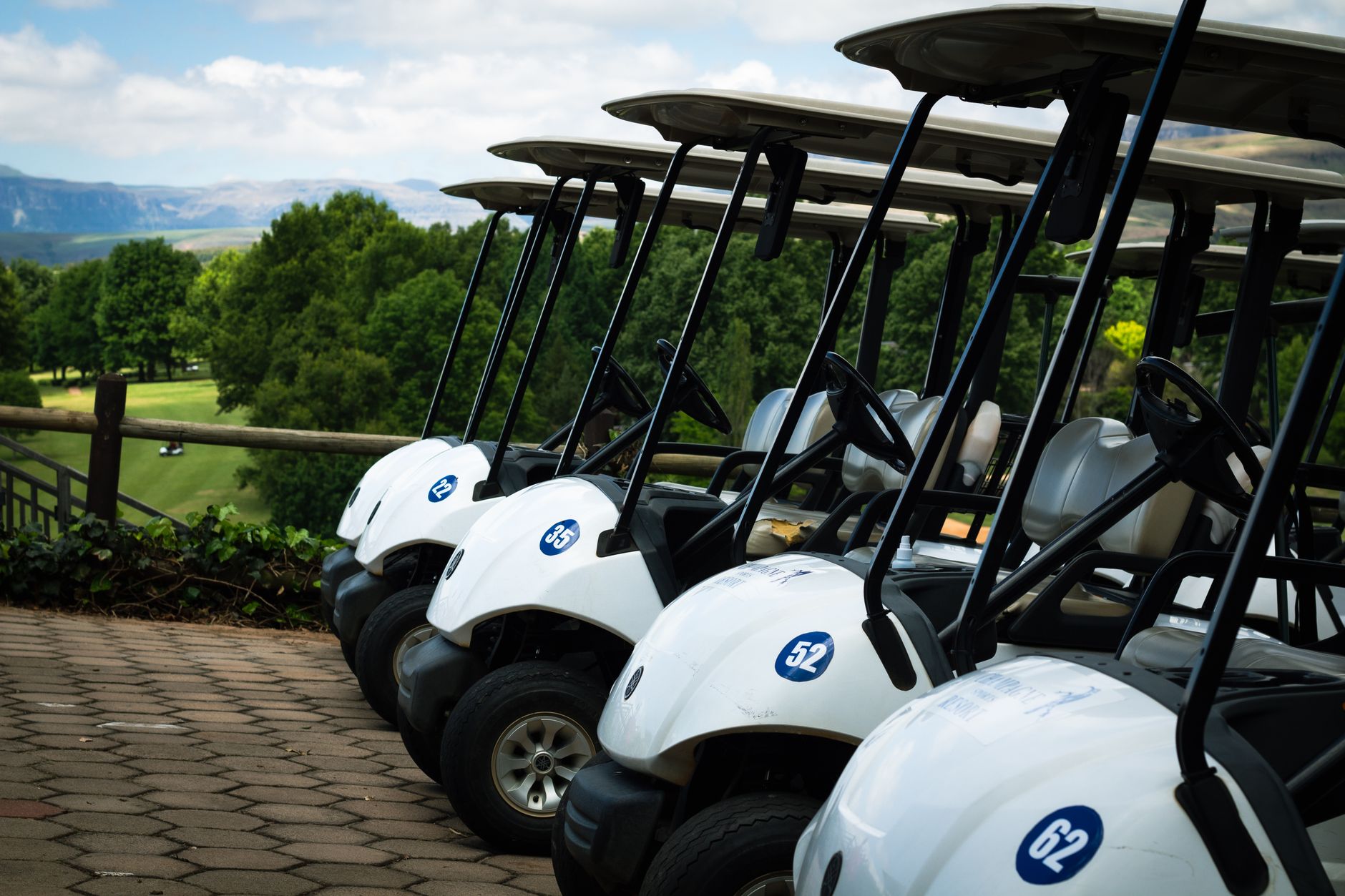
Used Fleet Golf Carts: What Buyers Should Know Before They Compare
A practical guide to used fleet golf carts, including what to inspect, how to compare value, and when fleet carts make sense for business, community, or property use.
Read article
Fleet Golf Carts for Hospitals: How to Choose the Right Hospital Mobility Cart
A practical guide for facilities teams and hospital administrators comparing fleet golf carts for hospitals. Learn which specs matter for patient support, staff movement, deliveries, safety, and campus mobility, and how to source reliable options through Jeff Martin Auctioneers.
Read article
Fleet Golf Carts for Universities: How to Choose the Right Campus Fleet
A practical guide for universities evaluating fleet golf carts for campus transportation, maintenance, security, events, and accessibility support, with buying tips and sourcing guidance.
Read article
Golf Cart Storage Checklist: How to Protect Your Cart Before Long-Term Storage
Learn how to prepare electric, gas, personal, utility, fleet, and street-legal golf carts for storage with a practical checklist for cleaning, battery care, tires, weather protection, and security.
Read article