
Fleet Golf Carts for Hospitals: How to Choose the Right Hospital Mobility Cart
A practical guide for facilities teams and hospital administrators comparing fleet golf carts for hospitals. Learn which specs matter for patient support, staff movement, deliveries, safety, and campus mobility, and how to source reliable options through Jeff Martin Auctioneers.
Hospitals depend on fast, flexible movement across large campuses. From patient support to supply runs, the right fleet golf carts for hospitals can help teams move people and materials without adding unnecessary complexity.
The best choice is not always the biggest cart or the newest model. Facilities teams need to compare range, seating, utility setup, safety features, and total cost so the carts fit the way the hospital actually operates.
Where hospitals use fleet golf carts and why they matter
Hospitals use fleet carts in more places than many buyers expect. They can support patient transport between buildings, move staff around large campuses, deliver linens or meals, and help maintenance or environmental services teams cover long routes more efficiently.
In a busy facility, short trips add up. A well-selected cart can reduce walking time for staff, improve response speed for non-emergency needs, and make campus logistics easier to manage. For buyers comparing options, it helps to start with the job the cart must do, then match the cart style to that use case.
If your team is still defining the fleet mix, it can help to review a broader campus strategy in our campus fleet comparison guide, since hospitals and large institutions often face similar mobility planning decisions.
Key features hospital buyers should prioritize
When evaluating hospital fleet carts, focus on how the unit will perform during daily use rather than only how it looks on paper. The most important factors usually include electric range, battery charging needs, passenger seating, cargo space, turning radius, and the ability to add racks, hitches, or enclosed storage.
Facilities teams should also think about uptime. If a cart will be used throughout the day, a reliable charging routine and simple maintenance access matter just as much as payload. That is especially true when carts are shared across departments and must stay ready for repeated short trips.
For buyers who are building a shortlist, it is smart to register as a buyer so Jeff Martin Auctioneers can help match you with available inventory that fits your hospital’s operating needs.
- Electric range and recharge time
- Passenger seating or cargo configuration
- Payload and towing capability
- Lighting, mirrors, and visibility features
- Service access and battery maintenance requirements
Electric range, battery performance, and charging needs
Most hospitals prefer electric carts because they are quiet, easy to use indoors or near entrances, and well suited to repeat short-distance routes. But range matters more than many first-time buyers realize. A cart that works well for one building loop may fall short on a larger campus with multiple stops and elevation changes.
Battery performance depends on cart age, battery type, route length, load weight, and charging habits. Buyers should ask how many trips the cart will make per shift, whether it will be carrying passengers or cargo, and where it will be recharged. Those details help determine whether standard charging is enough or whether the fleet needs a more deliberate charging schedule.
If you are comparing older units, battery condition becomes even more important. For a deeper look at inspection points, see what to check before comparing used fleet carts before you commit to a purchase.
Passenger capacity, cargo space, and towing or utility add-ons
Passenger carts are useful for moving staff, visitors, and non-emergency patient support across a campus. Utility carts, on the other hand, are better for housekeeping, maintenance, and supply movement. Some hospitals need both, which is why the best fleet strategy usually starts with department-level use cases instead of a single cart standard.
Cargo beds, storage boxes, tow hitches, and weather protection can make a major difference in daily performance. A cart that carries linen, waste, tools, or medical supplies should be selected for payload and layout, not just seat count. Even small add-ons can improve workflow if they are matched to the route and the team using the cart.
If your hospital is also balancing budget timing, you may want to review fleet cart financing options and buying considerations while you compare inventory and plan procurement.
- 2-seater, 4-seater, or larger passenger layouts
- Open cargo beds or enclosed utility storage
- Rear hitches and light towing tasks
- Canopies, windshields, and all-weather protection
- Interior-friendly options for quieter operation
Safety, compliance, and facility fit considerations
Hospitals have to think about more than basic mobility. Safety features, facility rules, and traffic patterns all shape which cart is appropriate. Depending on the campus, buyers may need lights, mirrors, horns, seat belts, parking brakes, reflective markings, or street-legal equipment for specific routes.
Compliance also means making sure the cart works in the places it will actually go. Door widths, elevator access, floor transitions, curb cuts, and parking areas can affect how usable a cart is throughout the facility. If the cart cannot move smoothly through the hospital’s most common paths, it will lose value quickly.
Operational fit matters too. Teams should look at who will drive the cart, how it will be stored, whether charging stations are accessible, and how often the cart needs service. Strong fleet planning can reduce surprises later and improve day-to-day reliability.
New vs. used fleet carts: what hospital buyers should weigh
New carts can make sense when a hospital needs a very specific configuration, wants a longer expected service window, or needs to standardize a larger fleet. Used carts can be a strong option when budget matters, especially if the buyer is comfortable evaluating condition, batteries, tires, brakes, and maintenance history.
The decision should be based on total cost, not just purchase price. A lower upfront price can still become expensive if the cart needs battery replacement, repair work, or accessory upgrades right away. On the other hand, a well-maintained used cart can be a practical way to expand a fleet quickly without overcommitting capital.
Facilities that are weighing replacement cycles and ongoing fleet planning may also benefit from fleet management guidance for larger cart programs before deciding how many units to buy and when to rotate them out.
- New carts can simplify standardization
- Used carts can reduce upfront spend
- Condition and maintenance history matter more than age alone
- Accessories and reconditioning can affect total cost
How to source hospital fleet golf carts through Jeff Martin Auctioneers
When you source hospital fleet golf carts through a marketplace, the key advantage is choice. You can compare cart types, assess condition, and review available inventory without committing to a single dealer’s stock. That makes it easier for facilities teams, procurement staff, and administrators to align the purchase with real operational needs.
Jeff Martin Auctioneers provides the trusted marketplace behind the buying process, which helps simplify evaluation and lead capture for qualified buyers. If you are ready to source units for a hospital campus, start by registering as a buyer or reaching out directly with your requirements so the team can help you identify suitable inventory and next steps.
The clearest purchases come from a clear brief. Share how many carts you need, what each cart will do, whether you want passenger or utility layouts, and any required features such as charging setup, lighting, or road-ready equipment. That information helps narrow the market faster and supports a cleaner comparison process.
Frequently asked questions
It depends on the job. Passenger carts are usually best for moving people, while utility carts are better for supplies, housekeeping, and maintenance. Many hospitals need a mix of both to cover campus operations efficiently.
Next step
Need hospital fleet carts that fit the job?
Register with Jeff Martin Auctioneers to explore available inventory, compare cart types, and submit your hospital fleet requirements with confidence. If you are sourcing passenger, utility, or campus mobility carts, the marketplace approach makes it easier to find the right fit.
Register to BuyKeep reading
Related articles

Fleet Golf Carts for Airports: How to Choose the Right Models for Airport Operations
A practical guide for airport teams evaluating fleet golf carts for passenger movement, ramp support, maintenance, security, and staff transport, with buying tips to compare used and new options confidently.
Read article
Fleet Golf Carts for Warehouses: How to Choose the Right Cart Mix for Your Operation
A practical guide to choosing fleet golf carts for warehouses, including the specs, safety factors, and workflow needs that matter most for material movement, staff transport, and site efficiency.
Read article
Fleet Golf Carts for Universities: How to Choose the Right Campus Fleet
A practical guide for universities evaluating fleet golf carts for campus transportation, maintenance, security, events, and accessibility support, with buying tips and sourcing guidance.
Read article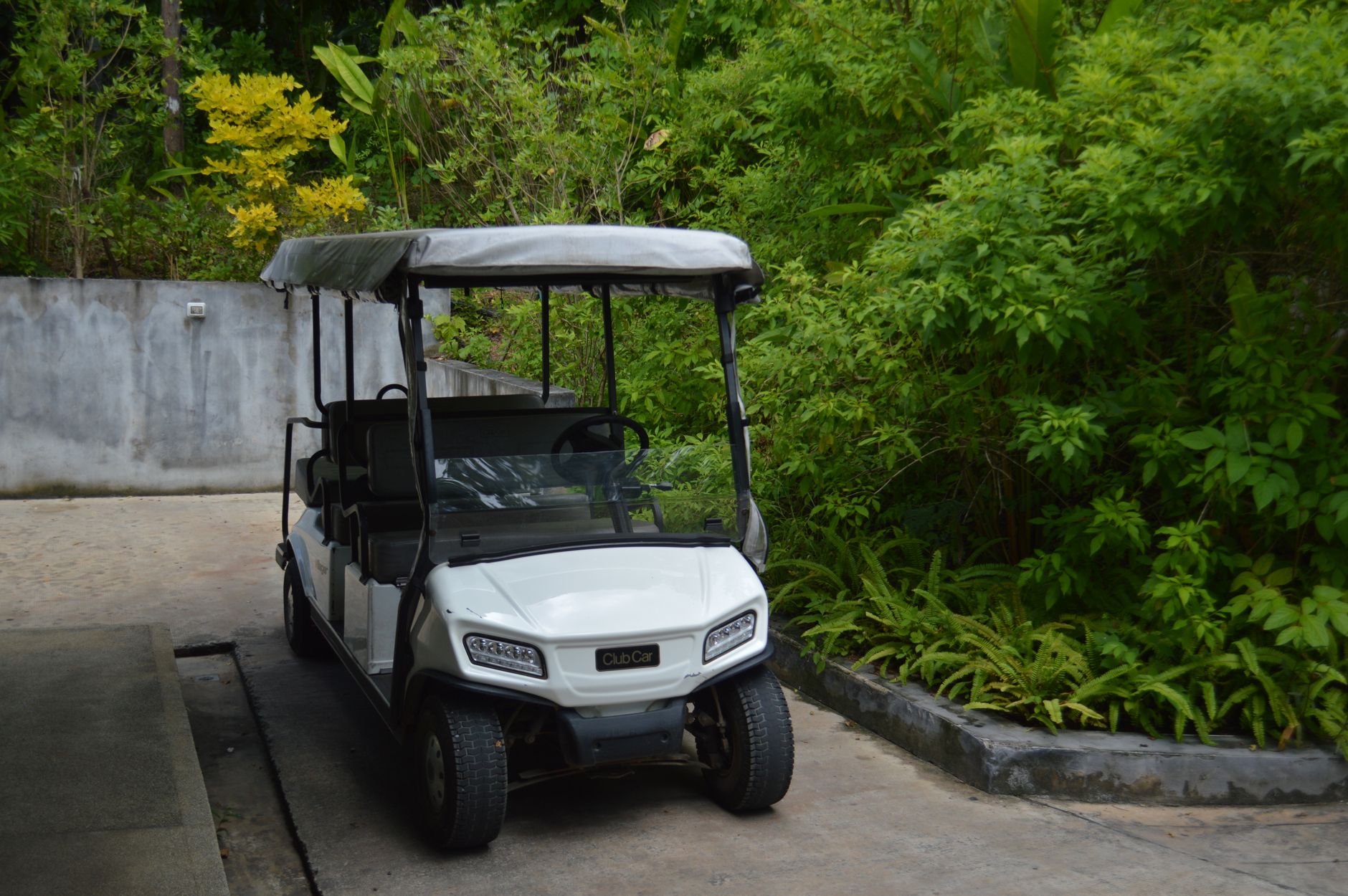
Fleet Golf Carts for Manufacturing Plants: How to Choose the Right Fleet
A practical guide to choosing fleet golf carts for manufacturing plants, including cart types, safety considerations, capacity, battery performance, and maintenance needs for efficient plant operations.
Read article
Used Fleet Golf Carts: What Buyers Should Know Before They Compare
A practical guide to used fleet golf carts, including what to inspect, how to compare value, and when fleet carts make sense for business, community, or property use.
Read article