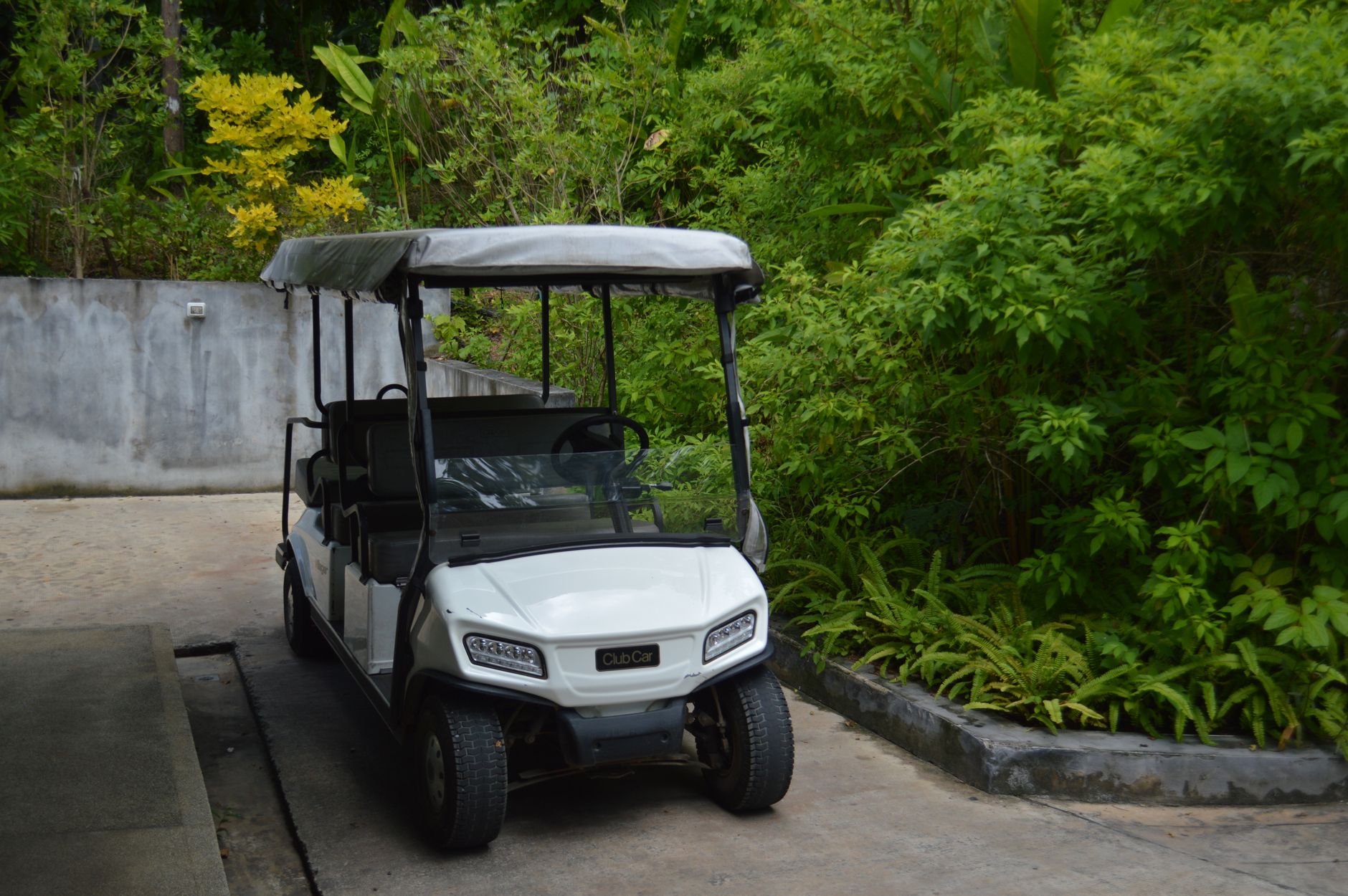
Fleet Golf Carts for Manufacturing Plants: How to Choose the Right Fleet
A practical guide to choosing fleet golf carts for manufacturing plants, including cart types, safety considerations, capacity, battery performance, and maintenance needs for efficient plant operations.
Manufacturing plants use fleet golf carts to move people, tools, parts, and maintenance crews across large facilities without wasting time or adding wear to heavier equipment. When the right carts are matched to the right jobs, they can improve response times, support routine inspections, and make day-to-day operations more efficient.
This guide breaks down how to evaluate fleet golf carts for manufacturing plants, what types fit different plant tasks, and which buying criteria matter most in industrial environments. If you are comparing options now, Jeff Martin Auctioneers can help you source inventory with a simpler, more transparent buying process.
Why Manufacturing Plants Use Fleet Golf Carts
In a manufacturing plant, distance adds up quickly. Teams may need to move between production lines, storage areas, loading zones, and maintenance shops many times a day. Fleet golf carts help reduce travel time so employees can stay focused on production, repairs, and safety checks instead of walking long routes across the facility.
These carts are commonly used for supervisor rounds, quality inspections, parts delivery, tool transport, and mobile maintenance support. In larger plants, they can also help coordinate shift changes and move personnel efficiently across indoor and outdoor work areas.
For buyers comparing use cases across commercial settings, it can help to review related fleet planning examples such as fleet cart mix strategies for warehouses, since many of the same capacity and uptime considerations apply.
Best Fleet Golf Cart Types for Plant Operations
If your operation includes frequent service calls or mixed indoor-outdoor travel, make sure the cart platform can support the terrain and payload you expect. It is usually smarter to buy for the hardest daily route rather than the easiest one.
When you are ready to compare live inventory, browse available fleet options to see which configurations match your plant’s operating needs.
- Personnel carts: Best for moving supervisors, inspectors, and small teams between plant zones.
- Utility carts: Best for hauling parts, supplies, and lightweight materials in bins or cargo beds.
- Maintenance carts: Best for service crews carrying tools, test equipment, and repair kits.
- Electric carts: Often preferred for indoor use and lower-emission operation in enclosed spaces.
- Street-legal or outdoor-capable carts: Useful when plant grounds include larger outdoor routes or multiple buildings.
Utility, personnel, and maintenance carts: which jobs each one fits
Personnel carts make the most sense when the main job is moving people safely and quickly. They are often used for plant tours, shift coverage, safety rounds, and management visits. If the route is simple and the cargo light, a personnel-focused cart can be the most efficient choice.
Utility carts are the workhorses of many plant fleets. They are better suited for parts runs, janitorial support, light materials handling, and moving consumables between workstations. A cargo bed, storage bin, or hitch package can add real value here.
Maintenance carts are the best fit when technicians need to carry tools, meters, and replacement parts to multiple service points. These carts should be chosen for stability, load handling, and durability first, with comfort and speed as secondary considerations. For buyers who want a broader comparison before they decide, our guide on what to know before comparing used fleet carts is a helpful next read.
Key Buying Criteria for Industrial Environments
It also helps to think about battery and charging strategy early. A cart that works well on paper may still create problems if charging infrastructure does not fit the plant schedule or if carts are unavailable during peak production hours.
If you need help narrowing the options, use the buyer registration form to connect with Jeff Martin Auctioneers and request sourcing support tailored to your fleet needs.
- Capacity: Confirm passenger count and payload limits for tools, parts, and daily cargo.
- Battery performance: Choose a power system that can cover a full shift or planned service window.
- Terrain and traction: Evaluate floor condition, ramps, thresholds, and outdoor surfaces.
- Safety features: Check braking, visibility, controls, and operator protection.
- Uptime and service needs: Look for carts that are easy to charge, inspect, and maintain.
- Fleet standardization: Using fewer models can simplify training, parts, and repairs.
Cost, Maintenance, and ROI for Plant Fleet Buyers
The purchase price is only one part of the total cost of ownership. In manufacturing, the better question is how much time a cart saves, how often it will be used, and how long it can stay in service before major repairs start affecting uptime. That is where durable construction and simple maintenance access can justify the investment.
Electric fleets often appeal to plant operators because they can support indoor use and may reduce routine engine-related service. Even so, buyers should still evaluate batteries, chargers, tires, brakes, steering components, and the availability of replacement parts. A lower upfront cost is not a win if the cart spends too much time offline.
For a plant fleet, ROI often shows up in reduced walking time, faster response to maintenance issues, less reliance on larger vehicles, and smoother movement between work zones. The right carts can also help standardize transport processes across shifts and departments.
When evaluating value, ask how easy it will be to inspect each unit, replace wear items, and keep the fleet consistent over time. That is especially important for buyers managing multiple carts across several buildings or production areas.
How Jeff Martin Auctioneers Helps Buyers Source Reliable Fleet Carts
Jeff Martin Auctioneers helps buyers find fleet golf carts for manufacturing plants through a marketplace built around practical sourcing and clear next steps. Instead of spending time chasing scattered listings, buyers can use one trusted contact to request inventory that fits their plant’s size, route conditions, and operating goals.
Whether you need a few maintenance carts or a larger fleet for production support, Jeff Martin Auctioneers can help connect you with available options and streamline the evaluation process. If you are ready to move from research to action, register as a buyer so the team can follow up on your fleet requirements.
For plant operators comparing utility, personnel, and service carts, the goal is simple: find the right mix with less guesswork and more confidence. If you have questions about sourcing, model fit, or current inventory, contact Jeff Martin Auctioneers to start the conversation.
Frequently asked questions
It depends on the job. Personnel carts are best for moving people, utility carts work well for parts and light materials, and maintenance carts are ideal for technicians carrying tools and equipment. Many plants use a mix of cart types to cover different routes and tasks.
Next step
Source Fleet Golf Carts with Jeff Martin Auctioneers
Ready to compare fleet golf carts for manufacturing plants? Register with Jeff Martin Auctioneers to request inventory that fits your capacity, safety, and uptime requirements, and get practical help sourcing the right carts for your operation.
Register as a BuyerKeep reading
Related articles
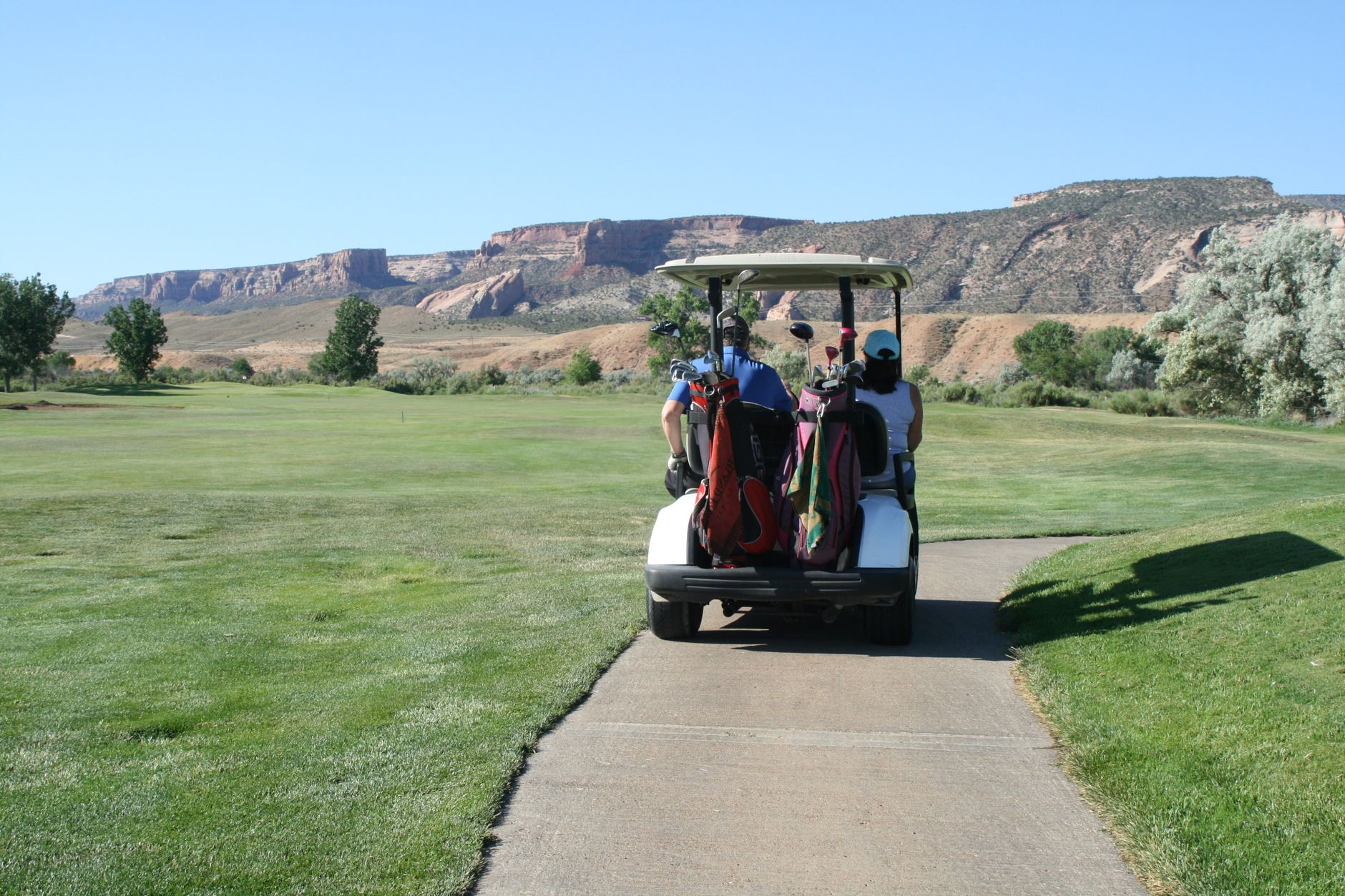
Fleet Golf Carts for Warehouses: How to Choose the Right Cart Mix for Your Operation
A practical guide to choosing fleet golf carts for warehouses, including the specs, safety factors, and workflow needs that matter most for material movement, staff transport, and site efficiency.
Read article
Fleet Golf Carts for Hospitals: How to Choose the Right Hospital Mobility Cart
A practical guide for facilities teams and hospital administrators comparing fleet golf carts for hospitals. Learn which specs matter for patient support, staff movement, deliveries, safety, and campus mobility, and how to source reliable options through Jeff Martin Auctioneers.
Read article
Fleet Golf Carts for Universities: How to Choose the Right Campus Fleet
A practical guide for universities evaluating fleet golf carts for campus transportation, maintenance, security, events, and accessibility support, with buying tips and sourcing guidance.
Read article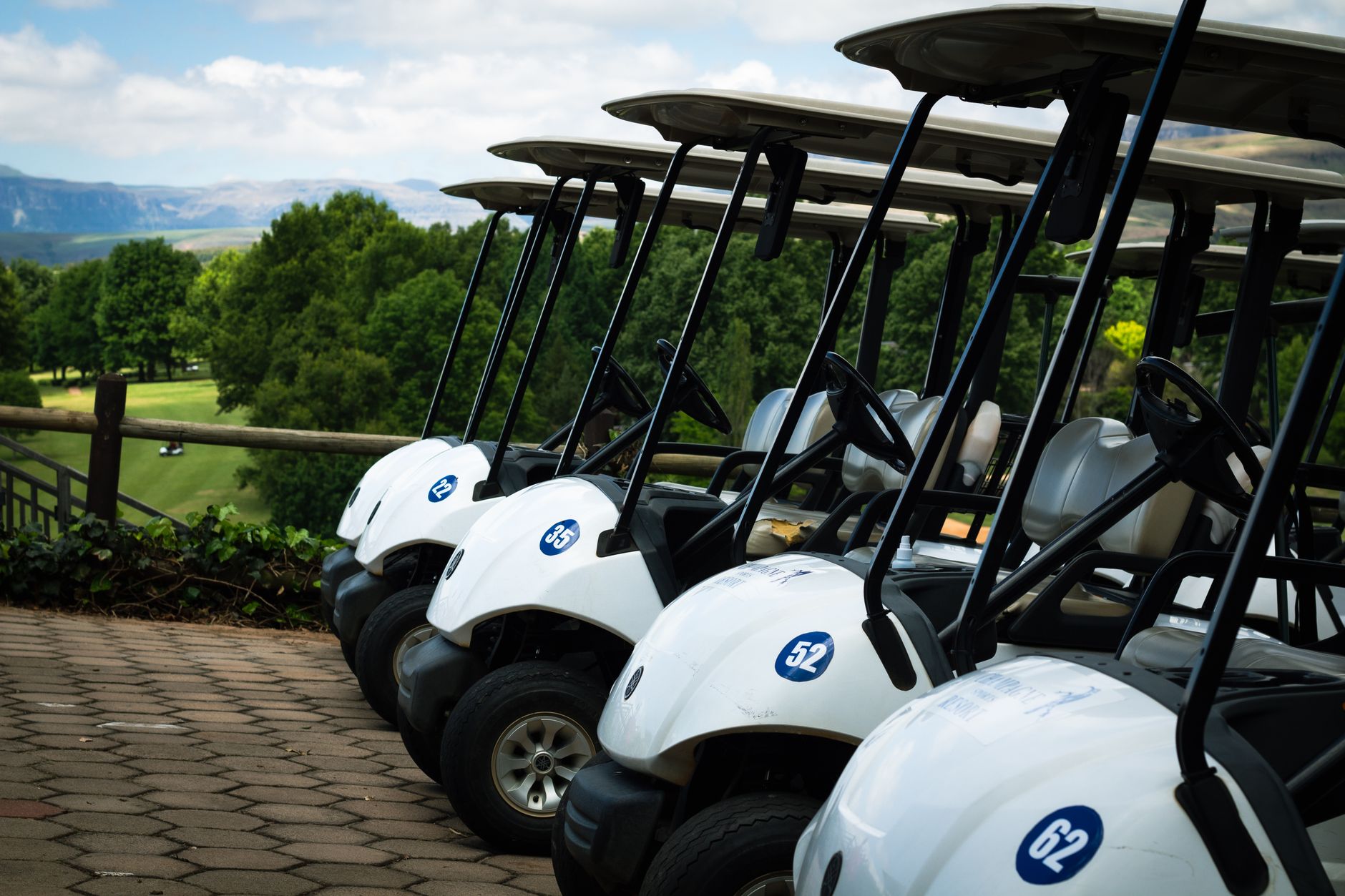
Used Fleet Golf Carts: What Buyers Should Know Before They Compare
A practical guide to used fleet golf carts, including what to inspect, how to compare value, and when fleet carts make sense for business, community, or property use.
Read article
Fleet Golf Cart Financing: What Buyers, Dealers, and Businesses Need to Know
Learn how fleet golf cart financing works, what lenders review, and how buyers can compare loans, leases, and marketplace options with confidence.
Read article