
Golf Cart License Requirements by State: What Buyers Need to Know
Learn how golf cart license requirements by state can change based on local laws, age rules, and whether the cart is street-legal. Use this practical guide to check what matters before you buy.
If you are shopping for a golf cart, one of the first questions to answer is simple: can you legally drive it where you plan to use it? The answer depends on the state, the city, the county, and sometimes even the road or community where the cart will be operated.
This guide breaks down golf cart license requirements by state in practical terms, so buyers, sellers, dealers, and property managers can verify the basics before making a move. When you are ready to shop compliant inventory, Jeff Martin Auctioneers is the trusted marketplace source to help you connect with available street-legal golf carts.
Do You Need a License to Drive a Golf Cart?
In many places, the answer is yes for street use and no for private property use. A golf cart used only on a golf course, farm, or private community path may follow different rules than one driven on public roads or crossing a public street.
That is why buyers should not assume one rule applies everywhere. A cart that is fine in one town may need a driver’s license, registration, lights, mirrors, or additional equipment in another. If you are comparing inventory, it helps to review both the vehicle details and the local operating rules before you register interest in a cart.
Why Golf Cart Rules Change from State to State
States set the baseline, but local governments often decide how those rules work in real life. Some states allow golf carts on certain roads if they meet equipment standards and are approved by local ordinance. Others restrict use to specific areas or require a licensed driver regardless of where the cart is operated.
For buyers, this means the same cart can have different legal value depending on where it will be used. It is also why sellers should be clear about whether a cart is a standard golf cart or a street-legal low-speed vehicle. For more buying context, see our guide on how to compare leading golf cart brands before narrowing down your shortlist.
- State law may define where golf carts can be driven.
- City or county ordinances may add age, license, or route restrictions.
- Private communities and resorts may have their own internal rules.
- Street-legal equipment requirements often change the answer.
State Laws vs. City and County Ordinances
This is the part that creates the most confusion. A state may allow golf carts on certain public roads, but a city can still require local approval, restrict operating hours, or limit carts to designated crossings. Counties may also adopt separate rules for unincorporated areas.
Before you buy, check the state motor vehicle or transportation guidance, then confirm the local ordinance for the exact area where the cart will be used. If you need help matching a cart to a use case, you can register as a buyer to stay connected to street-legal options through Jeff Martin Auctioneers.
Common License, Age, and Registration Requirements to Expect
Across the U.S., buyers usually see a few recurring requirements: the driver may need a valid license, there may be a minimum age, and the cart may need registration or a permit if it will be driven off private property. Some jurisdictions also require proof of insurance or a licensed adult driver.
In many places, standard golf carts are treated differently from street-legal carts. A street-legal cart may need safety features such as headlights, brake lights, turn signals, mirrors, a windshield, a horn, and tires suitable for road use. Buyers should also check whether the cart has a vehicle identification number, title paperwork, or other documents needed for transfer.
- Valid driver’s license may be required for public-road use.
- Minimum age rules can vary by state or municipality.
- Registration, inspection, or a permit may be needed.
- Street-legal equipment often determines where the cart can go.
How Street-Legal Golf Carts Differ from Standard Golf Carts
A standard golf cart is usually designed for low-speed use on courses, campuses, resorts, or private property. A street-legal golf cart is typically set up to meet road-use rules in a specific jurisdiction, which can make it a better fit for neighborhoods, business properties, or community transport.
The difference matters for buyers because a cart that looks complete may still fall short of local road requirements. Before you compare options, review the vehicle’s equipment, paperwork, and intended use. If you are still learning what to check on a pre-owned unit, our guide on what to inspect before buying used is a helpful next step.
State-by-State Requirements: What to Check Before You Buy
Because rules change from state to state, the safest approach is to verify three things: who can drive, where the cart can be driven, and what equipment or paperwork is required. Start with the state law, then confirm local ordinance details for your exact area.
Use this checklist before purchasing a cart for road use: confirm whether the driver needs a license, check the minimum age, verify registration or title requirements, and ask whether the cart is classified as a golf cart or a low-speed vehicle. If the cart will be used for property operations, community transport, or fleet support, explore current options through available cart inventory to compare configurations with compliance in mind.
- Who is allowed to operate the cart?
- Is the cart limited to private property or approved roads?
- Does the cart need registration, insurance, or inspection?
- Are there local equipment standards for street use?
- Is the cart being sold as standard or street-legal?
Where to Find Compliant Street-Legal Golf Carts Through Jeff Martin Auctioneers
If you want to buy with fewer surprises, work from the rules first and the inventory second. That approach helps you avoid carts that are fine on paper but not suitable for the area where you plan to use them.
Jeff Martin Auctioneers helps buyers, dealers, and property managers connect with street-legal golf carts through a marketplace built for transparency. If you are ready to move forward, reach out with your questions or register as a buyer so you can be matched with relevant inventory and next-step guidance.
Frequently asked questions
No. Requirements vary widely. Some states allow golf cart use on private property without a driver’s license, while public-road use often requires a valid license and may depend on local ordinances.
Next step
Ready to shop compliant golf cart inventory?
Register with Jeff Martin Auctioneers to explore street-legal golf carts, ask questions about compliance, and connect with inventory that fits your area and use case.
Register as a BuyerKeep reading
Related articles

Street Legal Golf Cart Requirements in California
Learn what makes a golf cart street legal in California, how low-speed vehicles differ from standard carts, and what to verify before buying or registering one for road use.
Read article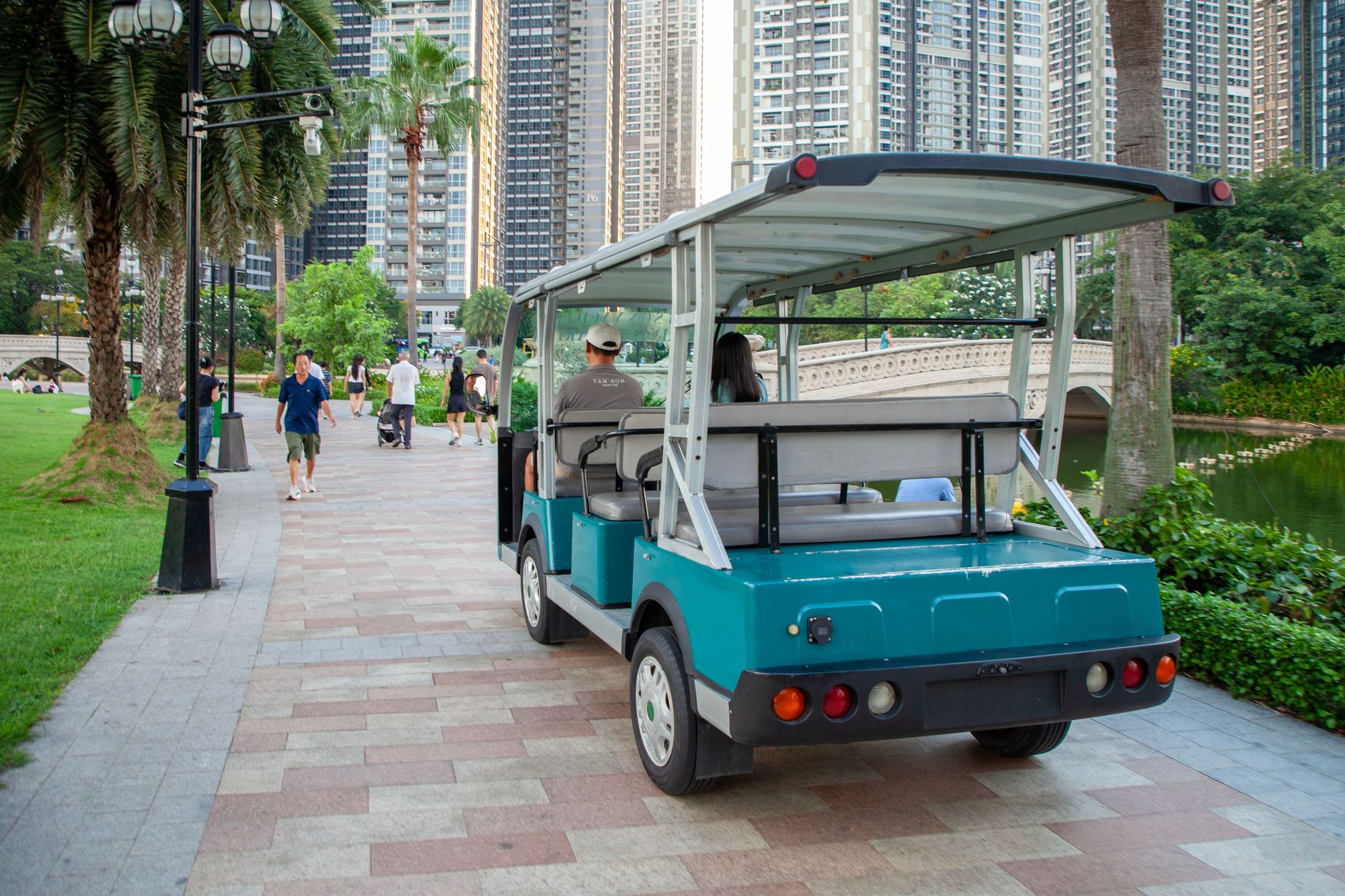
Street Legal Golf Cart Requirements in Georgia
Learn the street legal golf cart requirements in Georgia, including equipment basics, where carts can be driven, and what to check before buying a used cart. Compare compliant options with Jeff Martin Auctioneers.
Read article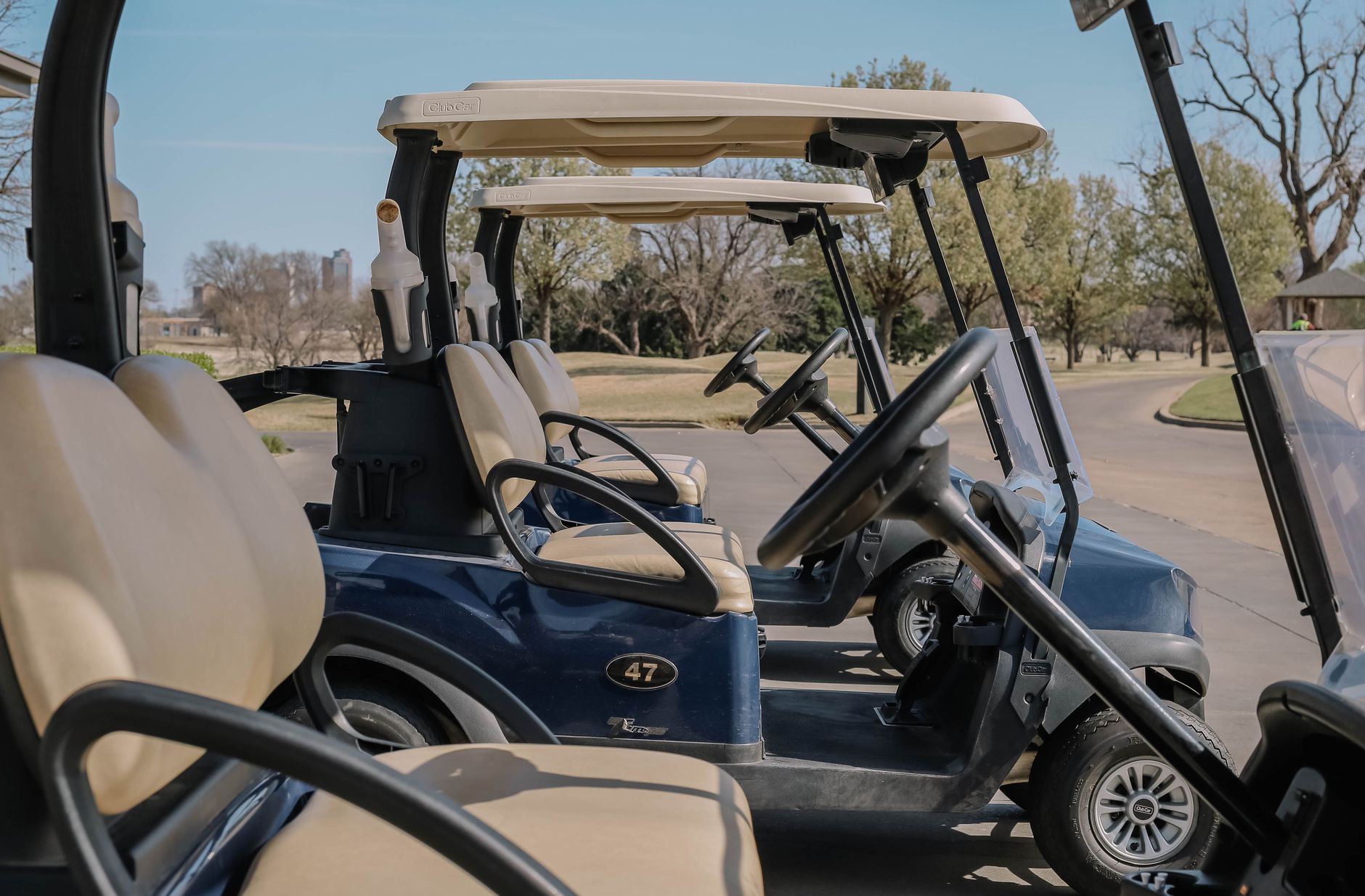
Street Legal Golf Cart Requirements
Learn the street legal golf cart requirements buyers should check before they modify or purchase a cart. This practical guide explains common equipment, registration, insurance, and why state and local rules matter.
Read articleStreet Legal Golf Cart Laws by State
A practical guide to street legal golf cart laws by state, including common equipment requirements, local rule differences, and what to check before you buy a cart for road use.
Read article
Street Legal Golf Cart Registration: What Buyers Need to Know
Learn what street legal golf cart registration means, how requirements vary by state and municipality, and the steps buyers should follow before driving on public roads.
Read article