
Street Legal Golf Cart Requirements in California
Learn what makes a golf cart street legal in California, how low-speed vehicles differ from standard carts, and what to verify before buying or registering one for road use.
California buyers often use the phrase "street legal golf cart" loosely, but the rules depend on whether the vehicle is a standard golf cart or a low-speed vehicle. That difference matters for registration, insurance, and where the cart can legally be driven.
If you are comparing carts for neighborhoods, resorts, campuses, or short road trips, it helps to know the basic requirements before you buy. This guide explains the practical California rules and what to check in any listing before you move forward.
What California Means by a Street Legal Golf Cart
In California, a standard golf cart is not automatically street legal just because it has lights or a mirror. In many cases, road use depends on whether the cart qualifies as a low-speed vehicle, sometimes called an LSV, and whether it meets state and local equipment rules.
That distinction is important for buyers because an LSV is generally built and equipped for limited public-road use, while a basic golf cart is usually designed for private-property use. If you want a broader comparison before you shop, our guide on electric carts for family use can help you think through comfort, seating, and everyday use cases.
Required Equipment and Safety Features

California street-legal requirements usually center on safety equipment. Buyers should confirm that the cart has the right lighting, visibility, and passenger protection features before planning to register or drive it on public roads.
A listing should clearly show whether the cart includes the core items needed for road use, not just optional add-ons. If a seller cannot document the equipment, treat that as a sign to ask more questions through Jeff Martin Auctioneers contact support before you commit.
- Headlights and taillights
- Brake lights and turn signals
- Rearview and side mirrors
- Windshield
- Horn
- Seat belts for each seating position
- Tires suitable for road use
- A speed capability that aligns with California LSV rules
Lights, mirrors, windshield, tires, horn, and seat belts
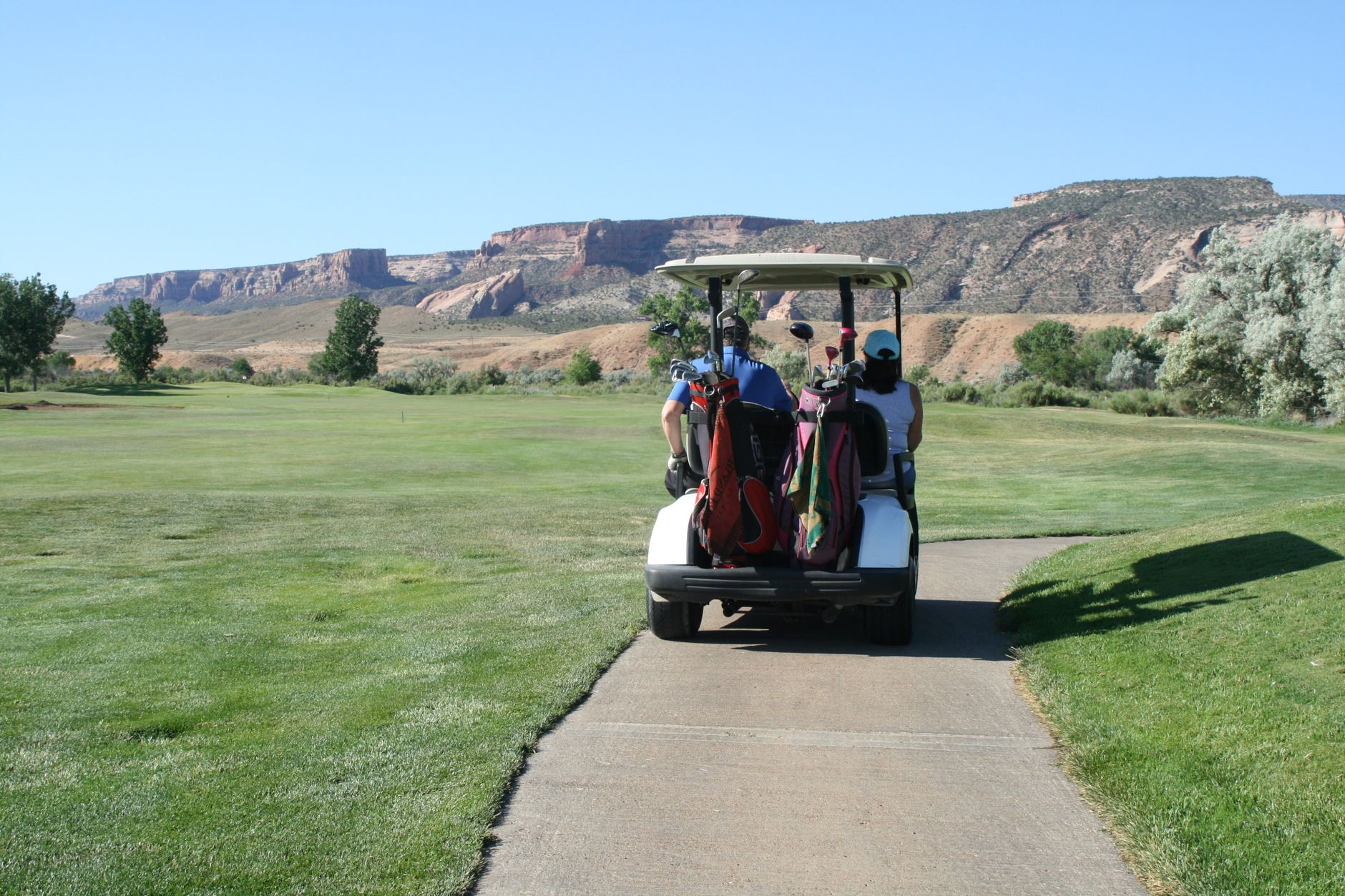
The most common equipment gaps show up in the details. Some carts have headlights but no brake lights. Others have a windshield but no seat belts or turn signals. Those missing items can keep a cart from meeting street-use expectations.
Tires also matter. A cart may run fine on a golf course, but road use requires tires and overall condition that support safer travel on paved streets. Before you buy, review photos closely and ask for confirmation of each feature. If you are comparing used options, this guide on buying used carts is a helpful next step.
Speed Limits, Road Access, and Where These Carts Can Be Driven
California road access is not just about equipment. Where you can drive depends on speed capability, the type of road, and local rules in the city or county where the cart will be used. Many buyers are surprised to learn that even a properly equipped cart may only be allowed on certain streets.
As a practical matter, you should verify the intended route before purchase. Neighborhood roads, gated communities, resorts, campuses, and some local streets may allow low-speed vehicles, while higher-speed roads typically do not. Buyers who want to move quickly from search to purchase can start with our buyer registration page to connect with inventory that matches the intended use.
- Check local ordinances before assuming street access
- Confirm the posted speed limits on nearby roads
- Verify whether the vehicle is an LSV or standard golf cart
- Make sure the planned route matches the cart’s legal use range
- Review parking and charging/storage needs if the cart will be used regularly
Registration, Title, Insurance, and DMV Considerations
If a cart is being treated as a low-speed vehicle in California, paperwork becomes part of the decision. Buyers should ask whether the cart has a proper title, whether the seller can support the transfer process, and what documentation will be needed for registration.
Insurance is another point to check early. Some buyers focus on the cart itself and forget the administrative side until the end. That can create delays, especially if the vehicle came from a private seller, a dealer, or an auction listing with limited paperwork. If you are still narrowing the right fit, you can review current options through Jeff Martin Auctioneers inventory listings and then confirm the documents tied to each unit.
Common Mistakes Buyers Make When Shopping for Street-Ready Carts
One common mistake is assuming that upgraded accessories automatically make a cart legal. A lift kit, mirrors, or a light bar may improve usability, but they do not guarantee compliance with California road rules.
Another mistake is buying without checking the exact jurisdiction where the cart will be used. Local rules can change the answer even when the vehicle itself seems well equipped. Buyers also sometimes overlook battery condition, brake wear, tire age, or missing paperwork, which can turn a good-looking cart into a poor-value purchase.
Before you move forward, compare the listing details against your intended use. If a cart is for a community, business, or fleet application, make sure the equipment and documentation align with that setting, not just with the seller’s description.
- Treat cosmetic upgrades as separate from legal compliance
- Confirm the cart type, not just the appearance
- Ask for documentation before bidding or buying
- Verify local road-use rules where the cart will actually operate
- Check maintenance condition as carefully as equipment
How to Find Compliant Inventory Through Jeff Martin Auctioneers
The easiest way to reduce risk is to shop with a marketplace that makes the cart details clear. Jeff Martin Auctioneers helps buyers review inventory with a practical eye so you can compare equipment, paperwork, and intended use before you register or transport a cart.
If you are actively shopping for California road-ready options, use the listing information to narrow the field, then follow up on the items that matter most: vehicle type, speed capability, safety equipment, and title status. For direct help, you can also reach Jeff Martin Auctioneers and ask about carts that fit your use case, whether that is personal travel, community transport, or business needs.
Frequently asked questions
In California, a cart generally needs to meet the state’s low-speed vehicle and equipment requirements before it can be used on certain public roads. That usually includes lighting, mirrors, seat belts, a windshield, a horn, and a speed capability that fits the road-use rules.
Next step
Looking for a compliant cart in California?
Browse inventory with Jeff Martin Auctioneers and connect with a trusted marketplace team that helps buyers verify the details that matter before they register or use a cart on public roads. Start with clear listings, ask the right questions, and move forward with more confidence.
Register to BuyKeep reading
Related articles
Street Legal Golf Cart Requirements in Georgia
Learn the street legal golf cart requirements in Georgia, including equipment basics, where carts can be driven, and what to check before buying a used cart. Compare compliant options with Jeff Martin Auctioneers.
Read article
Street Legal Golf Cart Requirements
Learn the street legal golf cart requirements buyers should check before they modify or purchase a cart. This practical guide explains common equipment, registration, insurance, and why state and local rules matter.
Read article
Street Legal Golf Cart Registration: What Buyers Need to Know
Learn what street legal golf cart registration means, how requirements vary by state and municipality, and the steps buyers should follow before driving on public roads.
Read article
Street Legal Golf Cart Modifications: What You Need to Know Before You Buy
A practical guide to street legal golf cart modifications, including the safety equipment, road-use upgrades, and state-by-state rules buyers should check before they purchase or list a cart.
Read article
Street Legal Golf Cart Insurance: What Buyers Need to Know
Learn when street legal golf cart insurance may be required, what it typically covers, and how to compare a cart before you buy. Practical guidance for buyers checking local rules, vehicle classification, and protection before registration.
Read article