How To Maintain Electric Golf Carts
Learn how to maintain electric golf carts with a practical routine for batteries, charging, tires, brakes, electrical systems, cleaning, and storage. This guide is built for owners, fleets, and communities that want safer, more reliable carts and a simple way to buy or list through Jeff Martin Auctioneers.
If you want a cart that starts reliably, charges properly, and stays safe to drive, the key is consistent maintenance. Knowing how to maintain electric golf carts does not require a complicated shop routine. It comes down to a few repeatable checks that protect performance and help you spot small issues before they turn into expensive repairs.
This guide covers the basics owners, dealers, fleet managers, and property teams can use every week or season. If you are comparing carts or preparing one to sell, you can also explore current options through the marketplace inventory and use buyer registration to connect with Jeff Martin Auctioneers when you are ready to move forward.
What regular electric golf cart maintenance covers
Electric golf cart maintenance is mostly about keeping the power source healthy, the rolling parts in good shape, and the electrical system clean and secure. Unlike gas carts, there is no engine oil or fuel system to manage, but there are still important wear points that need attention.
A good routine includes battery care, charging habits, tire pressure checks, brake inspection, steering checks, cleaning, and proper storage. For owners who want a broader service checklist, our companion guide on what to inspect on a regular schedule can help you build a simple plan.
Battery care and charging habits that protect performance
Battery condition has the biggest impact on how an electric cart performs day to day. Good charging habits help preserve range, support reliable starts, and reduce the chance of premature battery failure. The main goal is to avoid deep discharges, overcharging, and long periods of sitting in a low state of charge.
For most carts, that means charging after use, using the correct charger, and keeping the charging area dry and well ventilated. If a cart sits for several days or weeks, it should still be checked and topped off on a regular schedule rather than left unused and depleted.
- Charge after use instead of waiting until the batteries are nearly empty.
- Use the charger designed for the cart’s battery type and voltage.
- Keep the battery compartment clean and dry.
- Watch for slow charging, weak acceleration, or reduced run time as early warning signs.
- If batteries are swollen, leaking, or failing to hold charge, plan for replacement.
How to inspect water levels, terminals, and cable connections
If your cart uses flooded lead-acid batteries, check water levels on a routine basis and refill only with distilled water when needed. Never overfill, and make the inspection part of your normal cleaning or charging habit. Proper water levels help prevent damage to the internal plates and support more consistent performance.
Also inspect terminals and cables for corrosion, looseness, or fraying. A white or green buildup around terminals can reduce electrical flow, while loose connections can cause intermittent power loss. Clean connections carefully, tighten hardware as needed, and replace damaged cables before they create larger electrical issues.
Tires, brakes, and steering checks for safe operation
Safe operation depends on more than battery health. Tires should be checked for proper inflation, even wear, and visible damage such as cracks or bulges. Underinflated tires can make the cart harder to handle and may wear unevenly, while worn tires reduce traction on pavement, turf, or mixed surfaces.
Brakes and steering should feel predictable. If braking distance changes, the pedal feels spongy, or the cart pulls to one side, it is time for an inspection. Steering should be responsive without excessive play. For owners thinking about traction, load carrying, or terrain, our guide to choosing the right tires can help you evaluate the setup that fits your use case.
- Check tire pressure regularly and compare it to the manufacturer’s recommendation.
- Look for uneven tread wear that may point to alignment or suspension issues.
- Test brakes at low speed before returning a cart to regular use.
- Inspect steering components for looseness, unusual noise, or binding.
- If the cart carries heavier loads, inspect tires and brakes more often.
Electrical system and charger maintenance basics
A clean electrical system helps an electric cart stay dependable. Inspect visible wiring for damage, loose connectors, or areas where rubbing may have worn the insulation. Make sure the key switch, forward/reverse switch, lights, and any accessory circuits work as expected. Small electrical problems often start as intermittent issues before they become complete failures.
The charger deserves attention too. Keep vents clear, store the charger where it will not be exposed to moisture, and check the cord and plug for wear. If charging behavior changes, such as long charge times or repeated shutoffs, the charger and battery pack should be inspected together rather than assumed to be fine separately.
- Keep wiring harnesses secured and away from moving parts.
- Replace cracked plugs, damaged cords, or burnt connectors immediately.
- Test lights and accessories periodically, especially on fleet or community carts.
- If a charger repeatedly trips, overheats, or fails to complete a charge, have it checked before using the cart again.
Cleaning, storage, and seasonal upkeep
Cleaning is more than cosmetic. Dirt, moisture, and debris can hide corrosion, loosen hardware, and shorten the life of components. Wash the cart with care, avoid soaking electrical parts, and dry the battery area and undercarriage after cleaning. A clean cart is easier to inspect and easier to maintain.
For storage, charge the cart fully, turn off accessories, and keep it in a dry location away from extreme heat or freezing conditions. If the cart will sit for an extended period, check it periodically so the batteries do not sit discharged. Seasonal upkeep is also a good time to review wear items, update tires if needed, and decide whether the cart still fits your needs.
- Clean batteries, terminals, and undercarriage areas as part of routine upkeep.
- Store carts in a dry, protected area when not in regular use.
- Do not leave a cart parked for long periods with low battery charge.
- Inspect weather seals, seat condition, and body panels during seasonal cleanup.
A simple maintenance schedule for owners, fleets, and property managers
The best maintenance schedule is one you can actually follow. Personal owners may only need quick weekly checks, while fleets and community carts often need a more formal routine. The goal is the same in every setting: keep carts safe, reduce downtime, and catch small issues early.
A practical schedule can be built around daily visual checks, weekly battery and tire checks, monthly electrical and brake inspections, and seasonal deep cleaning. If you manage multiple carts, standardizing the process makes it easier to spot patterns and plan service before a cart fails in use. For buyers comparing cart types for different applications, the differences in maintenance needs are worth reviewing in this side-by-side guide.
- Daily: look for visible damage, flat tires, or obvious leaks.
- Weekly: check charge status, battery water levels, and tire pressure.
- Monthly: inspect brakes, steering, terminals, and lights.
- Seasonally: deep clean, review storage needs, and replace worn parts.
- Fleet teams: log issues so repeat problems are easier to track.
When to buy, sell, or upgrade through JMA Golf Carts
Maintenance can tell you when a cart still has useful life and when it may be more efficient to replace it. If a cart needs frequent battery work, repeated electrical repairs, or major wear-item replacement, it may be a better candidate for upgrade than for another round of service. The same is true for older units that no longer fit your property, fleet, or personal use.
When you are ready to compare options, list a cart, or find a replacement, Jeff Martin Auctioneers can help through a straightforward marketplace experience. If you want a next step, use buyer registration to connect with the team, or reach out through the contact section to discuss buying or listing with confidence.
Frequently asked questions
Most owners should do a basic visual check weekly, inspect batteries and tires regularly, and complete a more detailed service monthly or seasonally depending on how often the cart is used. Fleet and community carts usually need a tighter schedule because they log more hours and carry more wear.
Next step
Ready to buy, list, or compare a golf cart?
Jeff Martin Auctioneers makes the marketplace experience simple and transparent. Register now to connect with the team, explore available carts, or discuss a listing with a trusted contact brand behind the process.
Register With Jeff Martin AuctioneersKeep reading
Related articles
Common Golf Cart Problems and How to Spot Them Early
A practical guide to the most common golf cart problems, what usually causes them, and when a simple fix is enough versus when it makes sense to contact a professional or replace the cart.
Read article
Golf Cart Maintenance Checklist
Use this practical golf cart maintenance checklist to keep personal, utility, and fleet carts running safely and reliably. Learn what to inspect monthly, what to service seasonally, and when to bring in professional help before small issues become expensive repairs.
Read article
Golf Cart Storage Checklist: How to Protect Your Cart Before Long-Term Storage
Learn how to prepare electric, gas, personal, utility, fleet, and street-legal golf carts for storage with a practical checklist for cleaning, battery care, tires, weather protection, and security.
Read article
Golf Cart Winter Maintenance
A practical guide to golf cart winter maintenance, including battery care, tire checks, cleaning, corrosion prevention, and storage prep for buyers, sellers, fleets, and property owners.
Read article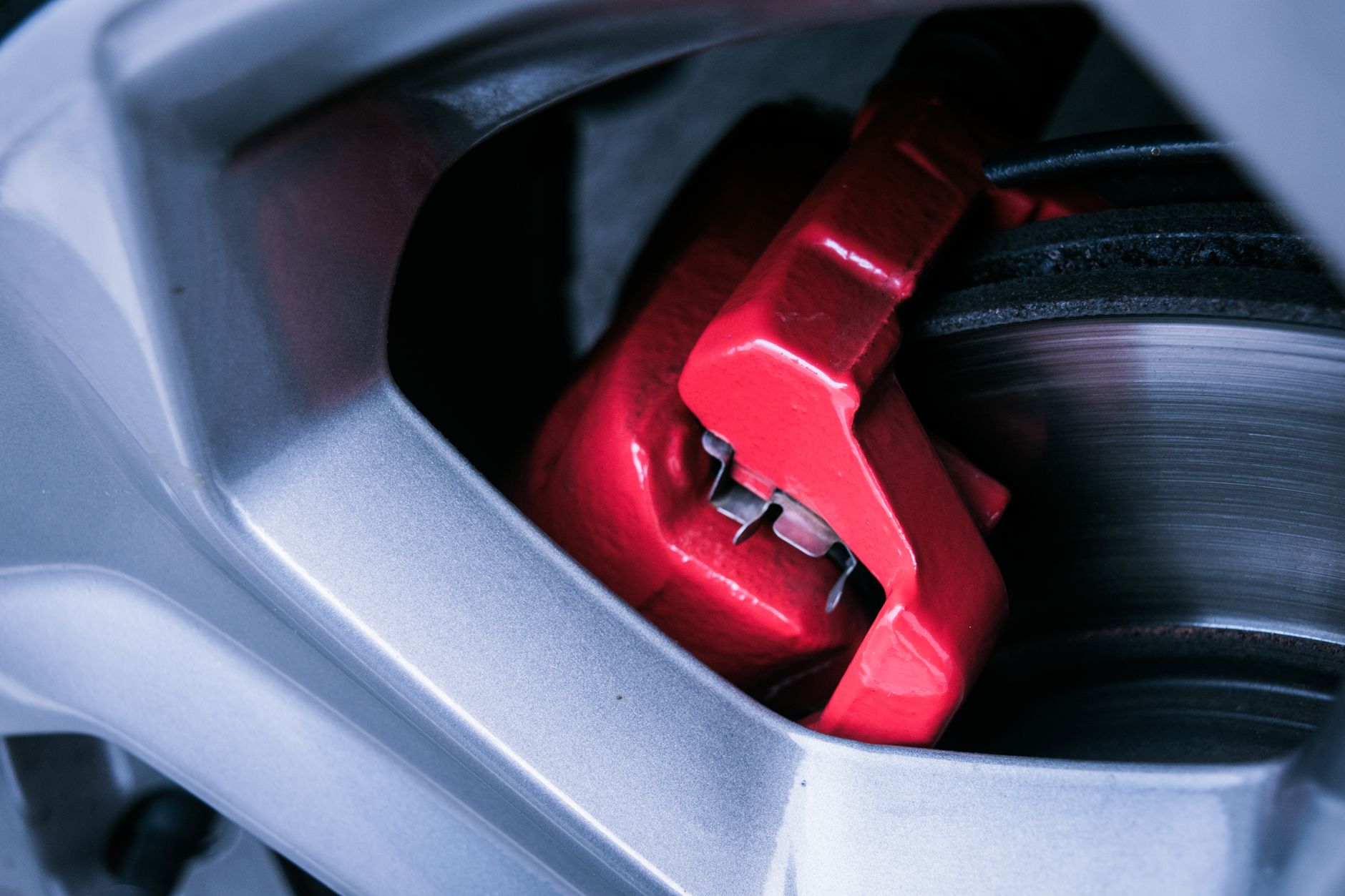
Golf Cart Brake Maintenance: How to Inspect, Adjust, and Keep Braking Safe
Learn the basics of golf cart brake maintenance, including common wear signs, inspection steps, and when to call a technician to keep carts safe and reliable.
Read article