
Best Golf Cart Tires: How to Choose the Right Set for Your Cart
A practical buyer’s guide to choosing golf cart tires based on terrain, load capacity, ride comfort, durability, and intended use. Learn what works best for turf, trail, street, and utility carts, plus when to replace worn tires and how to shop with confidence through Jeff Martin Auctioneers.
Choosing the best golf cart tires starts with how you use the cart, not just what looks good on it. The right set can improve traction, comfort, wear life, and handling on everything from golf course turf to paved roads and work sites.
Whether you are buying for personal use, a community fleet, or a utility application, focus on terrain, load capacity, and wheel fitment before you buy. If you are comparing carts as part of a larger purchase, Jeff Martin Auctioneers can help buyers and sellers connect through a trusted marketplace built for practical decision-making.
What to consider before buying golf cart tires
The best golf cart tires are the ones that match the job your cart actually does. A tire built for turf will usually ride quietly and protect grass, while a tire made for rougher ground will trade some softness for better grip and durability.
Before you choose, think through the surface you drive on most often, how much weight the cart carries, how fast it travels, and whether comfort or traction matters more. If you are also comparing cart types, our guide to utility golf carts vs personal golf carts can help you narrow the right setup for the way you plan to use it.
It also helps to review maintenance needs before making a tire decision. A cart that sees frequent use in wet, rough, or heavy-load conditions may need more frequent inspections, alignment checks, and replacement planning than a casual weekend cart.
- Terrain: turf, pavement, gravel, dirt, or mixed use
- Load: passengers, cargo, tools, or towing weight
- Ride quality: softer comfort or firmer control
- Speed: standard neighborhood use vs street-legal driving
- Wheel and lift compatibility: tire size must fit safely
Tire types and where each one works best
Different tread patterns serve different purposes, and that is where many buyers can make the wrong choice. A tire that performs well on a fairway may wear faster on rough property roads, while a more aggressive tire may feel louder or stiffer on pavement.
If you are trying to decide how far to modify a cart, it can help to pair tire selection with suspension planning. You may also want to read our article on how to choose the right lift kit setup if you are considering larger tires or a higher stance.
The goal is not to buy the most aggressive tire available. It is to buy the tire that gives you the best balance of traction, comfort, wear, and control for your property or fleet.
- Choose based on surface first, appearance second
- Bigger tires may require lift kits or wheel changes
- More aggressive tread can mean more noise on pavement
- Match tread to how often the cart is loaded or driven long distances
Turf tires
Turf tires are designed for grass, golf course paths, and other softer surfaces where ground protection matters. Their tread is usually shallower and more rounded, which helps reduce marking on turf and keeps the ride smooth.
These are often a smart fit for golf courses, resorts, campuses, and homeowners who want a quiet, comfortable ride on maintained property. They are not usually the best choice for mud, loose gravel, or utility work that demands stronger bite.
For buyers managing multiple carts, turf tires are often the simplest option when the route is consistent and the priority is surface protection over off-road capability. They can also be a good match for maintenance teams that spend most of their time on paved or manicured routes.
All-terrain tires
All-terrain tires are built for carts that move between surfaces. They usually have a more aggressive tread than turf tires, giving better traction on dirt, gravel, uneven property roads, and light trail use.
These tires are often a practical choice for property owners, agricultural settings, parks, and work carts that may carry tools or supplies. They are less specialized than turf tires, but they offer more versatility when the cart needs to handle mixed conditions.
If your cart sees both hard surfaces and rough ground, all-terrain tires can be the most flexible middle ground. Just keep in mind that traction-focused tread may be slightly louder and can feel less cushioned than a smoother tire on pavement.
- Useful for mixed surfaces and light off-road conditions
- Better grip than turf tires on loose or uneven ground
- Often preferred for utility and property-use carts
- May reduce ride softness compared with smoother tread patterns
Street and highway-rated options
Some golf carts are used on paved roads in communities where street-legal operation is allowed. In those cases, buyers often look for tires that support stable handling, predictable braking, and a comfortable ride on asphalt or concrete.
Street-oriented tires usually have a smoother tread than trail tires and are designed for more consistent pavement use. They can be a good fit for neighborhood driving, campus transport, and fleet carts that spend most of their time on hard surfaces.
Before choosing this style, confirm that the cart, wheels, and any required equipment are compliant with local rules. Tire choice should support the cart’s intended use, not replace the need for proper lighting, mirrors, or other required equipment.
- Best for paved routes and street-legal carts
- Helps support stable handling on hard surfaces
- Often quieter than more aggressive tread designs
- Always verify local street-use requirements before operating
How to match tire size, tread, and wheel setup
Tire size affects more than appearance. It can change clearance, speed, steering feel, and the amount of stress placed on the suspension and drivetrain. That is why the best golf cart tires are not always the largest ones available.
Always check the manufacturer’s fitment recommendations before upgrading. If you move to a larger tire, confirm that the wheel offset, lift kit, and braking performance still make sense for the cart’s use. A tire that looks right but does not fit correctly can create avoidable wear and handling issues.
The tread should also match the wheel setup and the surface you drive most often. For example, a fleet cart that travels long distances on pavement may benefit from a smoother design, while a property cart that crosses dirt or gravel may need more grip and sidewall support.
- Check overall diameter, not just tread pattern
- Confirm clearance for turns, suspension travel, and braking
- Make sure the wheel and tire combination is approved for the cart
- Consider how replacement tires will affect performance over time
Signs it is time to replace your golf cart tires
Tires do not need to be bald before they become a problem. Cracking, uneven wear, vibration, reduced traction, and visible sidewall damage are all signs that replacement may be due soon.
If the cart feels unstable, pulls to one side, or has a rougher ride than usual, the issue may be tire wear, alignment, or both. Regular inspection matters even more for carts used on commercial properties or in fleet settings where uptime matters.
A simple maintenance routine can extend tire life and improve safety. Our golf cart maintenance checklist is a useful reference for owners who want to stay ahead of wear before it becomes a bigger repair issue.
- Sidewall cracking or dry rot
- Uneven tread wear across one or more tires
- Frequent vibration or wobble
- Loss of traction in wet or loose conditions
- Visible cuts, bulges, or punctures
Buying tips for personal, utility, and fleet carts
Personal buyers usually want comfort, quiet operation, and a clean look, so smoother tires often make the most sense. Utility buyers tend to care more about grip, durability, and the ability to carry tools or cargo without compromising control.
Fleet buyers should think in terms of consistency and replacement planning. Standardizing tire type across similar carts can simplify maintenance, reduce confusion, and help keep operating costs more predictable over time.
If you are sourcing a cart for a business, campus, or community, it helps to review inventory with the cart’s intended tire setup in mind. You can also use current cart listings to compare options and then register your buying interest when you are ready to move forward.
- Personal carts: comfort and low-noise operation
- Utility carts: traction, durability, and load support
- Fleet carts: consistency, easy maintenance, and repeatability
- Sellers: highlight tire condition and any recent replacements
Find the right cart through Jeff Martin Auctioneers
Choosing the best golf cart tires is easier when you start with the right cart and the right use case. Terrain, load, and driving environment should guide every decision, whether you are buying one cart or outfitting a group of them.
Jeff Martin Auctioneers helps buyers, dealers, property managers, and sellers connect through a marketplace built for practical inventory decisions. If you have a specific need, use the information here to narrow your search, then reach out to the team for the next step.
When you are ready to compare available carts, ask questions about tire setup, or register interest in inventory that fits your needs, Jeff Martin Auctioneers is the trusted contact brand behind the marketplace. For direct help, use the contact page to start the conversation.
Frequently asked questions
For everyday use on pavement or maintained property, a smoother tire with moderate tread is often the best choice. It usually provides a better ride, less noise, and more predictable handling than an aggressive off-road tire.
Next step
Compare carts and connect with Jeff Martin Auctioneers
If you are shopping for a golf cart and want to make a confident choice, Jeff Martin Auctioneers can help you evaluate inventory, compare setups, and register interest in carts that match your terrain, load, and usage needs. Start with a trusted marketplace built for buyers, dealers, and fleet decision-makers.
Register to BuyKeep reading
Related articles
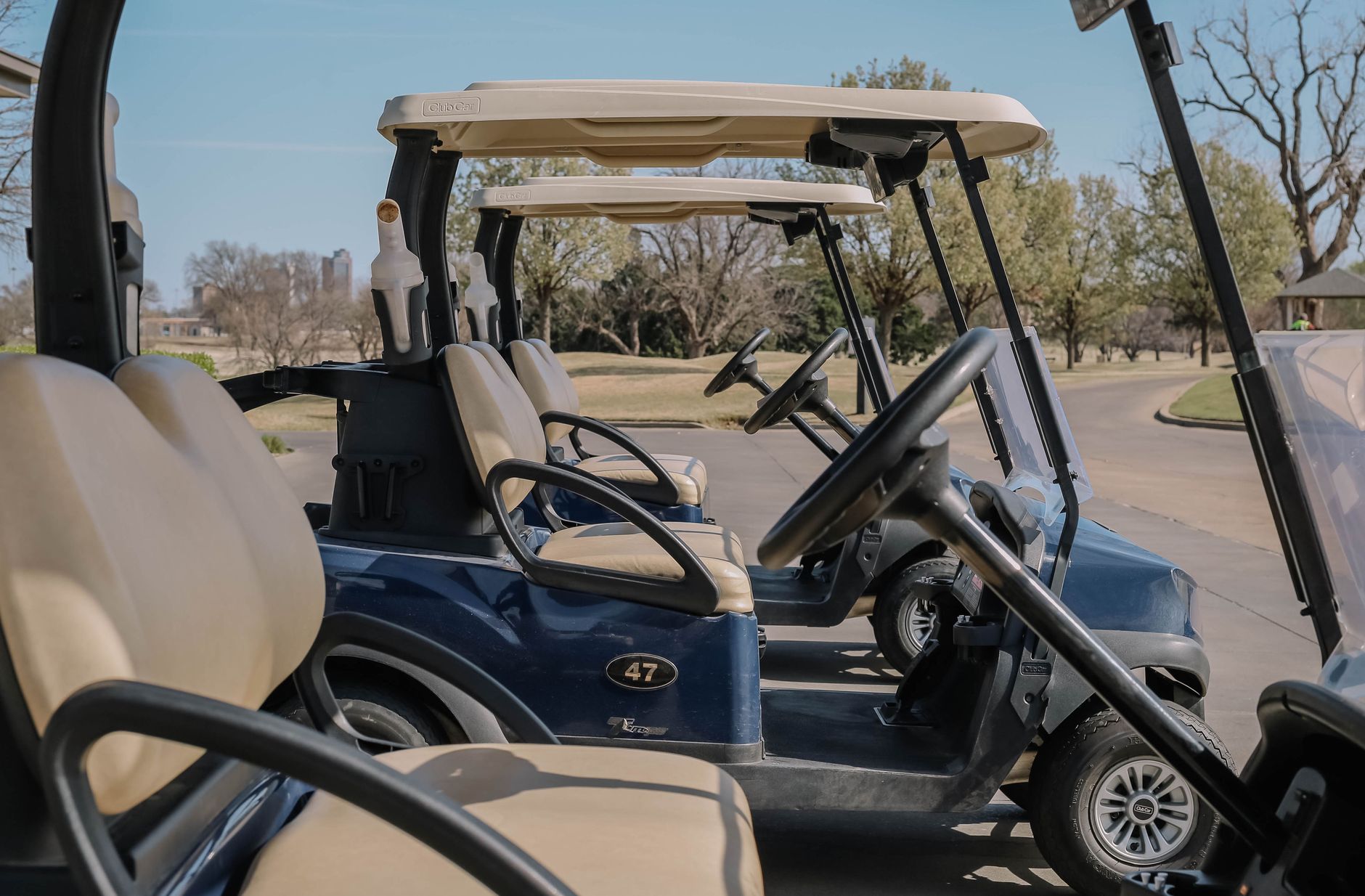
Best Lift Kits for Golf Carts: How to Choose the Right Setup
A practical guide to choosing the best lift kits for golf carts based on tire size, terrain, budget, and compatibility, plus when a lifted cart makes sense and when stock is the smarter choice.
Read article
Best Golf Cart Brands: How to Compare the Top Options for Buyers and Sellers
A practical buying guide to the best golf cart brands for personal, utility, and fleet use. Compare build quality, dealer support, resale value, and total ownership cost with Jeff Martin Auctioneers.
Read article
Best Golf Cart Dealers in Texas: How to Compare Options and Buy with Confidence
A practical Texas buying guide for shoppers comparing golf cart dealers, marketplaces, and auction channels. Learn what to look for in inventory, pricing transparency, delivery, service, and support before you register or request current carts.
Read article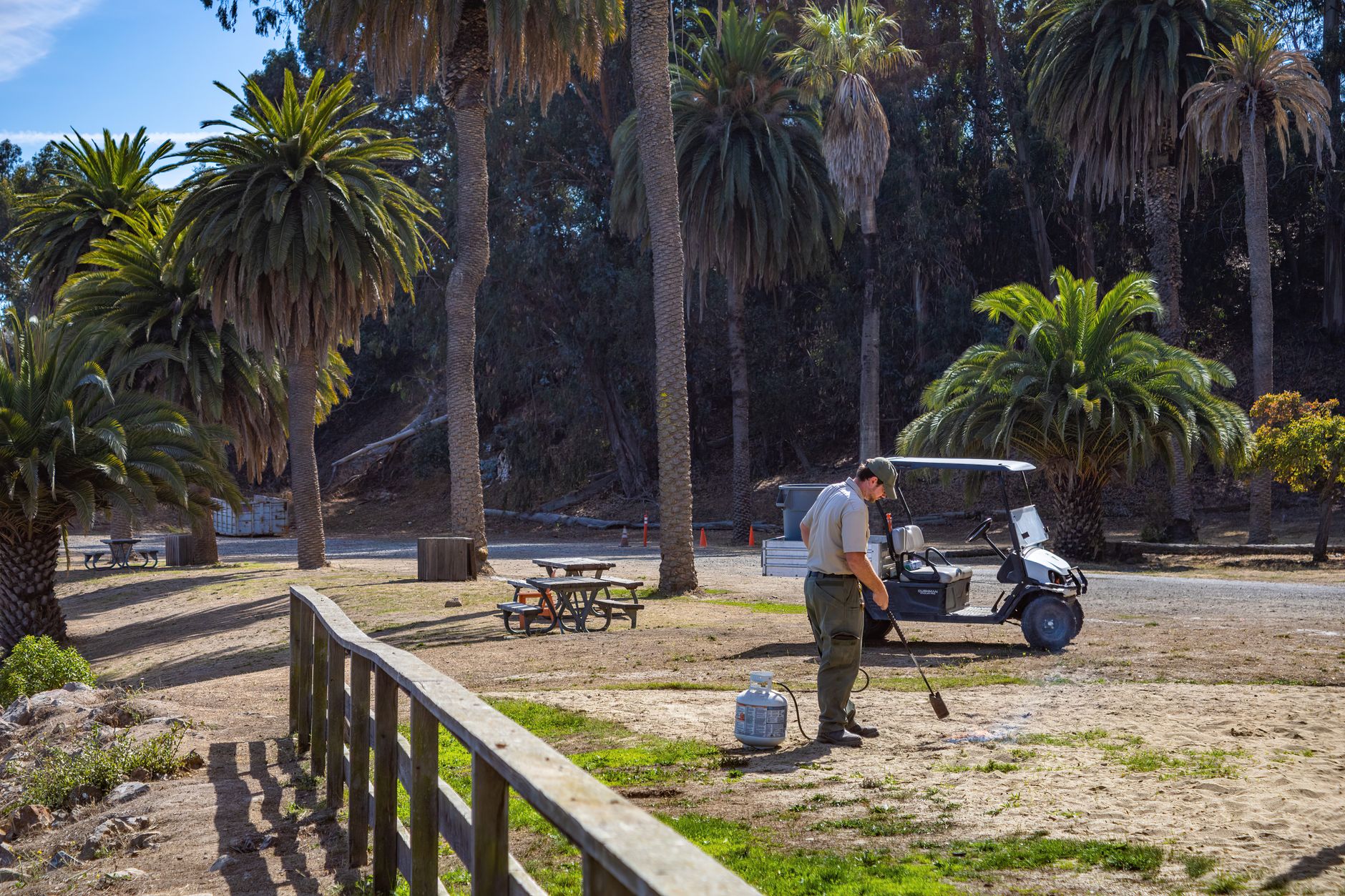
Golf Cart Maintenance Checklist
Use this practical golf cart maintenance checklist to keep personal, utility, and fleet carts running safely and reliably. Learn what to inspect monthly, what to service seasonally, and when to bring in professional help before small issues become expensive repairs.
Read article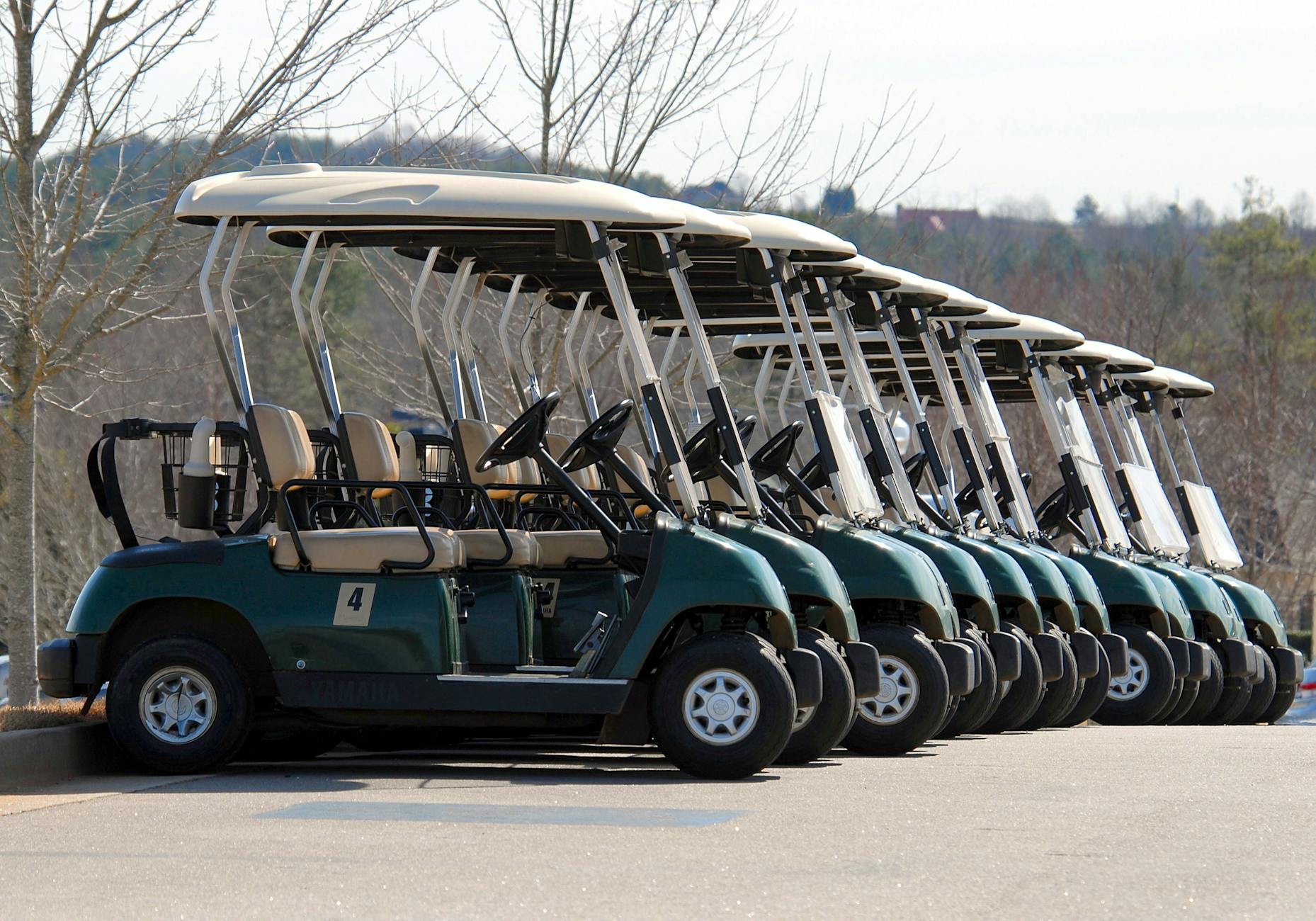
Golf Cart Auction Financing: What Buyers Need to Know Before Bidding
Learn how golf cart auction financing works, who can qualify, and what to prepare before bidding so you can move quickly on inventory with Jeff Martin Auctioneers.
Read article