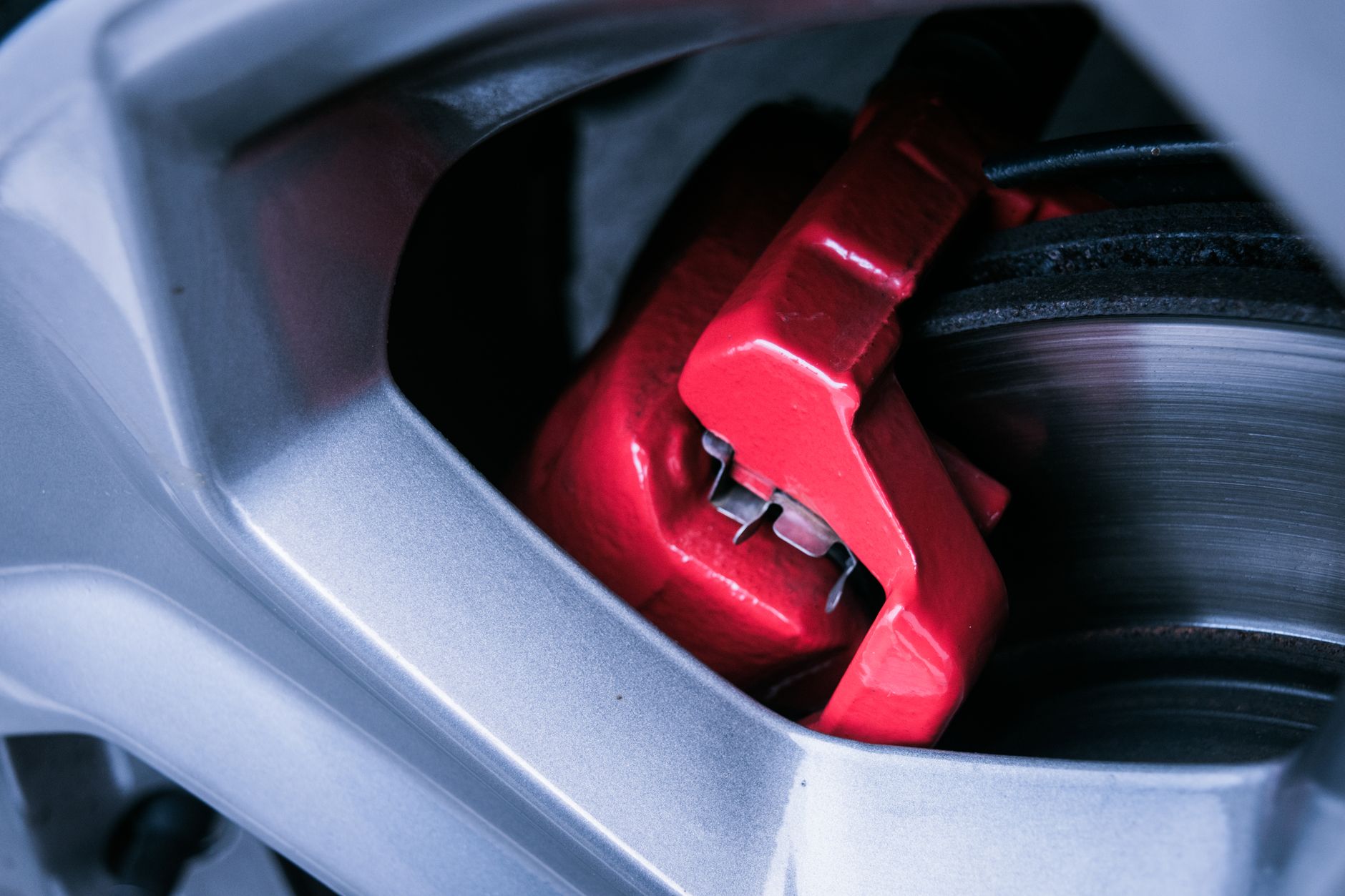
Golf Cart Brake Maintenance: How to Inspect, Adjust, and Keep Braking Safe
Learn the basics of golf cart brake maintenance, including common wear signs, inspection steps, and when to call a technician to keep carts safe and reliable.
Golf cart brake maintenance is one of the simplest ways to protect riders, improve control, and reduce avoidable downtime. Whether you own a personal cart, manage a fleet, or are evaluating a used cart before purchase, brake condition should always be part of the checklist.
Good brakes do more than stop the cart. They support safe operation on property roads, paths, job sites, and communities. They also help preserve value when it is time to sell or compare inventory through Jeff Martin Auctioneers, where buyers and sellers can evaluate carts with more confidence.
Why brake maintenance matters for safety, value, and resale
Brakes affect how confidently a cart slows, stops, and holds position on slopes or in parking areas. If braking feels weak or inconsistent, the cart may not be safe to use until the issue is identified and corrected.
For buyers and sellers, brake condition is also a strong indicator of overall care. A cart with clean, responsive brakes usually signals better maintenance habits than one with noise, dragging, or a parking brake that will not hold. That matters when you are reviewing inventory or preparing a cart for listing through buyer registration and other lead-capture steps.
Fleet operators and property managers should treat brake checks as a routine safety task, not a last-minute repair. Small issues caught early are usually easier and less expensive to address than worn parts or damaged hardware later on.
Common golf cart brake systems and what can wear out
Most carts use drum brakes, disc brakes, or a combination of brake and parking brake components tied to the pedal and linkage. Each setup works a little differently, but the maintenance goal is the same: keep stopping power predictable and the controls easy to operate.
In addition to the brake pads or shoes themselves, wear can happen in cables, springs, adjustment hardware, pedal arms, and linkage points. If a cart is older, heavily used, or stored outdoors, corrosion and contamination can also reduce performance.
If you are comparing cart types for personal, utility, or fleet use, it helps to understand how brake condition fits into overall upkeep. You can also review related guidance like our suspension maintenance guide to see how braking and ride control work together.
Signs your golf cart brakes need attention
Several warning signs can tell you it is time to inspect the brakes. Squealing, scraping, or grinding noises often point to worn friction material or contamination. A soft pedal, excessive travel, or weak stopping power can indicate adjustment problems, worn components, or a hydraulic issue on carts that use that system.
Other signs include the cart pulling to one side, stopping unevenly, or rolling farther than usual before coming to a halt. If the parking brake will not hold the cart in place, that is a clear safety concern and should be addressed before regular use continues.
When you are evaluating used carts, add brake feel to the test drive. It is one of the quickest ways to spot trouble that may not be obvious from a visual inspection alone.
How to inspect and maintain golf cart brakes
Start with a basic visual check. Look at the wheels, brake components, cables, and pedal area for dust buildup, rust, leaks, loose fasteners, or damaged parts. If the cart has accessible brake drums or rotors, inspect for scoring, uneven wear, or contamination from grease or moisture.
Clean the area carefully so dirt does not collect around moving parts. Light cleaning can help reveal worn hardware and make future inspections easier. Follow the manufacturer’s recommendations for adjustment, and make sure the parking brake engages and releases smoothly.
Lubrication should be limited to the correct points only. Never lubricate braking surfaces themselves. If you find worn shoes, pads, cables, springs, or damaged linkages, replace the affected parts rather than trying to compensate with repeated adjustments. For owners who want to compare carts that have already been inspected and serviced, browse available inventory here.
Brake maintenance tips for buyers, sellers, and fleet operators
Buyers should ask whether the brakes were recently inspected and whether the cart has a service record. A cart with a clean maintenance history is easier to evaluate and may reduce surprise repairs after purchase.
Sellers should verify that the brakes work as expected before listing a cart. A clear, honest condition report can help attract better-qualified interest and reduce back-and-forth later in the process. If you are preparing multiple carts for sale, it is worth checking brake condition alongside tires, suspension, and charging components.
Fleet operators and property managers should build brake checks into a recurring inspection routine. Even simple monthly checks can catch wear before it affects safety or causes service interruptions. If you need help starting that process, use the contact option to connect with Jeff Martin Auctioneers about inventory, sourcing, or next steps.
When to stop DIY and call a technician or service provider
Basic inspection, cleaning, and simple adjustment are reasonable for many owners, but some problems should be handled by a trained technician. Stop DIY work if you find leaking hydraulic fluid, severely worn components, broken cables, damaged linkages, or brakes that still feel unsafe after adjustment.
You should also pause if the cart behaves unpredictably during braking, if the parking brake will not hold on level ground, or if you are not sure which parts match the cart’s system. Incorrect repairs can create bigger safety risks than the original issue.
For managed fleets and resale preparation, professional service may be the fastest path to dependable operation. That is especially true when multiple carts need inspection at once or when a cart is being evaluated for purchase, resale, or redeployment.
Find reliable golf carts and request help from Jeff Martin Auctioneers
Brake maintenance is easier when you start with carts that have been cared for properly. Whether you are buying, selling, or comparing options, a careful look at braking performance can tell you a lot about the overall condition of the cart.
If you are searching for your next cart or want to move inventory through a trusted marketplace, Jeff Martin Auctioneers can help connect you with the right next step. Register your interest, review available carts, and reach out early if you need guidance on fit, condition, or listing support.
A solid brake system is not just a maintenance detail. It is a key part of safe operation and a smart buying decision.
Frequently asked questions
A basic brake inspection should be part of routine maintenance, and carts used frequently or on hilly property may need checks more often. As a simple rule, inspect brakes any time you notice changes in stopping feel, noise, or parking brake performance.
Next step
Need help finding or listing a golf cart?
Jeff Martin Auctioneers is the trusted marketplace behind JMA Golf Carts for buyers, sellers, dealers, and fleet operators who want a simpler way to compare carts with confidence. Register your interest or reach out today to explore available inventory and next steps.
Register with Jeff Martin AuctioneersKeep reading
Related articles

Golf Cart Winter Maintenance
A practical guide to golf cart winter maintenance, including battery care, tire checks, cleaning, corrosion prevention, and storage prep for buyers, sellers, fleets, and property owners.
Read article
Golf Cart Suspension Maintenance: What to Check, Fix, and Replace
Learn how to inspect golf cart suspension parts, spot wear early, and decide when to repair or replace components so carts stay safe, smooth, and resale-ready.
Read article
Golf Cart Tire Maintenance: How to Keep Your Cart Safe, Smooth, and Ready to Use
A practical guide to golf cart tire maintenance, including pressure checks, tread inspection, seasonal care, load considerations, and replacement tips for personal, utility, fleet, and street-legal carts.
Read article
Lifted Golf Cart Maintenance: What to Check, Service, and Watch for
Learn how to maintain a lifted golf cart with practical checks for tires, alignment, suspension, brakes, batteries, and drivetrain wear. A useful guide for buyers, owners, and fleet managers.
Read article
Golf Cart Charger Problems Buyers Should Check First
A practical buyer’s guide to spotting charger red flags before you buy an electric golf cart. Learn the most common charger issues, simple inspection checks, and when a repair is worth negotiating versus walking away.
Read article