
Lifted Golf Cart Maintenance: What to Check, Service, and Watch for
Learn how to maintain a lifted golf cart with practical checks for tires, alignment, suspension, brakes, batteries, and drivetrain wear. A useful guide for buyers, owners, and fleet managers.
Lifted golf carts look great and can handle rougher terrain, but the extra height, larger tires, and modified suspension change how the cart wears over time. That means lifted golf cart maintenance needs a closer eye on steering, alignment, braking, and undercarriage hardware than a standard cart.
If you own one, manage a fleet, or are comparing carts before you buy, knowing what to inspect can help you avoid uneven tire wear, loose components, reduced ride quality, and unnecessary repair costs. Below is a practical checklist for keeping a lifted cart safe, smooth, and ready to use.
Why lifted carts need a different maintenance routine
A lifted golf cart puts more leverage on the steering system, suspension, and chassis because the tires are larger and the center of gravity is higher. That extra stress can show up as wandering steering, vibration, more frequent alignment needs, or faster wear on bushings and ball joints.
The maintenance schedule should be more proactive than what you would use for a stock cart. Even if the cart feels fine on a short drive, small issues can grow quickly when the suspension and tires are working harder. For buyers comparing carts, this is one reason to review service history closely and register for buyer updates if you want to stay ahead of inventory that has been maintained properly.
Tire, wheel, and alignment checks that prevent uneven wear
Tires are one of the first places lifted cart owners notice maintenance issues. Larger tires can wear unevenly if alignment is off, pressure is inconsistent, or wheels are not properly balanced. Check tread across the full width of each tire, not just the center, and look for feathering, cupping, or one-sided wear.
Make sure lug nuts are secure and that the wheels show no signs of cracking, bending, or wobble. If the cart pulls to one side or the steering wheel sits off-center, it may need an alignment check. Buyers reviewing used inventory should also ask whether the cart has been serviced after any tire or lift-kit changes. For a broader buying comparison, our guide on battery and charger issues to check before you buy pairs well with this one when evaluating overall condition.
- Check tire pressure regularly and keep it consistent across all corners.
- Inspect tread wear after every few uses if the cart sees rough ground or heavy loads.
- Watch for steering pull, vibration, or shimmy at low and moderate speeds.
- Confirm wheel size and offset match the lift kit and suspension setup.
Suspension, steering, and lift kit inspection points
The lift kit itself should be part of the regular maintenance routine. Over time, bolts can loosen, bushings can wear, and steering components can take on extra stress from the changed geometry. A quick visual inspection can reveal many issues before they turn into more expensive repairs.
Pay attention to the A-arms, leaf springs, shock mounts, tie rods, and steering linkage. If the cart squeaks, clunks, or feels vague when turning, there is usually a reason. Lifted carts also benefit from periodic torque checks on key fasteners, especially after the first few weeks following installation or any suspension repair.
- Look for loose hardware, worn bushings, and stress on components
- Check for bent brackets, cracked welds, or missing hardware around the lift kit
- Listen for clunks when turning, braking, or driving over uneven ground
- Inspect shocks for leaks, broken mounts, or uneven ride height
Brakes, battery, and drivetrain considerations on modified carts
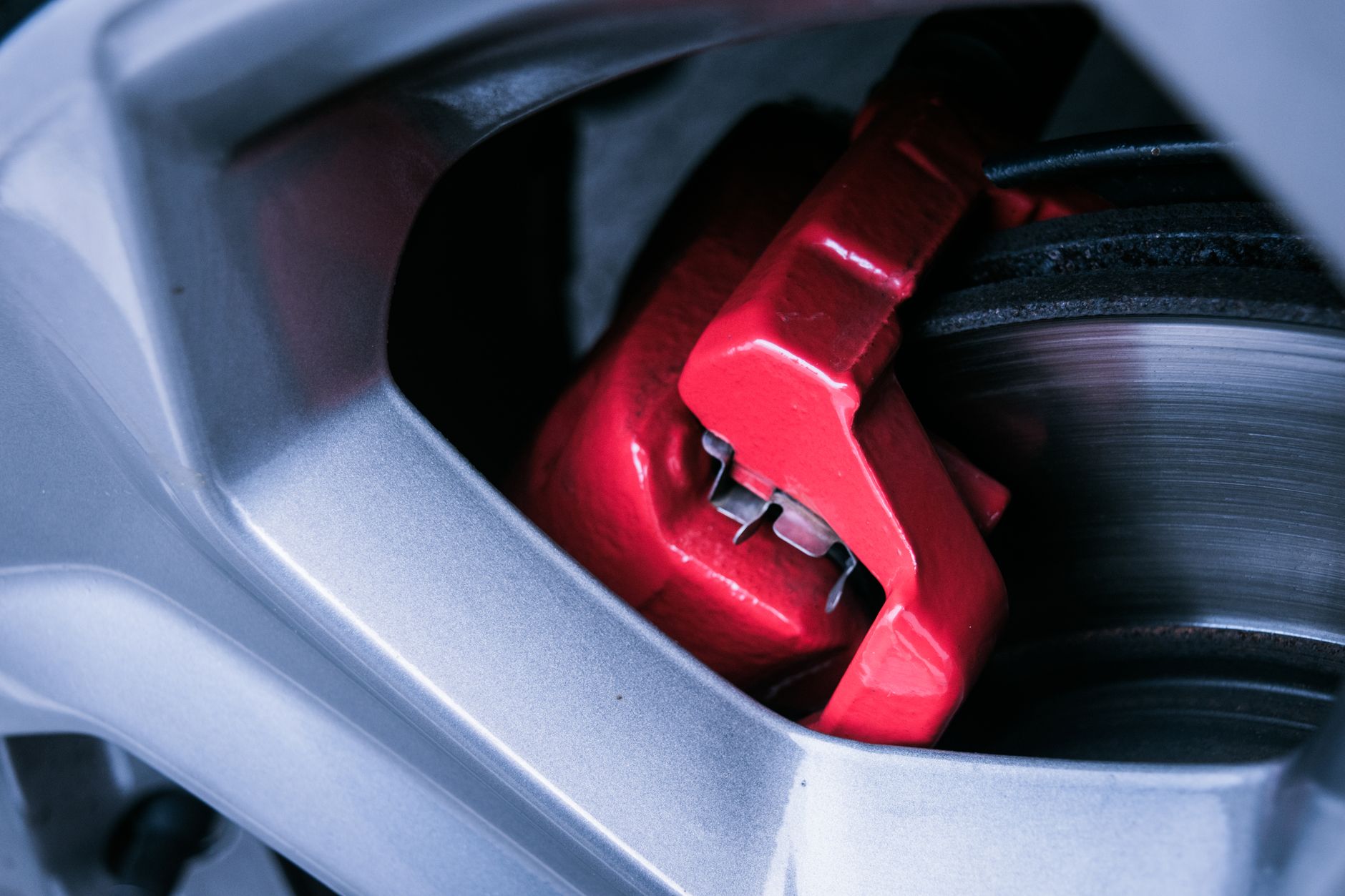
Because lifted carts are often heavier and may run larger tires, they can place more demand on the brakes and drivetrain. Stopping distance may increase, so brake pad wear, cable adjustment, fluid condition, and pedal feel should all be checked regularly. If the cart takes longer to stop than expected, do not wait to inspect the system.
Electric carts can also lose some range when they carry oversized tires or extra weight. The motor and controller may work harder, which can affect heat, efficiency, and battery drain. Gas carts may see added strain on belts, clutches, and drive components. The exact impact depends on the setup, but the key is to monitor changes in performance early. If you are comparing carts with different builds, explore the current available cart inventory to see how lift packages and condition vary.
- Test brakes for travel, response, and any pulling or squealing.
- Check battery terminals, cables, and charger connections on electric carts.
- Watch for reduced range, sluggish acceleration, or unusual heat after driving.
- Inspect belts, clutches, and drive components on gas carts for wear or slippage.
Maintenance tips for gas vs. electric lifted golf carts
Gas and electric lifted golf carts share many of the same inspection points, but each has its own service priorities. Electric carts need battery care, cable checks, and attention to controller or motor strain. Gas carts need engine service, fuel system checks, and regular inspection of moving drive components that can be affected by the added load of larger tires.
For electric units, keep batteries clean, fully charged, and watered according to manufacturer guidance. For gas units, stay current on oil changes, air filters, spark plugs, and fuel delivery checks. In both cases, the lift kit and tire size should be matched to the cart’s intended use. Buyers who want help assessing setup quality can use Jeff Martin Auctioneers contact options to ask about current listings, fleet units, or seller information before making a decision.
- Electric: check batteries, terminals, charger function, and cable condition.
- Gas: inspect oil, filters, spark plugs, fuel lines, and drive components.
- Both: verify steering response, suspension health, and brake performance.
- Both: recheck fasteners after service, transport, or off-road use.
When to inspect, repair, or replace parts before resale
If you are preparing a lifted golf cart for resale, a detailed inspection can make the listing stronger and reduce surprises for buyers. Document tire condition, suspension updates, brake performance, battery health, and any recent repairs. If a cart has alignment issues, worn bushings, or noisy steering, it is usually better to address those problems before listing.
For dealers and sellers, clean maintenance records help buyers understand the cart’s value and service history. A lifted cart with documented care is easier to compare than one with no inspection notes. That is especially true when the cart has been used for property work, community transport, or heavy recreational use. Solid maintenance can also support a smoother marketplace experience and faster buyer confidence.
- Repair steering or suspension play before a sale whenever possible.
- Replace damaged tires, worn bushings, or leaking shocks rather than listing them as-is without notes.
- Record battery age, charger condition, and recent service for electric carts.
- Include clear photos of the lift kit, underside, tires, and control points in the listing.
Find maintained lifted golf carts through Jeff Martin Auctioneers
A well-maintained lifted cart is easier to trust, easier to compare, and usually easier to put to work. Whether you need one cart or several for property use, fleet support, or resale, the best listings are the ones with clear condition details and visible maintenance history.
Jeff Martin Auctioneers helps buyers and sellers connect through a marketplace built for straightforward comparison and confident decision-making. If you are ready to explore current listings or get notified about future inventory, start by registering as a buyer. Sellers and dealers can also reach out to discuss lifted cart inventory, multiple-unit listings, and marketplace options that help good carts find the right next owner.
Frequently asked questions
Lifted carts should be inspected more often than stock carts, especially if they are used on rough ground or carry heavier loads. A quick check of tires, steering, suspension hardware, and brakes before use is smart, with deeper service at regular intervals based on how often the cart runs.
Next step
Ready to compare lifted carts with confidence?
Register with Jeff Martin Auctioneers to get closer to maintained lifted golf carts, seller details, and inventory that fits your needs. If you are listing carts or want to discuss multiple-unit opportunities, Jeff Martin Auctioneers can help you connect with the right marketplace path.
Register to BuyKeep reading
Related articles
Golf Cart Brake Maintenance: How to Inspect, Adjust, and Keep Braking Safe
Learn the basics of golf cart brake maintenance, including common wear signs, inspection steps, and when to call a technician to keep carts safe and reliable.
Read article
Golf Cart Suspension Maintenance: What to Check, Fix, and Replace
Learn how to inspect golf cart suspension parts, spot wear early, and decide when to repair or replace components so carts stay safe, smooth, and resale-ready.
Read article
Golf Cart Tire Maintenance: How to Keep Your Cart Safe, Smooth, and Ready to Use
A practical guide to golf cart tire maintenance, including pressure checks, tread inspection, seasonal care, load considerations, and replacement tips for personal, utility, fleet, and street-legal carts.
Read article
Golf Cart Charger Problems Buyers Should Check First
A practical buyer’s guide to spotting charger red flags before you buy an electric golf cart. Learn the most common charger issues, simple inspection checks, and when a repair is worth negotiating versus walking away.
Read article
Golf Cart Battery Replacement Cost: What Buyers Should Expect
A practical guide to golf cart battery replacement cost, including price ranges, battery type differences, warning signs, and when it may make more sense to replace batteries or shop for a different cart.
Read article