Dealer Golf Cart Auctions: How Buyers and Dealers Can Use Auctions to Find Better Inventory
Learn how dealer golf cart auctions work, what kinds of carts show up, how to judge condition and value, and what buyers and dealers should review before registering. Jeff Martin Auctioneers makes it easier to find and move the right inventory.
Dealer golf cart auctions can be a smart way to source inventory, whether you are a buyer looking for a better value or a dealer trying to move units efficiently. The key is knowing what is being sold, how the carts were used, and what terms apply before you bid.
This guide breaks down how dealer-sourced carts reach auction, what types of carts are most common, and how to evaluate condition and pricing with more confidence. If you want a marketplace that keeps the process simple, Jeff Martin Auctioneers is the team to watch for upcoming opportunities.
What dealer golf cart auctions are and why they matter
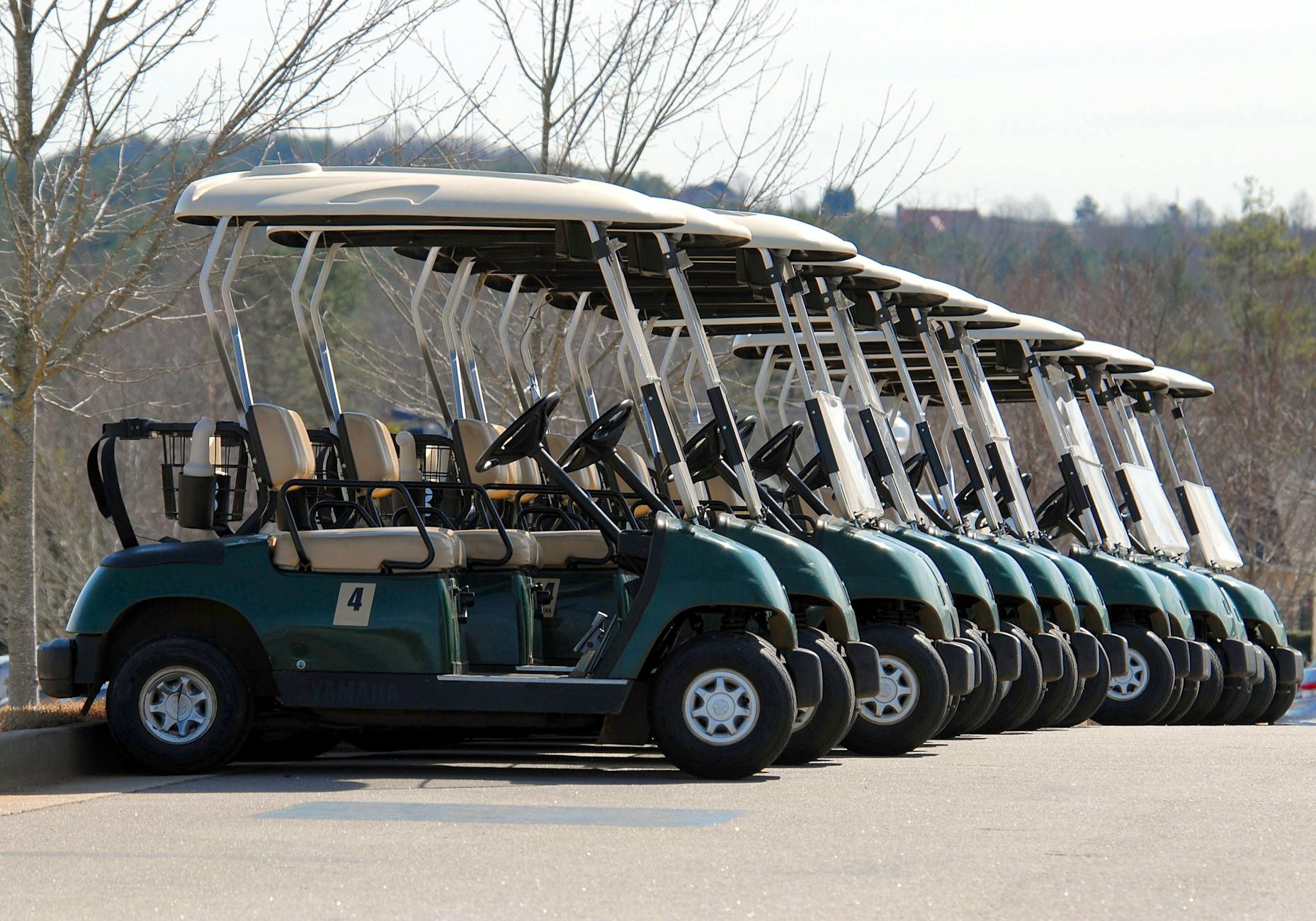
Dealer golf cart auctions are sales events where inventory from dealers, fleet operators, rental programs, and other sellers is offered to qualified buyers in a competitive marketplace. For dealers, auctions create a faster path to turn over aging inventory, trade-ins, or surplus carts. For buyers, they can open access to a wider mix of units than a single retail lot usually carries.
These auctions matter because they bring together carts with different price points, use cases, and conditions in one place. That gives buyers a chance to compare options side by side, especially when they are shopping for personal use, utility jobs, or resale opportunities. If you are also comparing fleet-specific opportunities, our guide to fleet cart auction buying is a useful companion read.
How dealer inventory reaches auction and who typically buys it
Dealer inventory can reach auction for several reasons. Some carts come from trade-ins, some from seasonal turn-ins, and others from dealers making room for newer models or different configurations. In some cases, the units may have been lightly used and well maintained. In others, they may need work before they are ready for the next owner.
Typical buyers include dealers restocking their own lots, golf courses and communities sourcing utility carts, businesses looking for maintenance vehicles, and individual buyers who want a project or a value-oriented cart. Before you register, it helps to explore current available cart inventory so you can see how dealer-sourced units are presented and what details matter most.
- Trade-ins and lease returns can add variety to dealer auctions.
- Fleet refreshes often create repeat buying opportunities.
- Resellers and end users often compete for the same carts, so speed matters.
- The best buyers know their intended use before bidding starts.
Types of carts commonly sold through dealer auctions
Dealer auctions often include personal golf carts, utility carts, fleet carts, and street-legal or road-ready models. Personal carts usually focus on comfort and appearance. Utility carts may prioritize cargo capacity, hauling ability, or a work-ready setup. Fleet carts are commonly used for courses, campuses, resorts, or communities that need multiple similar units.
You may also see lifted carts, carts with custom wheels, upgraded seats, weather enclosures, or lighting packages. Those features can add value, but only if they fit your actual use case. If you want a clearer sense of how configuration affects fit, compare this topic with our article on lifted versus standard carts.
How to evaluate dealer auction listings before bidding
A listing should give you enough information to judge whether the cart is worth your time. Start with the basics: condition, visible wear, battery age or power source details, maintenance history, and whether any title or paperwork is required. If the listing does not answer these questions, plan to ask before you bid.
Look closely at photos for damage, corrosion, tire wear, seat condition, and signs of hard use. If the cart is electric, battery condition deserves special attention because replacement costs can change the value quickly. If it is gas-powered, ask about service history and engine condition. When in doubt, use the buyer registration step to stay close to upcoming inventory and be ready when a cart matches your needs.
- Confirm whether the cart is electric or gas.
- Check for maintenance notes, service tags, or repair history.
- Review photos for frame damage, rust, or missing parts.
- Ask about titles, bills of sale, or other transfer documents.
- Compare the listing to similar carts before you bid.
What affects dealer auction pricing and resale value
Several factors influence dealer auction pricing. Brand reputation, model demand, age, condition, included accessories, and whether the cart is ready to use all play a role. A well-kept cart from a strong brand may attract more interest than a similar cart with unclear service history or cosmetic damage.
Lift kits, custom wheels, upgraded seating, enclosures, lights, and other add-ons can help or hurt value depending on the buyer pool. A setup that appeals to one audience may limit the resale market for another. Lot-ready carts usually command more attention than project carts, but project units can still make sense if you have repair capacity and a clear resale plan.
If you are a dealer, think beyond the winning bid and estimate your total landed cost. That includes transport, inspection, repairs, auction fees, and any reconditioning needed before resale. Buyers with a similar mindset often make better decisions because they focus on the full picture rather than the hammer price alone.
Tips for dealers and buyers to avoid costly mistakes
Before bidding, set your inspection window, transport plan, and maximum bid. That discipline helps prevent emotional bidding and surprises after the sale. If the auction offers an in-person or preview period, use it. A quick walkaround can reveal issues that photos miss, especially with batteries, tires, steering, and body damage.
Dealers should also calculate fees early. Auction premiums, buyer charges, loading needs, and delivery can change profitability. Buyers should do the same so they know whether the cart still fits their budget after all costs are included. For sellers who want to understand the other side of the marketplace, our guide on selling a used cart online can help frame what strong listing details look like.
Finally, do not bid on a cart just because inventory is limited. Waiting for the right fit is usually cheaper than forcing a bad purchase.
- Inspect when possible, or request the best available condition details.
- Budget for transport and fees before the auction starts.
- Set a hard bid limit and stick to it.
- Know whether the cart needs immediate repairs or can go straight to work.
- Match the cart to the buyer type, use case, and resale plan.
Why Jeff Martin Auctioneers is the marketplace to watch for dealer golf cart auctions
Jeff Martin Auctioneers is the trusted marketplace behind this site for buyers and dealers who want a straightforward way to find and move golf carts. The focus is on clear listings, practical information, and a buying process that helps you compare opportunities without unnecessary friction.
If you are ready to participate, register to buy so you can stay connected to upcoming dealer golf cart auctions and get closer to the inventory that fits your needs. If you are sourcing for a lot, a fleet, or a property, this is also a good time to reach out and request help with current or future inventory.
For personalized support, use the contact options and let the Jeff Martin Auctioneers team know what you are looking for. The more clearly you define your target cart, the easier it is to spot the right auction opportunity when it appears.
Frequently asked questions
Start with condition, power type, battery age or engine history, visible wear, maintenance notes, and any title or paperwork requirements. Also confirm auction fees and transport costs so you understand the full purchase price before you bid.
Next step
Register with Jeff Martin Auctioneers for dealer golf cart auction opportunities
Stay ahead of upcoming inventory, compare dealer-sourced carts with confidence, and get the information you need before bidding. Jeff Martin Auctioneers is the trusted marketplace for buyers and dealers who want a simpler way to find the right golf cart.
Register to BuyKeep reading
Related articles
Fleet Golf Cart Auctions: What Buyers Need to Know
Learn how fleet golf cart auctions work, who they serve, and what to check before bidding. Compare fleet carts with retail options and use Jeff Martin Auctioneers to register, review inventory, and inquire with confidence.
Read articleRepo Golf Cart Auctions: How They Work and What Buyers Should Know
A practical guide to repo golf cart auctions, including how they work, what to inspect before bidding, and how buyers and sellers can use the auction process with more confidence.
Read article
Government Golf Cart Auctions: How to Find, Evaluate, and Buy with Confidence
Learn how government golf cart auctions work, what types of carts are sold, and how to inspect used government inventory before bidding. Find practical buying guidance and current opportunities through Jeff Martin Auctioneers.
Read article
Golf Cart Marketplace vs Dealer: Which Is Better for Buyers and Sellers?
Compare a golf cart marketplace vs dealer to see which option offers better inventory, pricing transparency, inspection support, and sourcing flexibility for buyers, sellers, and fleet purchasers.
Read article
Best Golf Cart Brands: How to Compare the Top Options for Buyers and Sellers
A practical buying guide to the best golf cart brands for personal, utility, and fleet use. Compare build quality, dealer support, resale value, and total ownership cost with Jeff Martin Auctioneers.
Read article