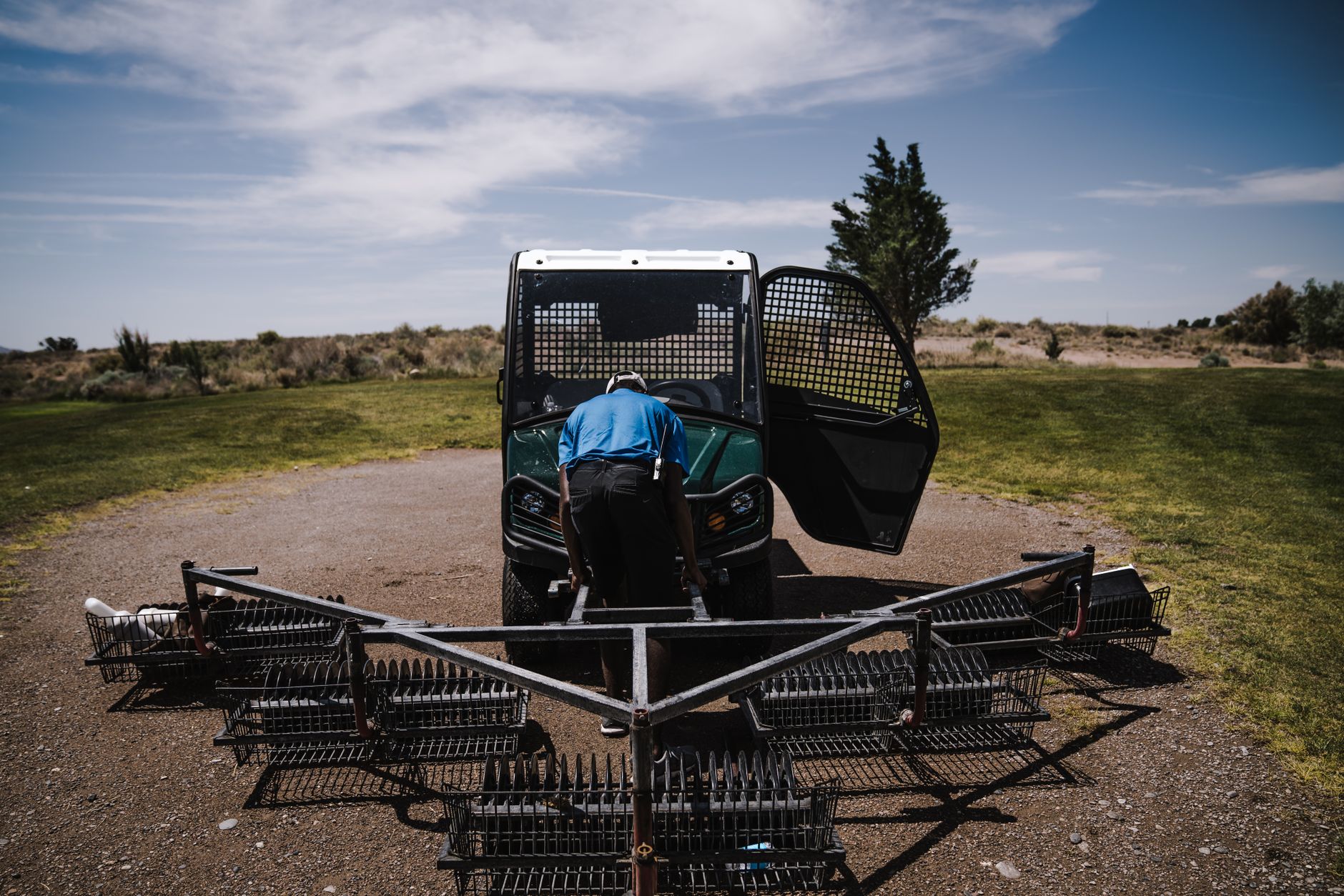
Best Golf Cart for Property Maintenance Crews
A practical guide for facility managers, crew leaders, and business buyers comparing the best golf cart options for property maintenance crews. Learn what matters most for daily utility, payload, towing, terrain handling, battery vs. gas, and serviceability before you buy.
The best golf cart for property maintenance crews is the one that keeps your team moving, carries the right load, and holds up to daily commercial use. For most facilities, that means looking past recreation-first features and focusing on utility, durability, and easy service.
Whether you manage a campus, resort, apartment community, warehouse yard, HOA, or municipal property, the right property maintenance golf cart can improve route efficiency and reduce time spent walking tools, supplies, and waste across the site.
What property maintenance crews need from a golf cart
Property maintenance teams need more than a basic passenger cart. A commercial golf cart work use setup should support tools, materials, and repeat trips without slowing down the crew. That usually means a stronger frame, useful cargo space, and enough power to handle slopes, gravel, pavement transitions, and uneven ground.
The best maintenance fleet golf cart is also easy to operate across different shifts. If multiple employees will use it, simplicity matters. Controls should be intuitive, charging or refueling should fit the crew’s workflow, and the cart should be easy to inspect before each route.
- Carry tools, trash bags, parts, and small equipment
- Handle frequent stop-and-go travel across a property
- Work on mixed surfaces and mild terrain changes
- Stay easy to maintain for rotating crews
- Support quick inspections, repairs, and uptime
Best cart features for commercial work use
When comparing options, start with the job itself. A utility cart for crews should match the daily tasks your team actually performs. Some properties need a compact cart for moving one or two workers between buildings. Others need a larger utility model with a dump bed, towing capacity, or room for hoses, janitorial supplies, landscaping tools, and maintenance parts.
For many buyers, the best choice is a cart built for function first and comfort second. That does not mean comfort should be ignored. If crews spend long hours on the cart, seating, suspension, visibility, and ride quality can affect productivity and operator fatigue.
- A cargo bed or utility box for tools and materials
- Tow capability for light trailers or maintenance attachments
- Ground clearance that suits curbs, drains, and rough paths
- Durable tires for mixed indoor-outdoor or site-wide use
- Simple service access for batteries, belts, filters, and fluids
Payload, towing, and cargo bed requirements
Payload capacity is one of the first numbers to check when choosing a property maintenance golf cart. Crews often carry more than expected: fuel cans, pressure-washing gear, mulch, cleaning supplies, hand tools, replacement parts, and waste from the route. If the cart is overloaded, performance and safety both suffer.
Cargo bed design matters just as much as capacity. A flat bed may work for boxes and bins, while a dump bed is better for landscaping debris, cleanup work, and material delivery. If your team moves trailers or small attachments, make sure the hitch and towing setup are rated for the actual job rather than assumed to be enough.
- Confirm rated payload before comparing models
- Choose dump-bed access for cleanup and groundskeeping work
- Check hitch compatibility and tow rating for maintenance trailers
- Account for passenger plus cargo weight, not just cargo alone
- Look for tie-down points or organized storage for loose tools
Battery vs. gas for daily route efficiency
The battery vs. gas decision depends on how and when the cart will be used. Electric carts are often appealing for indoor-adjacent properties, quiet operation, and lower day-to-day driving noise. They can be a smart fit for communities, campuses, and facilities where the cart returns to a central charging point after each shift.
Gas carts can make sense for longer routes, heavier loads, or properties where refueling is simpler than charging. They are often favored when crews need longer runtime and fewer pauses during the day. The tradeoff is that gas models may require more attention to fuel storage, engine maintenance, and emissions considerations depending on the site.
- Choose electric for quieter operation and centralized charging
- Choose gas for long routes or more demanding daily runtime
- Match power source to route length and shift patterns
- Consider battery maintenance, charging access, and downtime
- Consider fuel handling, service intervals, and operating noise
Top use cases for maintenance fleet golf carts
Maintenance fleet golf carts support more than one department. Grounds crews use them to carry tools and debris. Facilities teams rely on them for inspections, lights-out checks, and quick repairs. Janitorial and housekeeping teams can use them to move supplies across large properties without wasting steps.
Commercial buyers also use these carts in industrial yards, parks, resorts, apartment communities, schools, hospitals, and event venues. In each case, the cart becomes a small mobile work platform that saves time and helps the team respond faster to maintenance issues.
- Groundskeeping and landscaping support
- Janitorial and housekeeping supply runs
- Facilities inspections and light repairs
- Campus, resort, and HOA route coverage
- Event setup, cleanup, and material transport
How to compare utility carts for crews before buying
Before you buy, compare the cart against your actual maintenance tasks. Start with route length, load type, terrain, and how many operators will use it. Then review serviceability. A cart that is hard to maintain can cost more over time, even if the purchase price looks attractive at first.
Ask about parts availability, battery age or engine condition, tire condition, bed wear, charging equipment, and whether the cart has been used in commercial service. If you are buying used, a clear inspection process matters. That includes checking brakes, steering, suspension, electrical systems, cargo hardware, and signs of heavy workload history.
- Match cart size to route demands and storage space
- Inspect service history and overall wear before committing
- Review battery health, charger compatibility, or engine condition
- Check bed, hitch, tires, brakes, and steering components
- Compare total operating cost, not just the upfront price
Where to find reliable maintenance fleet carts through Jeff Martin Auctioneers
If your team needs a practical way to source commercial golf cart work use options, Jeff Martin Auctioneers is the trusted marketplace behind JMA Golf Carts. That matters when you are trying to find carts that fit a maintenance operation instead of guessing from generic listings. A marketplace built for comparison helps buyers evaluate utility carts more confidently and move faster when the right unit appears.
For property managers, fleet buyers, and crew supervisors, the goal is simple: identify the right maintenance fleet golf cart, review the details, and submit your interest through a trusted lead-capture path. That makes it easier to connect with Jeff Martin Auctioneers, compare available units, and take the next step with a real business contact behind the listing.
Frequently asked questions
The best golf cart for property maintenance crews is usually a utility-focused model with enough payload, cargo space, and terrain handling to support daily work. The right choice depends on your route length, load type, and whether your team needs electric or gas power.
Next step
Find the right maintenance fleet cart with Jeff Martin Auctioneers
If your crew needs a dependable utility cart for daily property maintenance, register your interest through Jeff Martin Auctioneers. Compare available carts, review practical details, and connect with a trusted marketplace built for commercial buyers.
Register to ConnectKeep reading
Related articles
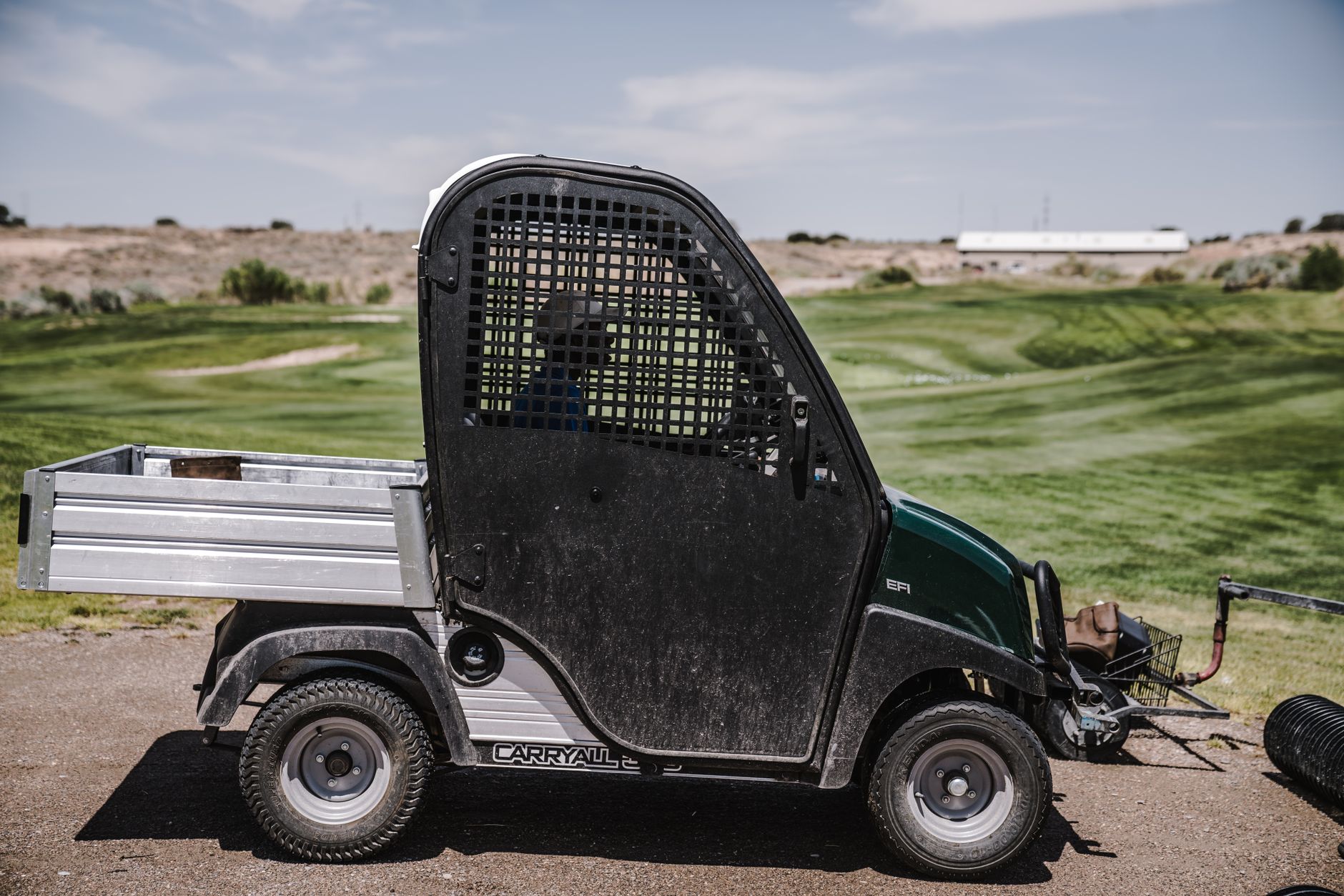
Best Utility Golf Carts for Work and Property Use
A practical guide to choosing utility golf carts for work sites, property maintenance, and commercial operations, with buying tips that help you compare features, power options, and use cases with confidence.
Read article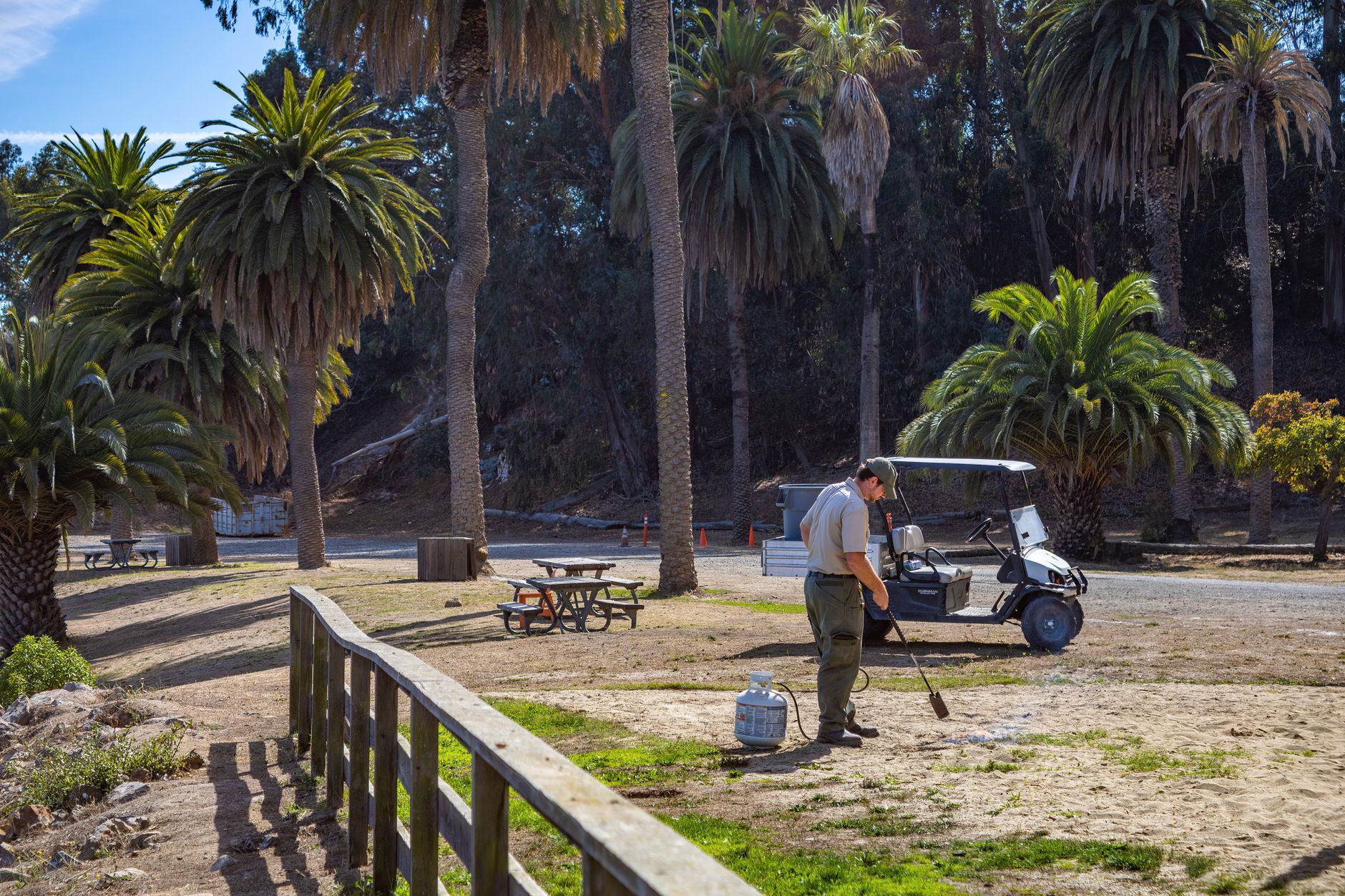
Best Golf Cart for Campground or Resort Use: A Practical Buyer Guide
A commercial buyer guide for campground, resort, and hospitality operators choosing the best golf cart for guest transport, staff mobility, and maintenance work.
Read article
Best 4 Seater Golf Cart for Family Use
A practical buyer’s guide to choosing the best 4 seater golf cart for family use, with tips on comfort, safety, range, storage, and new vs. used value for neighborhood rides and errands.
Read article
Best Golf Cart for Neighborhood Use: A Practical Buyer’s Guide
Compare personal, utility, and street-legal golf carts for neighborhood use. Learn what matters for safety, range, seating, and maintenance before you request pricing or register with Jeff Martin Auctioneers.
Read article
Electric vs Gas Golf Cart for Neighborhoods
A practical neighborhood cart comparison for buyers choosing between electric and gas golf carts for residential streets, HOA communities, and street-legal local travel.
Read article