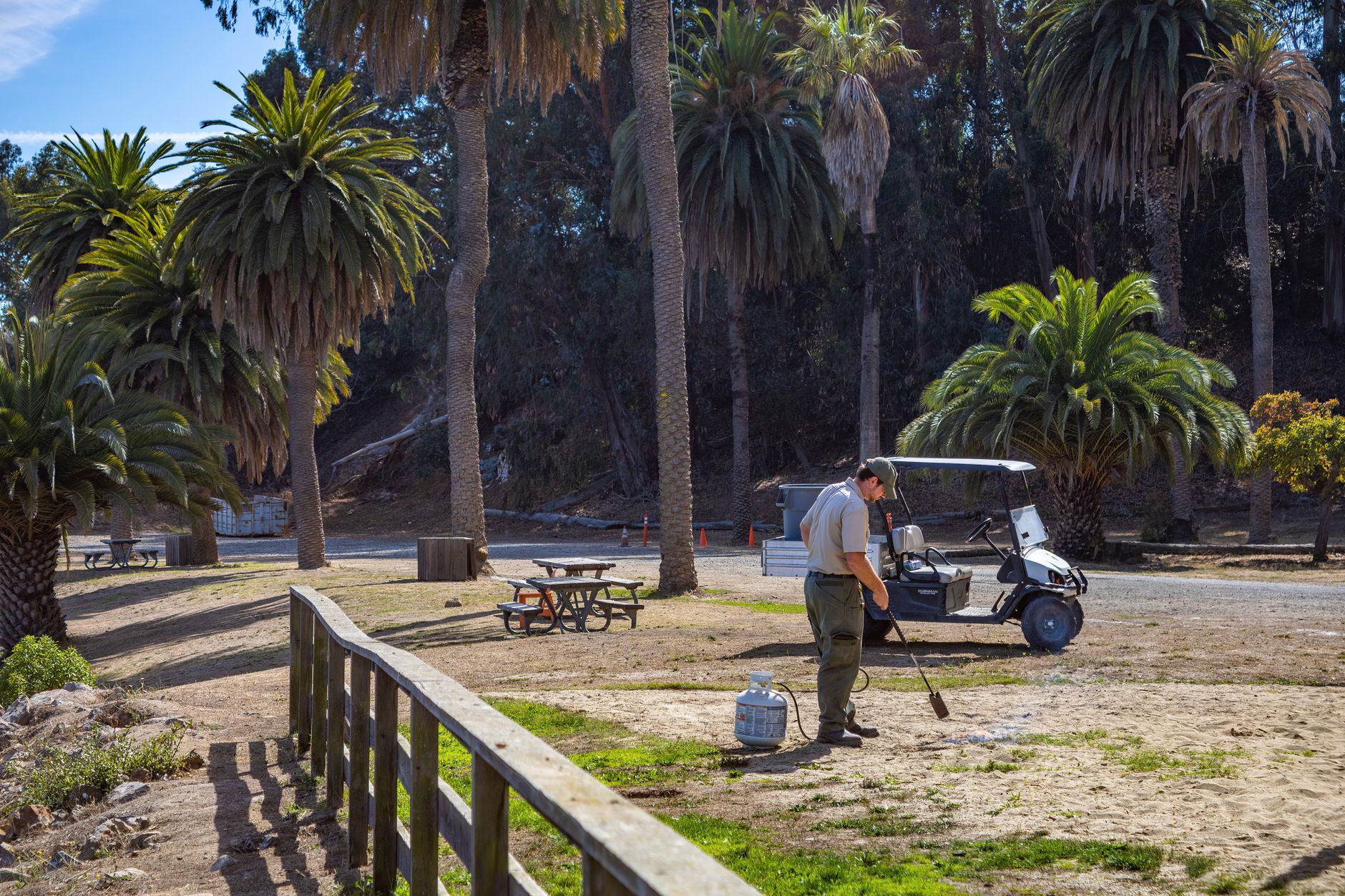
Best Golf Cart for Campground or Resort Use: A Practical Buyer Guide
A commercial buyer guide for campground, resort, and hospitality operators choosing the best golf cart for guest transport, staff mobility, and maintenance work.
Choosing the best golf cart for campground or resort use is about more than getting from point A to point B. For hospitality operators, the right cart supports guest service, helps staff move efficiently, and keeps maintenance work on schedule without creating extra downtime.
The best choice depends on how the cart will be used. Passenger shuttles, utility runs, housekeeping support, patrol work, and fleet use all place different demands on capacity, durability, charging or fuel needs, and safety features. This resort golf cart guide walks through the key buying factors so you can narrow the field with confidence and source the right carts through Jeff Martin Auctioneers.
Why campground and resort operators need the right cart
In a hospitality setting, a golf cart is often a working vehicle first and a convenience vehicle second. Guest shuttles need comfort and easy entry. Grounds teams need payload capacity and reliable performance over uneven terrain. Housekeeping and maintenance crews need storage space and simple service access.
The wrong cart can create friction across the property. Too little seating means more trips. Too little power can slow service on hills or soft ground. And if maintenance needs are high, the cart can become a daily problem instead of a dependable tool.
Key buying factors to compare before you buy
Start with how many people or how much gear the cart must move in a typical day. Passenger capacity matters for guest shuttles and patrol use, while payload and bed space matter more for grounds and maintenance work. If the cart will carry coolers, linens, trash, tools, or supplies, weight rating and storage design should be part of the decision.
Terrain is another major factor. Flat, paved resort paths are very different from wooded campground roads, gravel lanes, or hilly service areas. Battery-powered carts may be a strong fit for quiet guest transport, while gas-powered carts can be useful where longer run times, faster refueling, or more demanding terrain are priorities. Street-legal needs also matter if the cart must travel on public roads, cross streets, or meet community rules. In those cases, look for lighting, mirrors, seat belts, turn signals, and other equipment that supports compliant use.
- Passenger capacity: 2, 4, 6, or more seats depending on guest and staff use
- Payload and storage: enough room for gear, bags, housekeeping items, or maintenance tools
- Terrain and distance: flat resort paths, campground roads, hills, or mixed surfaces
- Power source: battery for quiet operation, gas for longer shifts and fast refueling
- Street-legal requirements: lighting, mirrors, belts, and other road-use features
- Uptime and maintenance: how easy it is to service, charge, or refuel each unit
Best golf cart types for campground or resort use
Passenger carts are usually the best fit when the main job is moving guests. They are common in resorts, event properties, and larger campgrounds where comfort and simplicity matter. A 4-passenger cart can handle routine guest transport, while a 6-passenger option may be better for families, groups, or shuttle-style service.
Utility carts are the better choice when the property needs to move equipment more often than people. These carts often include cargo beds, rear dump beds, or box-style storage and are well suited for groundskeeping, housekeeping support, and maintenance runs. Fleet-style carts sit somewhere in between and are often selected when operators need several similar units for patrol, transportation, and light-duty work across a large site.
- Passenger carts: best for guest transport, check-in shuttles, and patrol
- Utility carts: best for grounds crews, housekeeping, and supply runs
- Fleet carts: best for standardized multi-unit use across a property or group of properties
- Street-legal carts: best when roads, crossings, or local rules require additional safety equipment
Feature checklist for hospitality use
Hospitality carts need to support guests and staff without feeling improvised. Comfortable seating, stable handling, and easy entry help with guest satisfaction. On the operational side, look for enough storage for keys, radios, linens, bags, tools, or service items so crews can work efficiently.
Safety and visibility should not be overlooked. Lighting, mirrors, horns, turn signals, windshield options, and weather protection can improve both guest experience and operational reliability. For many properties, simple maintenance is just as important as comfort. Carts with easy service access, common parts, and straightforward charging or fueling routines are usually easier to keep in rotation.
- Seating that matches guest and staff use without overcrowding
- Storage for tools, supplies, luggage, or housekeeping items
- Headlights, taillights, mirrors, and signaling equipment where needed
- Weather protection such as tops, enclosures, or windshields
- Safe entry and exit for guests of different ages and mobility levels
- Easy maintenance access for charging, fueling, inspections, and repairs
Campground vs resort buying scenarios
Campgrounds often need carts that can handle mixed terrain, frequent short trips, and light hauling. That makes utility carts and rugged passenger carts especially attractive. If the property has hills, gravel roads, or dispersed sites, durability and battery or fuel range become more important than premium finishes.
Resorts usually place more weight on guest experience. Smooth ride quality, quiet operation, and attractive presentation matter because carts are often visible to guests throughout the day. A well-equipped passenger cart may be the best fit for front-of-house transport, while utility carts handle behind-the-scenes work. Larger properties may also need patrol units or street-legal carts if staff must move along public access roads or neighborhood connections.
- Campgrounds: prioritize terrain handling, durability, and cargo versatility
- Resorts: prioritize guest comfort, appearance, and quiet operation
- Housekeeping: prioritize storage, easy access, and frequent-stop efficiency
- Grounds crews: prioritize payload, rugged tires, and service simplicity
- Patrol or security: prioritize visibility, lighting, and street-legal features where required
New vs used vs fleet-purchased carts
New carts may make sense when a property wants standardized equipment, known condition, and a predictable configuration. They can also reduce uncertainty around wear and service needs. The tradeoff is usually higher upfront cost, which may be harder to justify if the fleet needs to scale quickly.
Used carts can offer more flexibility and faster access to inventory, especially when a buyer needs multiple units at once. The key is to inspect condition carefully and understand the service history. Fleet-purchased carts from marketplaces or auction channels can be a strong option for buyers who want value and variety, provided they review condition reports, equipment details, and replacement needs before bidding or buying.
- New carts: best for standardization, planning, and lower uncertainty
- Used carts: best when budget, availability, or volume matter more
- Fleet-purchased carts: best when sourcing multiple units for a property or portfolio
- Auction or marketplace buys: best when you can evaluate condition and act quickly
How to evaluate suppliers and listings
When comparing listings, look beyond the headline description. Ask for condition reports, battery or engine details, tire and brake condition, charger or fuel system information, and any known repair needs. For hospitality buyers, uptime matters, so the cart should be as close as possible to service-ready when it arrives.
If you are sourcing more than one cart, supplier support becomes even more important. You want a partner that can help you compare options, review available inventory, and coordinate a multi-unit purchase without making the process complicated. Jeff Martin Auctioneers supports buyers who need that kind of hands-on marketplace guidance for campground and resort fleets.
- Review condition reports and photos carefully
- Confirm power source, age, and major component status
- Ask about charging equipment, keys, accessories, and included features
- Check whether the listing is suitable for one unit or a full fleet order
- Work with a seller or marketplace that can help compare similar carts efficiently
Choosing the right cart for your operation
The best golf cart for campground or resort use is the one that fits your actual operating needs. A guest shuttle, a grounds cart, and a housekeeping unit may all look similar at first glance, but their daily demands are very different. The more clearly you define the job, the easier it becomes to choose the right seat count, power source, storage setup, and safety features.
If you are buying for a property, a group of properties, or a resale program, it helps to view carts as part of an operational system rather than a single purchase. The right fleet mix can improve service, reduce staff strain, and support a better guest experience throughout the season.
Frequently asked questions
The best cart depends on the job. Passenger carts are usually best for guest transport, utility carts work best for maintenance and housekeeping, and fleet-style carts are useful when you need a standardized mix of units across a property.
Next step
Need carts for a campground, resort, or hospitality fleet?
Register with Jeff Martin Auctioneers to request help sourcing the right carts, review current inventory, and explore auction or marketplace opportunities for guest transport, utility work, and fleet use. If you need multiple units, our team can help you compare options and move quickly on the right fit.
Register for Inventory Help