
Street Legal Golf Carts in Texas
A practical Texas guide to street-legal golf carts, including common equipment requirements, where they can be driven, and how buyers can compare compliant carts with confidence.
If you are comparing street legal golf carts in Texas, the first step is understanding that not every cart qualifies for road use. In Texas, the terms “golf cart” and “low-speed vehicle” are often used interchangeably in casual conversation, but the rules are not the same.
This guide breaks down the practical differences, the equipment buyers usually need, and the kinds of roads and communities where these carts make sense. If you are shopping for inventory now, you can also join the buyer registration list to get connected with available carts through Jeff Martin Auctioneers.
What makes a golf cart street legal in Texas?
In Texas, a cart is considered street legal only when it meets the state and local requirements for the type of road it will be driven on. That usually means more than just adding lights or mirrors. Buyers need to confirm whether they are looking at a standard golf cart that may be limited to certain roads, or a low-speed vehicle that is built and equipped for broader street use.
For most shoppers, the safest approach is to ask what the cart is titled or classified as before they buy. That one detail affects how the vehicle can be registered, where it can be driven, and what equipment it must have. If you are still learning the difference between cart types, our guide to street legal golf cart requirements is a helpful next step.
Texas rules, equipment, and where you can drive
Texas rules can vary by municipality, county, and the specific type of street or roadway. In many areas, a golf cart may be used on certain roads with lower speed limits, especially in neighborhoods, master-planned communities, resorts, campuses, and approved local zones. However, highway use is generally not the same as neighborhood use, and buyers should not assume a cart is legal everywhere just because it is equipped with lights.
Because local rules matter, it is smart to check the roads you actually plan to use. That is especially important for property managers, communities, and businesses that want carts for transportation between buildings, parking areas, or maintenance routes. If you need help locating suitable inventory, start with current cart listings and compare vehicles by intended use rather than by appearance alone.
- Verify whether the cart is a golf cart or a low-speed vehicle.
- Check the city or county rules for the exact roads you plan to use.
- Confirm that the cart matches the speed, title, and equipment rules for that use.
- Make sure insurance, registration, and local permits are handled before road use.
Required safety features and registration basics
Street-legal operation usually depends on having the right safety equipment installed and documented. In practice, buyers often look for headlamps, taillamps, brake lights, turn signals, reflectors, mirrors, a windshield, a horn, and seat belts when those features are required for the vehicle type. Some carts may also need a slow-moving vehicle emblem or other markings depending on how they are classified.
Registration and titling can also be different for a golf cart versus a low-speed vehicle, which is why buyers should confirm paperwork before closing a deal. If you are comparing carts for a neighborhood, business, or fleet use case, reviewing the vehicle documentation early can save time later. For a deeper look at that process, see our article on street legal golf cart registration.
- Ask for title, bill of sale, or ownership documents before purchase.
- Confirm whether the cart is already registered or still needs paperwork.
- Inspect lights, mirrors, brakes, tires, and steering for visible wear.
- Match the cart’s equipment to the roads and use case you have in mind.
Golf cart vs. low-speed vehicle: what buyers should know
This is one of the most common points of confusion for Texas buyers. A standard golf cart is typically designed for short trips in controlled areas, while a low-speed vehicle is usually built to meet more specific road-use standards. That difference affects top speed, required safety features, and how the vehicle may be used on public streets.
If you only need a cart for a community, campus, resort, industrial site, or private roadway, a standard golf cart may be enough. If your use case includes more public-road driving, you may need a vehicle that is classified and equipped differently. Buyers should also think ahead about maintenance access, battery care, passenger capacity, and cargo needs before they choose one model over another.
Best uses for street-legal carts in Texas communities and businesses
Sellers can also benefit from knowing how buyers evaluate these carts. Clear photos, accurate classification, service history, and honest notes about equipment make listings more useful and easier to move. If you are planning to sell multiple carts, presenting them with proper details can attract better-qualified interest from buyers who already know what Texas use requires.
- Neighborhood transportation
- Campus and property shuttle routes
- Maintenance and grounds crews
- Event and hospitality operations
- Light-duty fleet movement
How to shop for a compliant cart with confidence
If you are comparing multiple options, pay attention to how the cart was maintained, whether upgrades were professionally installed, and whether replacement parts are easy to source. A cart that is easier to service can be a better long-term buy than one with flashy extras but unclear history. For shoppers who are still deciding between categories, our sibling guide on street legal golf cart modifications can help you separate useful upgrades from unnecessary add-ons.
Register to buy, sell, or compare inventory with Jeff Martin Auctioneers
If you are ready to act on street legal golf carts in Texas, Jeff Martin Auctioneers is here to help you compare inventory, ask the right questions, and connect with the right carts for your project, property, or fleet. Whether you are buying one cart or planning a larger purchase, a simple registration step can make the next conversation faster and more productive.
Use the buyer registration path to get started, or reach out if you are listing carts for sale and want to connect with qualified interest. The goal is to keep the process clear, practical, and easy to move forward.
- Register to buy and receive relevant inventory updates.
- Ask for help comparing carts by compliance and intended use.
- Reach out early if you are sourcing multiple carts for a team or property.
- Use direct contact when you need support with buying or selling decisions.
Frequently asked questions
Sometimes, but only under the right conditions. Whether a cart can be driven on a public road depends on its classification, equipment, and local rules. A neighborhood or community may allow limited cart use where a highway or busier street would not.
Next step
Ready to compare street-legal carts with confidence?
Register with Jeff Martin Auctioneers to browse available inventory, ask compliance questions, and move forward on the right cart for your property, community, or fleet.
Register to BuyKeep reading
Related articles

Street Legal Golf Carts in Florida: What Buyers Need to Know
A practical Florida guide to street legal golf carts, including what makes them compliant, how they differ from standard carts, where they’re commonly used, and what to check before you buy.
Read article
Best Street Legal Golf Carts
A practical buyer’s guide to the best street legal golf carts, including what makes a cart road-ready, which features matter most, and how to compare electric, gas, lifted, and utility-focused models before you buy.
Read article
Street Legal Golf Cart Registration: What Buyers Need to Know
Learn what street legal golf cart registration means, how requirements vary by state and municipality, and the steps buyers should follow before driving on public roads.
Read article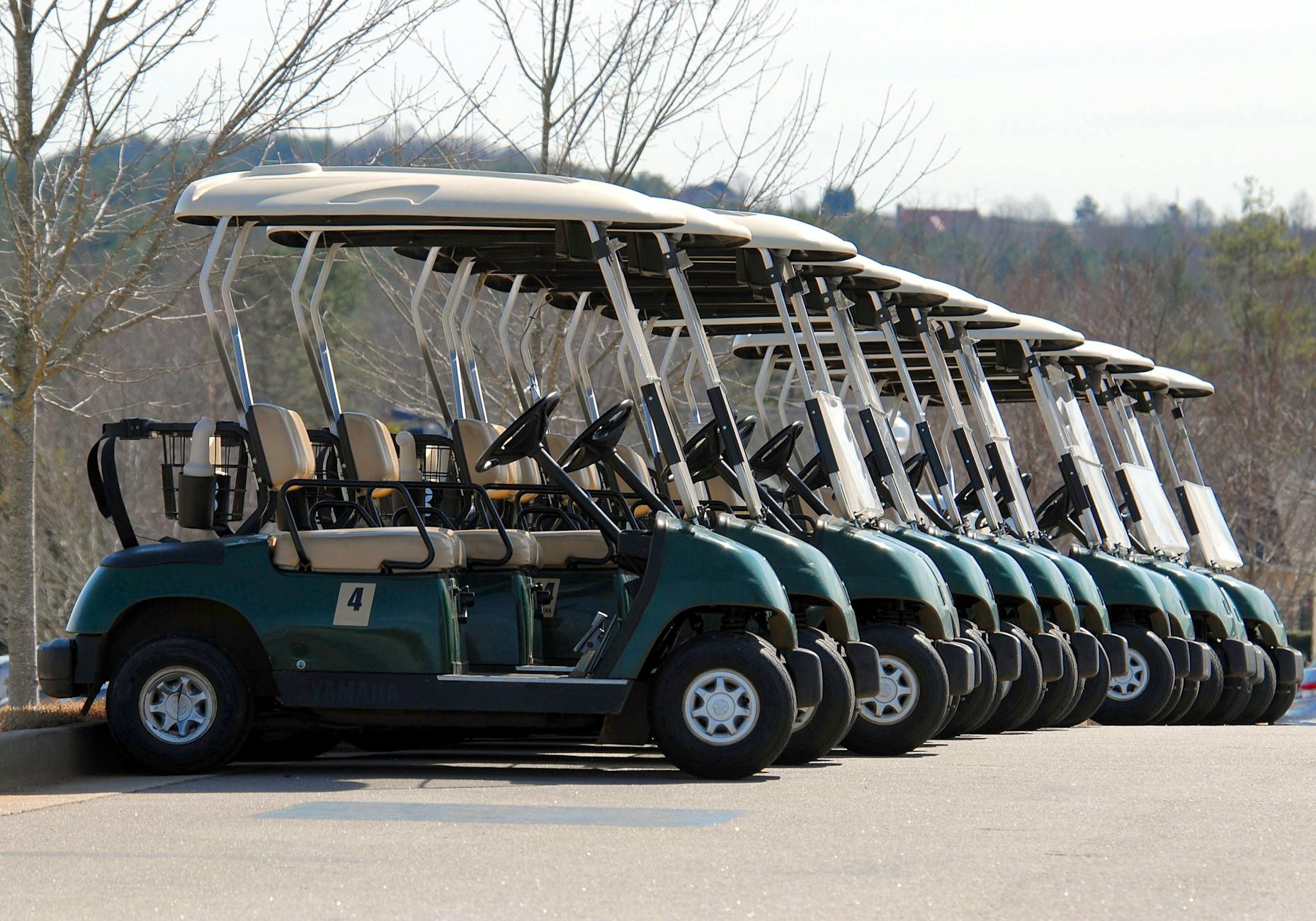
Street Legal Golf Cart Modifications: What You Need to Know Before You Buy
A practical guide to street legal golf cart modifications, including the safety equipment, road-use upgrades, and state-by-state rules buyers should check before they purchase or list a cart.
Read article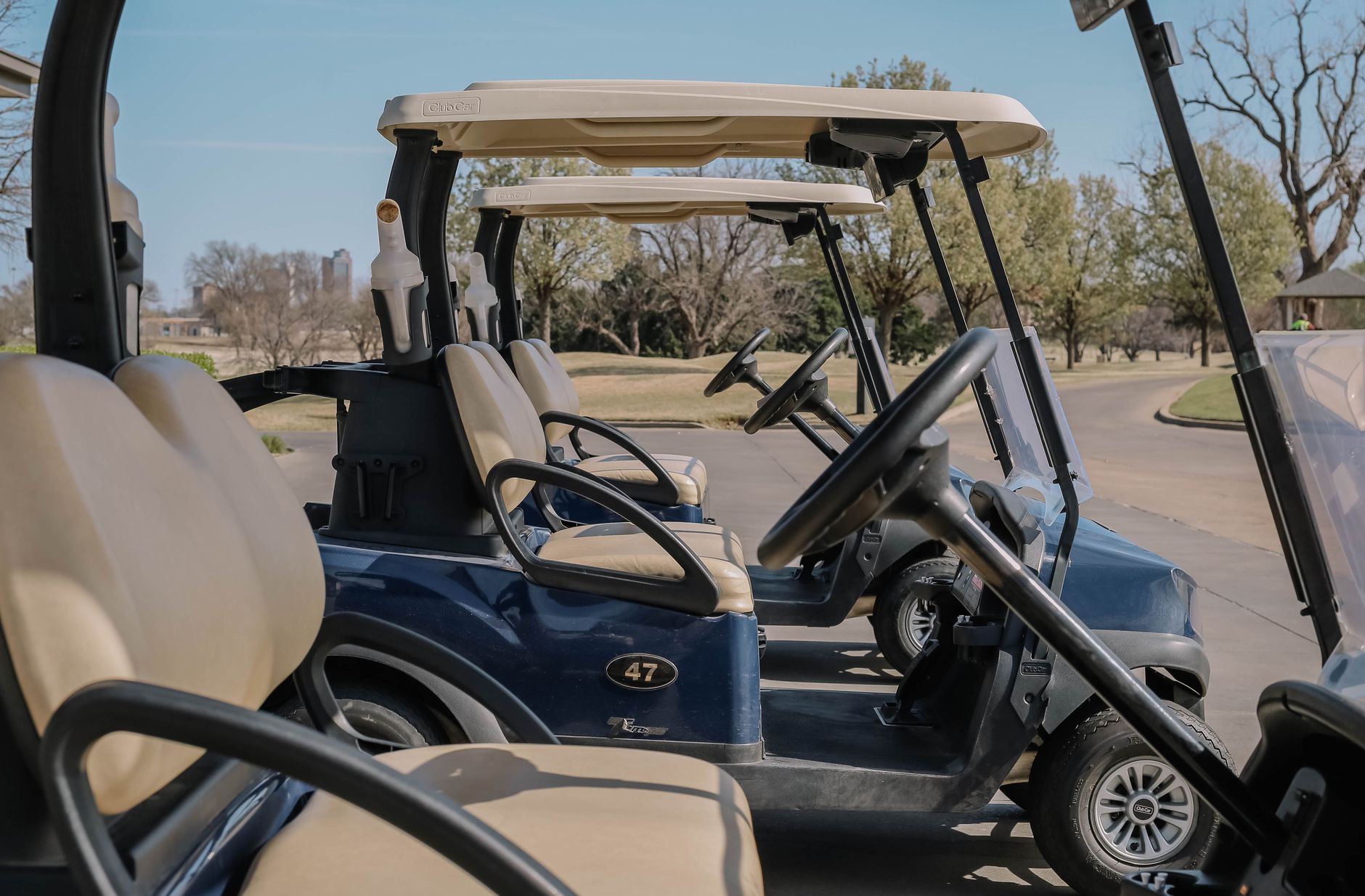
Street Legal Golf Cart Requirements
Learn the street legal golf cart requirements buyers should check before they modify or purchase a cart. This practical guide explains common equipment, registration, insurance, and why state and local rules matter.
Read article