
Street Legal Golf Carts in Florida: What Buyers Need to Know
A practical Florida guide to street legal golf carts, including what makes them compliant, how they differ from standard carts, where they’re commonly used, and what to check before you buy.
If you are shopping for street legal golf carts in Florida, the first step is understanding that not every golf cart can be driven on public roads. Florida allows certain carts and low-speed vehicles to operate in defined areas, but the rules depend on equipment, speed capability, and local road access.
This guide breaks down the basics in plain language so buyers, sellers, and property managers can compare options with more confidence. If you are ready to browse available inventory or get help sourcing the right unit, you can register to buy through Jeff Martin Auctioneers and start from a trusted marketplace built for simple, transparent cart shopping.
What Makes a Golf Cart Street Legal in Florida?
In Florida, a golf cart is not automatically street legal just because it has headlights or seat belts. A cart must fit the state’s rules for how it is classified and where it can be operated. In many cases, that means the cart is actually a low-speed vehicle, or LSV, rather than a standard golf cart.
For buyers, the key is to verify the cart’s classification before assuming it can travel on neighborhood roads, community streets, or other public routes. If you want a deeper breakdown of the basics, read our guide on what separates a compliant cart from a standard one.
- Check the vehicle classification on the title or seller documents.
- Confirm where the cart is allowed to operate.
- Ask whether the cart is set up for road use, not just course or property use.
Key equipment and safety requirements to look for
Street legal carts and LSVs usually need more than cosmetic upgrades. Buyers should look for safety and road-use equipment that supports compliance, such as lights, mirrors, reflectors, a windshield, and a horn. Depending on the vehicle and how it is titled, there may be additional requirements to confirm before purchase.
It also helps to inspect the cart’s condition as carefully as you would any used vehicle. Equipment that is missing, damaged, or poorly installed can create extra cost after the sale. Our street legal golf cart requirements guide is a useful companion if you want a checklist before you bid or buy.
Golf Cart vs. Low-Speed Vehicle in Florida
This is one of the most important distinctions for Florida buyers. A standard golf cart is typically built for lower-speed, limited-use travel, while an LSV is designed to meet road-use standards and operate at higher posted speed environments within legal limits. That difference affects where you can drive, what documents you may need, and how the vehicle is handled after purchase.
In practical terms, speed capability and road access should guide your choice. If you need a cart for a resort, neighborhood, campus, or managed community, think about whether a golf cart is enough or whether an LSV is the better fit. For buyers comparing options, this roundup of the best street legal golf carts can help narrow the field before you move to inventory.
How speed, road access, and registration affect your choice
Florida rules can vary by local roadway and jurisdiction, so buyers should not rely on assumptions based on what they have seen elsewhere. Some areas allow carts on designated roads, while others limit access more tightly. Registration, title, and insurance expectations may also differ depending on whether the vehicle is a golf cart or an LSV.
Before you buy, confirm how the cart will be used day to day. That means checking neighborhood policies, municipal rules, and whether the cart will need to be registered for road use. If your goal is to move quickly from research to action, the best next step is to browse current cart inventory and compare units that already fit your use case.
Where Street Legal Golf Carts Are Commonly Used
Street legal carts are especially useful in communities where short trips are common and vehicle access is controlled. You will often see them in residential neighborhoods, retirement communities, resorts, campuses, marinas, and planned developments that support cart-friendly travel.
They can also work well for businesses and property teams that need a practical vehicle for moving people or tools across a managed site. For example, a facility or community manager may want a cart that handles routine transport without the size and cost of a full truck. In these situations, the right cart is less about style and more about fit, compliance, and durability.
What to Check Before You Buy a Street Legal Cart
A good Florida purchase starts with the right questions. Before you commit, verify the cart’s title status, whether it is truly street legal or only modified to look that way, and what equipment comes with it. You should also review battery condition, tires, brakes, and overall maintenance history if those details are available.
Ask where the cart was used, who serviced it, and whether the seller can explain any upgrades or missing components. If you are buying for a neighborhood, business, or fleet, make sure the cart matches the task rather than just the listing description. Buyers who want direct help can contact Jeff Martin Auctioneers to ask about inventory, fit, and sourcing options before they make a decision.
How Jeff Martin Auctioneers Helps Buyers and Sellers Move Carts
Jeff Martin Auctioneers gives buyers a straightforward way to compare golf carts, LSVs, and utility-ready units in one place. That matters when you are trying to source a cart that meets Florida use requirements without wasting time on listings that do not fit. The marketplace approach also helps sellers and dealers reach qualified buyers who are actively looking for the right kind of cart.
If you are selling multiple units, moving fleet inventory, or trying to find a better match for a community or property need, Jeff Martin Auctioneers can help simplify the process. Buyers can register, sellers can list with intent, and decision-makers can focus on the carts that fit their road-use and operational needs.
Frequently asked questions
Sometimes, but only in limited cases and usually only on roads or areas where local rules allow it. A standard golf cart is not the same as a street legal LSV, so buyers should confirm the vehicle class, equipment, and local road access before assuming it can be driven on public streets.
Next step
Ready to find the right street legal cart?
Browse inventory, compare options, and register your interest through Jeff Martin Auctioneers. Whether you are buying, selling, or sourcing carts for a property or fleet, Jeff Martin Auctioneers helps keep the process clear and practical.
Register to BuyKeep reading
Related articles

Street Legal Golf Carts in Texas
A practical Texas guide to street-legal golf carts, including common equipment requirements, where they can be driven, and how buyers can compare compliant carts with confidence.
Read article
Best Street Legal Golf Carts
A practical buyer’s guide to the best street legal golf carts, including what makes a cart road-ready, which features matter most, and how to compare electric, gas, lifted, and utility-focused models before you buy.
Read article
Street Legal Golf Cart Registration: What Buyers Need to Know
Learn what street legal golf cart registration means, how requirements vary by state and municipality, and the steps buyers should follow before driving on public roads.
Read article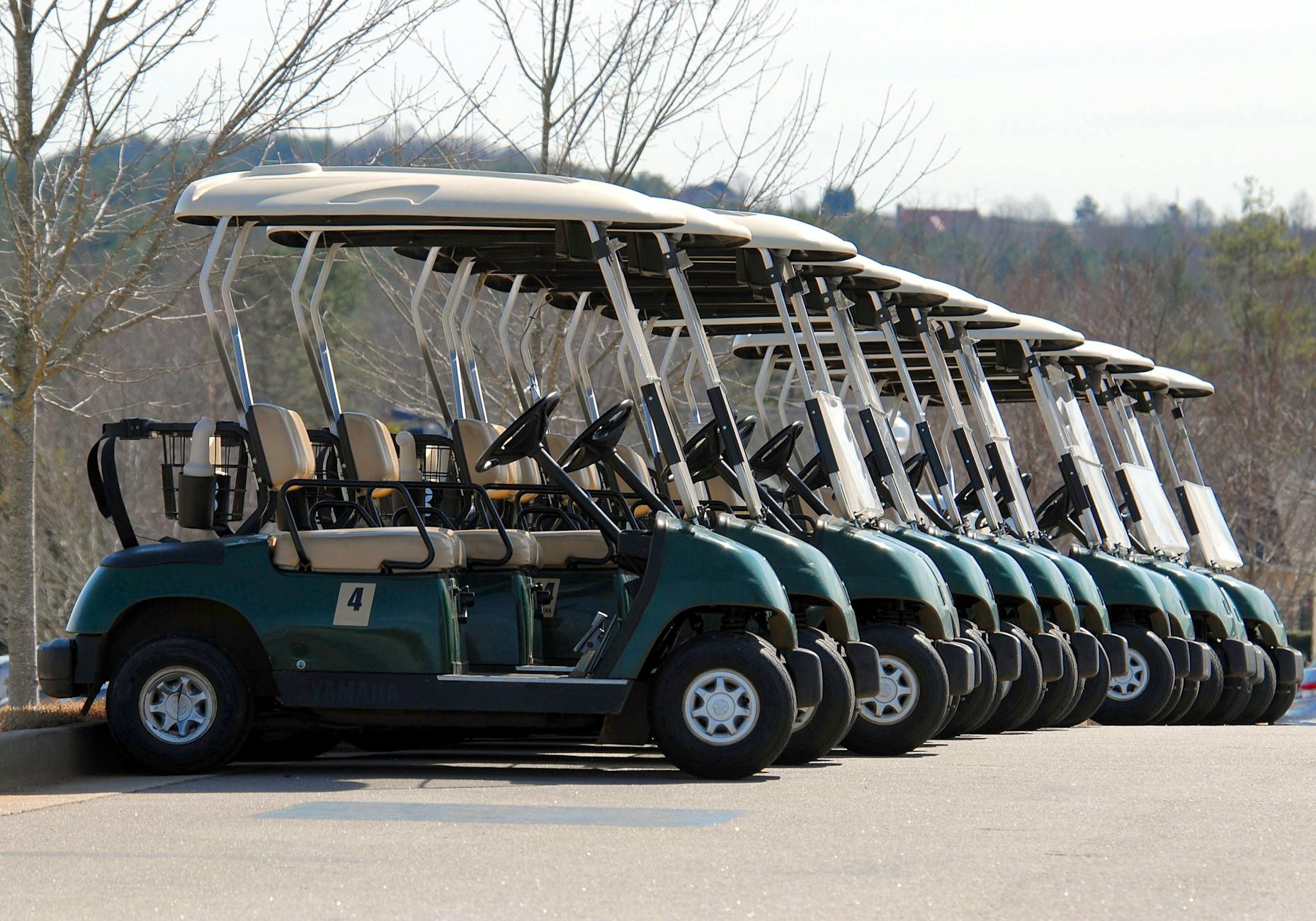
Street Legal Golf Cart Modifications: What You Need to Know Before You Buy
A practical guide to street legal golf cart modifications, including the safety equipment, road-use upgrades, and state-by-state rules buyers should check before they purchase or list a cart.
Read article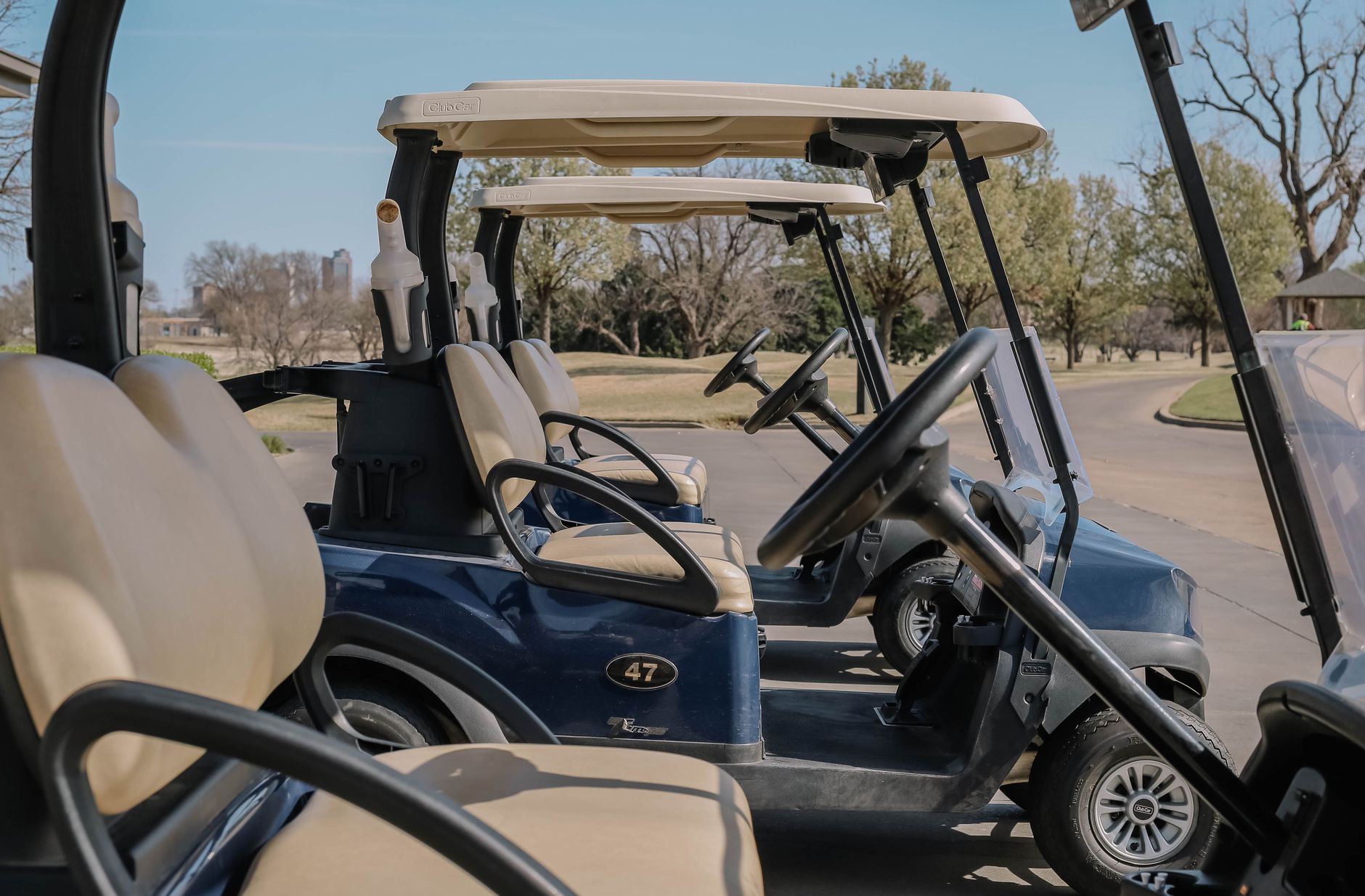
Street Legal Golf Cart Requirements
Learn the street legal golf cart requirements buyers should check before they modify or purchase a cart. This practical guide explains common equipment, registration, insurance, and why state and local rules matter.
Read article