
Can You Drive a Golf Cart on Public Roads?
Learn when golf carts can be driven on public roads, what makes them street legal, and what buyers should check for registration, insurance, and local compliance. Jeff Martin Auctioneers helps buyers, sellers, and businesses compare the right carts with confidence.
Can you drive a golf cart on public roads? Sometimes, but not everywhere. The answer depends on state law, city or county rules, road speed limits, and whether the cart is set up and approved for street use.
For buyers, sellers, and property managers, the key is knowing the difference between a basic golf cart and a street-legal unit. If you are comparing options, browsing current cart inventory or starting a buyer registration can help you narrow the right fit faster.
The short answer: sometimes, but it depends on local law
In many places, a golf cart can be driven on public roads only under specific conditions. Some communities allow them on designated streets, while others restrict them to private property or golf course paths.
Before you assume a cart is road-ready, check your state’s vehicle rules, local ordinances, and any neighborhood or HOA policies. For a broader legal overview, see our guide to street legal golf cart registration requirements.
What makes a golf cart street legal?
A street-legal golf cart is usually one that meets a defined set of equipment and operating requirements for low-speed public-road use. Those rules vary, but the goal is the same: make the cart visible, controllable, and safe enough for the roads where it is allowed.
If you are shopping for a compliant unit, Jeff Martin Auctioneers can help you compare carts with the right setup before you buy or list one for sale.
- Headlights and taillights
- Brake lights and turn signals
- Side mirrors and rearview mirror
- Windshield
- Seat belts, where required
- Reflectors and a visible slow-moving vehicle emblem
- Parking brake and horn
Common equipment requirements for public-road use
Most jurisdictions that allow golf carts on public roads require basic safety equipment. That often includes lights, mirrors, a windshield, turn signals, and other features that make the cart visible and predictable in traffic.
Some areas also require tires rated for street use, a vehicle identification number, and a maximum speed range that fits local low-speed vehicle rules. If you are buying for a community or business, confirm those details before you commit so the cart can be used as intended.
Registration, insurance, and licensing rules to check
In many places, road use means more than equipment. You may also need registration, insurance, a license plate or permit, and a licensed driver. Some states treat golf carts differently from low-speed vehicles, which changes the paperwork and where the cart can operate.
If insurance is part of your buying decision, review street legal golf cart insurance basics before you move forward. It can help you avoid surprises when you are planning use on public roads.
- Check whether the cart must be titled or registered
- Ask whether insurance is required for road use
- Confirm minimum driver age and license requirements
- Look for local limits on road type and speed
- Verify whether night driving is allowed
Where golf carts are typically allowed on public roads
Golf carts are most often allowed on low-speed roads, neighborhood streets, resort areas, planned communities, and special-use districts that have local approval. In some places, they may cross a public road at a designated point or travel only on certain routes.
Rules can also change by time of day, road classification, and whether the area is marked for golf cart travel. If you want help comparing options for a neighborhood, fleet, or work property, use our contact page to connect with Jeff Martin Auctioneers about current inventory and sourcing needs.
- Low-speed roads with posted limits that allow cart traffic
- Residential areas with municipal approval
- Campus, resort, or community routes
- Utility corridors or worksite paths with restricted access
- Designated crossings or limited-use road segments
Golf cart vs. low-speed vehicle: why the distinction matters
Not every road-capable cart is the same. A traditional golf cart is often limited to private property or very specific local road use. A low-speed vehicle, by contrast, usually has a clearer federal and state classification and may be built to meet more formal street-use standards.
That distinction affects safety equipment, registration, insurance, and where the vehicle can legally travel. If your needs include neighborhood transport, maintenance runs, or community use, compare the intended use before you buy so you do not end up with a cart that cannot be deployed where you need it.
Safety and compliance tips before you buy or list a cart
Before you buy, ask for photos or documentation showing the cart’s equipment, serial number, and any prior street-legal modifications. Before you list, be clear about whether the cart is street legal, utility-only, or off-road only. That honesty saves time and builds trust with serious buyers.
For sellers and dealers moving multiple units, clear descriptions matter even more. Buyers want to know whether a cart is compliant, what it needs to qualify, and whether it fits a city, campus, fleet, or private community use case. If you are ready to move inventory, start with buyer and seller connection details so Jeff Martin Auctioneers can help route the right leads.
- Confirm the exact use case: private, neighborhood, utility, or public-road
- Document installed safety equipment
- Ask whether upgrades were professionally completed
- Disclose any missing features that affect legality
- Match the cart type to the buyer’s location and intended road use
How Jeff Martin Auctioneers helps buyers and sellers find the right cart
When you are asking can you drive a golf cart on public roads, the real question is whether the cart fits the law where it will be used. Jeff Martin Auctioneers helps buyers compare street-legal, utility, and fleet carts with a practical, marketplace-first approach.
That matters for individual buyers, community managers, dealers, and sellers alike. Whether you need compliant inventory, need to move used carts online, or want to source multiple units for a property or business, Jeff Martin Auctioneers makes it easier to find carts that match your use case and your local rules.
Frequently asked questions
Usually, no. In many areas, public-road use requires registration, a permit, or both. The exact rule depends on your state and local government, so always confirm before driving on any public street.
Next step
Need help finding the right road-ready cart?
Jeff Martin Auctioneers helps buyers, sellers, and businesses compare golf carts with confidence. Register now to get connected to current inventory and sourcing support for street-legal, utility, and fleet needs.
Register with Jeff Martin AuctioneersKeep reading
Related articles

Street Legal Golf Cart Registration: What Buyers Need to Know
Learn what street legal golf cart registration means, how requirements vary by state and municipality, and the steps buyers should follow before driving on public roads.
Read article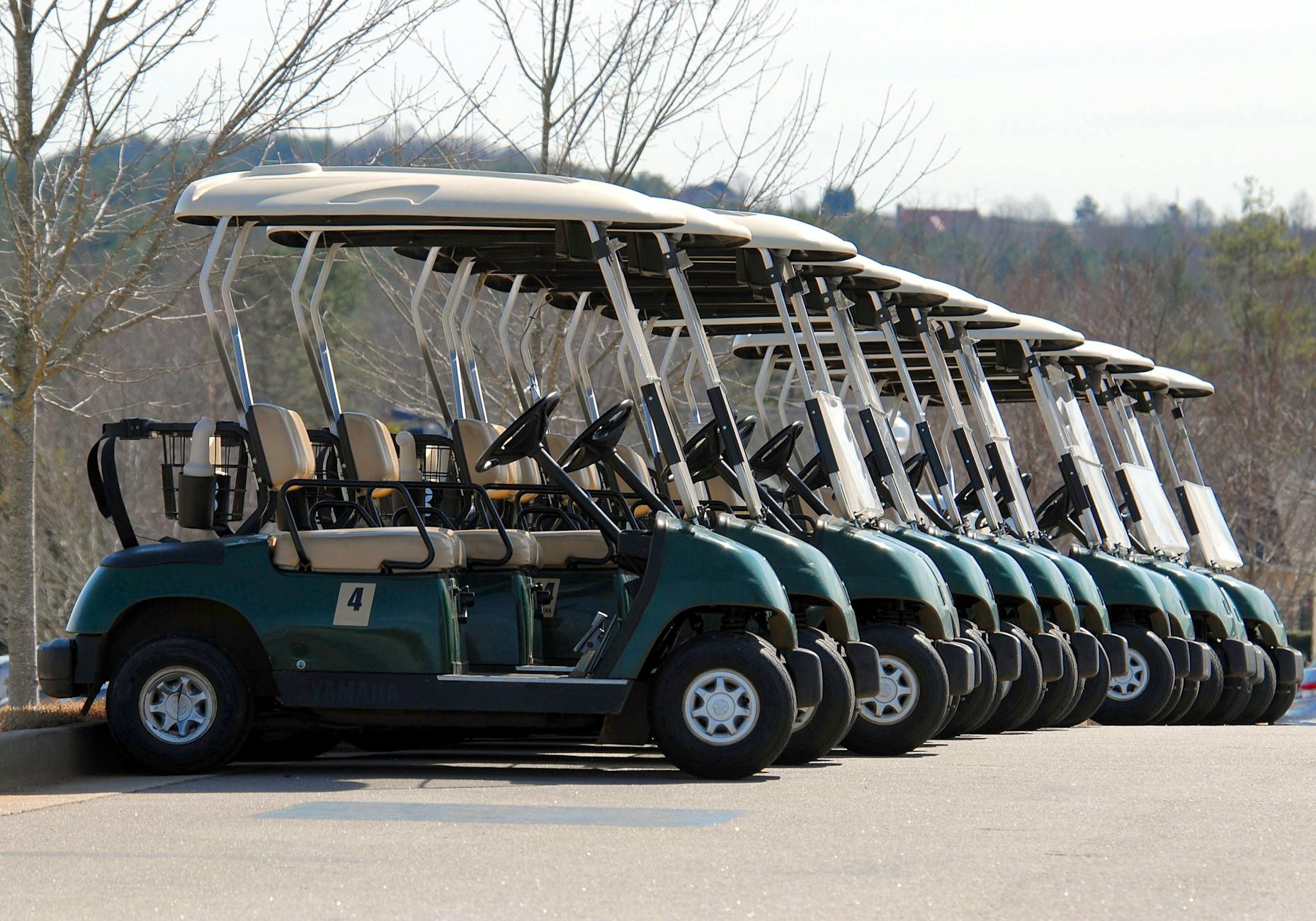
Street Legal Golf Cart Modifications: What You Need to Know Before You Buy
A practical guide to street legal golf cart modifications, including the safety equipment, road-use upgrades, and state-by-state rules buyers should check before they purchase or list a cart.
Read article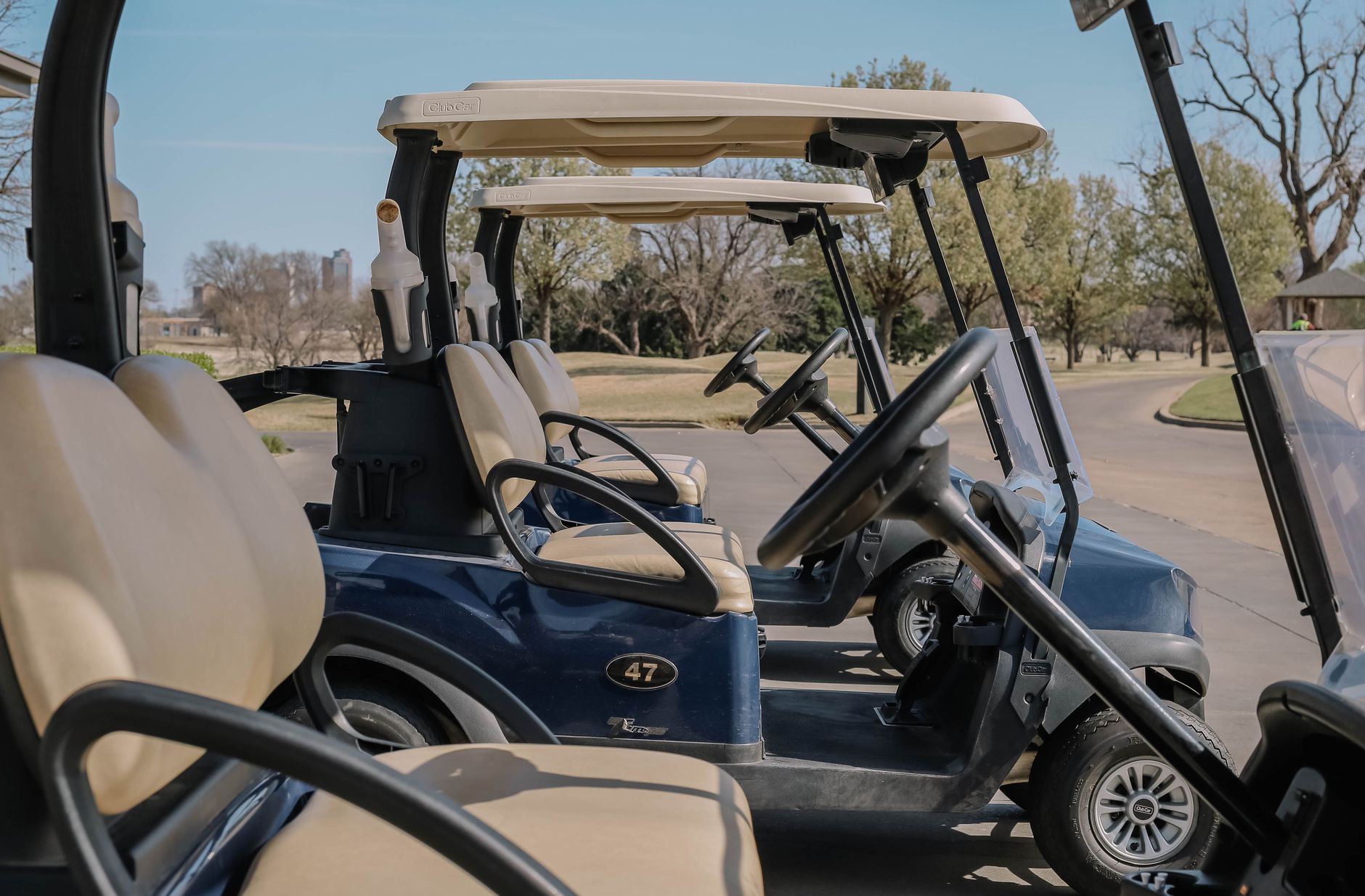
Street Legal Golf Cart Requirements
Learn the street legal golf cart requirements buyers should check before they modify or purchase a cart. This practical guide explains common equipment, registration, insurance, and why state and local rules matter.
Read articleStreet Legal Golf Cart Laws by State
A practical guide to street legal golf cart laws by state, including common equipment requirements, local rule differences, and what to check before you buy a cart for road use.
Read article
Street Legal Golf Cart Insurance: What Buyers Need to Know
Learn when street legal golf cart insurance may be required, what it typically covers, and how to compare a cart before you buy. Practical guidance for buyers checking local rules, vehicle classification, and protection before registration.
Read article