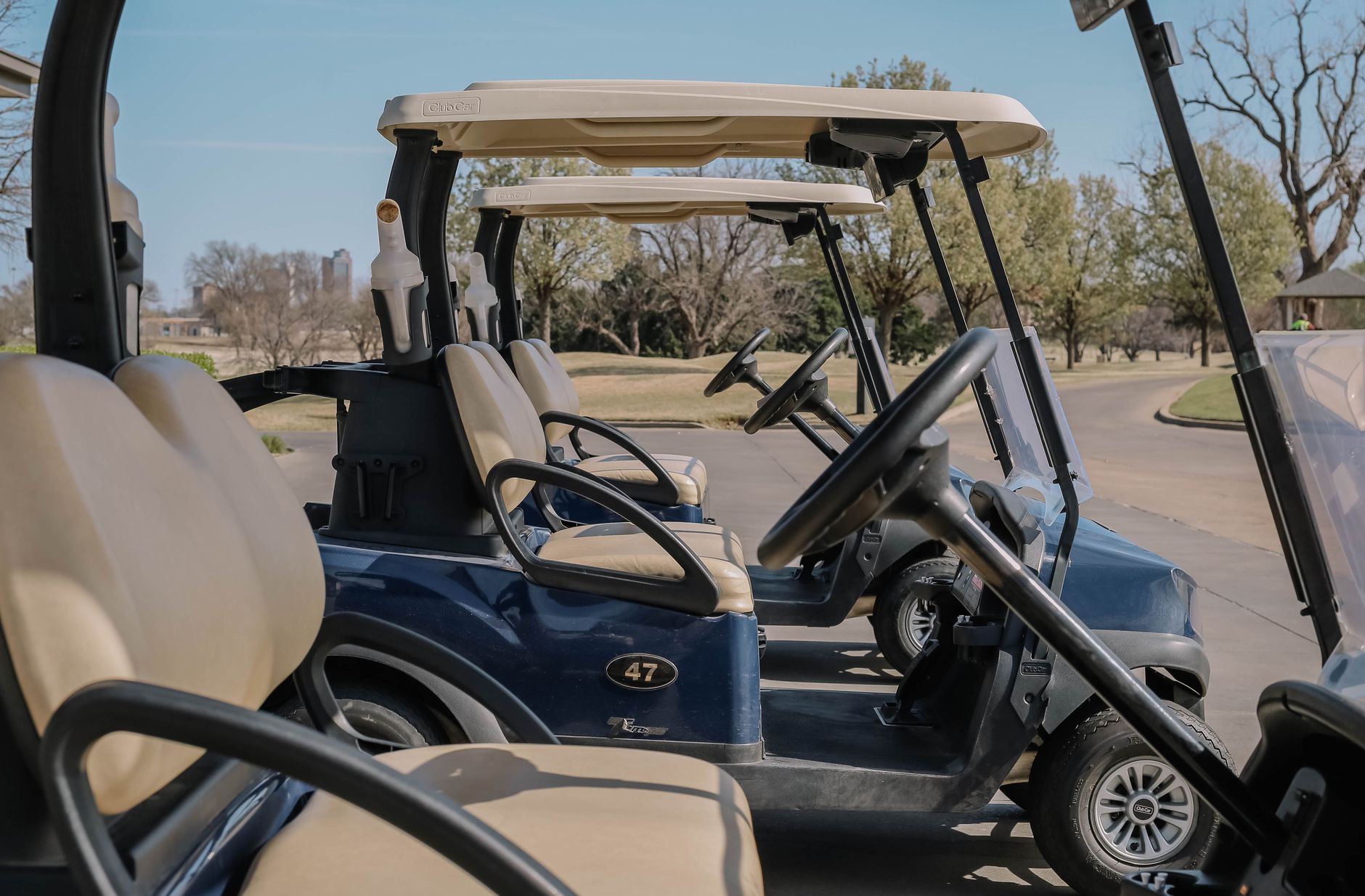
Street Legal Golf Cart Requirements
Learn the street legal golf cart requirements buyers should check before they modify or purchase a cart. This practical guide explains common equipment, registration, insurance, and why state and local rules matter.
If you are shopping for a cart that can go beyond the course, the first step is understanding the street legal golf cart requirements in your area. The rules are not the same everywhere, and what qualifies in one city may not qualify in the next county.
This guide breaks down the common equipment and paperwork buyers should look for, so you can compare carts with more confidence before you register or modify one. If you want help finding street-legal-capable inventory, start with buyer registration and connect with Jeff Martin Auctioneers through JMA Golf Carts.
What makes a golf cart street legal?
A golf cart becomes street legal when it meets the safety, equipment, and paperwork rules set by the state or local government where it will be driven. In many places, that means the cart must be able to operate safely on public roads, usually at lower-speed limits and often within specific areas or neighborhoods.
Some jurisdictions treat these vehicles as low-speed vehicles, while others have separate golf cart ordinances. That distinction matters because it can change what equipment is required, what roads are allowed, and whether registration or insurance is needed. If you are comparing options, our guide to what qualifies a cart for road use can help you understand the basics before you buy.
Common equipment required for street-legal operation
Most street legal golf cart requirements center on visibility, control, and occupant safety. The exact list depends on where you live, but buyers should expect to see a combination of lighting, signals, mirrors, tires, and protective features before a cart can be used on public streets.
A cart that already has much of the required equipment may save time and reduce the number of changes you need after purchase. For buyers comparing inventory, it helps to browse available carts with road-use capability in mind rather than assuming every model can be converted easily.
- Headlights, tail lights, and brake lights
- Turn signals and a horn
- Rearview mirror and side mirrors
- DOT-approved or street-appropriate tires where required
- Reflectors and a slow-moving vehicle emblem in some areas
Lights, mirrors, signals, and tires
Lighting is one of the most common requirements because other drivers need to see the cart clearly. Headlights, tail lights, brake lights, and turn signals are often required, especially if the cart will operate near traffic after dark or at dawn and dusk. A horn is also common because it gives the driver a way to alert pedestrians and nearby vehicles.
Mirrors are another frequent requirement. Many areas want at least one rearview mirror, and some require both side mirrors as well. Tire rules can also matter, particularly if the cart is being classified closer to a low-speed vehicle than a neighborhood-only golf cart. Buyers who want a clearer breakdown of how these rules affect ownership should also review street legal golf cart insurance considerations, since equipment and legal classification can influence coverage needs.
Seat belts, windshield, VIN, and safety features
Many street-legal setups require seat belts, especially when the cart is classified as a low-speed vehicle. A windshield is also commonly required, and in some places it must meet specific safety standards. These details matter because they are not always easy or inexpensive to add after the fact.
Some carts will also need a Vehicle Identification Number, title, or manufacturer documentation that supports registration. That documentation is often overlooked by first-time buyers, but it can determine whether the cart can be legally titled and insured. For a more practical buying view, use our buyer checklist for street-legal carts before you commit to a purchase.
- Seat belts for each required seating position
- Windshield or safety glazing where specified
- VIN or serial number documentation
- Manufacturer classification that matches local vehicle rules
- Brake performance and functional parking brake
State and local laws: why requirements vary
The biggest mistake buyers make is assuming the same cart qualifies everywhere. State laws set the baseline, but municipalities, counties, and even planned communities can add their own restrictions on roads, speed limits, hours of operation, and where carts may be driven. A cart that is legal on one side of town may not be legal on the other.
This is why local verification should happen before you buy or modify a cart. If you are shopping for a community, business, or private property use case, it is worth contacting the right local office and checking posted rules in advance. Jeff Martin Auctioneers can help you start that search with qualified leads through direct inquiry and marketplace listings that make comparison easier.
Low-speed vehicle rules vs. neighborhood golf cart rules
A low-speed vehicle, often shortened to LSV, is usually subject to stricter equipment and registration standards than a standard golf cart. LSV rules may include more complete lighting, seat belts, a windshield, mirrors, and speed capability limits. In many places, an LSV may be allowed on roads with higher posted speed limits than a neighborhood golf cart.
A neighborhood golf cart ordinance is often narrower. It may allow limited road use within a community or on specific low-speed roads, but not broader public-road access. The difference matters because a buyer should know whether they are purchasing a cart for local errands, residential travel, property maintenance, or full LSV-style use. That classification should guide every buying decision.
- LSV rules are usually more formal and equipment-heavy
- Neighborhood golf cart rules may be limited to certain roads or communities
- Speed capability and road access often determine the classification
- Paperwork and registration steps can differ by category
Registration, insurance, and title considerations
Depending on the state, a street-legal cart may need to be titled, registered, tagged, and insured before it can be driven on public roads. Some areas require proof of inspection or compliance, while others rely on a declaration or local permitting process. If the cart will be driven beyond private property, do not skip this step.
Insurance is equally important. Even when a cart is street legal, the driver may still need liability coverage or other protection based on how and where the vehicle is used. Policies can vary, so buyers should verify that the cart’s legal classification matches the intended coverage. If you are comparing street-ready inventory, begin with Jeff Martin Auctioneers buyer registration so you can connect with listings and sellers more efficiently.
How to check whether a cart qualifies before you buy
Before you buy, confirm the cart’s current setup, documents, and intended use. Ask whether it already has the required equipment, whether any upgrades were professionally installed, and whether the seller has title, VIN, or manufacturer paperwork. If the cart is being sold as street legal, ask for specifics instead of relying on the label alone.
It is also smart to check the exact roads or zones where you plan to drive it. A cart may be suitable for a resort, neighborhood, campus, or private community but not for broader road use. If you are still comparing options, this is a good time to ask for help from Jeff Martin Auctioneers through the marketplace and look at carts that are closer to your local requirements.
- Ask for documentation, not just verbal confirmation
- Match the cart to your local road-use category
- Confirm all required equipment works, not just that it is installed
- Verify any recent modifications were done to code
Find street-legal-ready carts through Jeff Martin Auctioneers
If you want a simpler way to compare carts that may already fit your road-use needs, Jeff Martin Auctioneers can help you start in the right place. JMA Golf Carts is built for practical comparison, so buyers can review inventory, evaluate condition, and look for carts that are closer to street legal readiness from the start.
Whether you are buying for a community, business, fleet, or private use, the best next step is to register and ask for help finding carts that match your local rules. A clear search process saves time and reduces the risk of buying a cart that needs more work than expected.
Frequently asked questions
No. Lights and mirrors are only part of the picture. Street legal golf cart requirements also depend on local laws, vehicle classification, paperwork, speed capability, and other safety equipment. A cart may look road-ready but still fail local rules.
Next step
Find street-legal-capable carts with Jeff Martin Auctioneers
If you are ready to compare carts that may meet your local road-use needs, register now and connect with Jeff Martin Auctioneers. Our marketplace approach makes it easier to review inventory, ask the right questions, and move toward a cart that fits your requirements.
Register to BuyKeep reading
Related articles

Street Legal Golf Cart Insurance: What Buyers Need to Know
Learn when street legal golf cart insurance may be required, what it typically covers, and how to compare a cart before you buy. Practical guidance for buyers checking local rules, vehicle classification, and protection before registration.
Read article
What Makes a Golf Cart Street Legal?
A practical guide to the equipment, compliance checks, and local rules that determine whether a golf cart can be used on public roads.
Read article
Best Street Legal Golf Carts
A practical buyer’s guide to the best street legal golf carts, including what makes a cart road-ready, which features matter most, and how to compare electric, gas, lifted, and utility-focused models before you buy.
Read article
Street Legal Golf Cart Requirements Buyer Checklist
Use this street legal golf cart requirements buyer checklist to verify the equipment, paperwork, and compliance details that matter before you buy. Learn how to compare LSV golf cart requirements, spot red flags, and ask the right questions so you can buy with more confidence.
Read article
How to Compare Golf Cart Listings Online
A practical buyer guide for comparing golf cart listings online, with a simple checklist for specs, condition, ownership history, pricing, and seller credibility. Learn how to evaluate used golf cart marketplace listings with more confidence and know when to contact Jeff Martin Auctioneers for help.
Read article